by Rabbi Avraham Kovel
by Yehudis Litvak
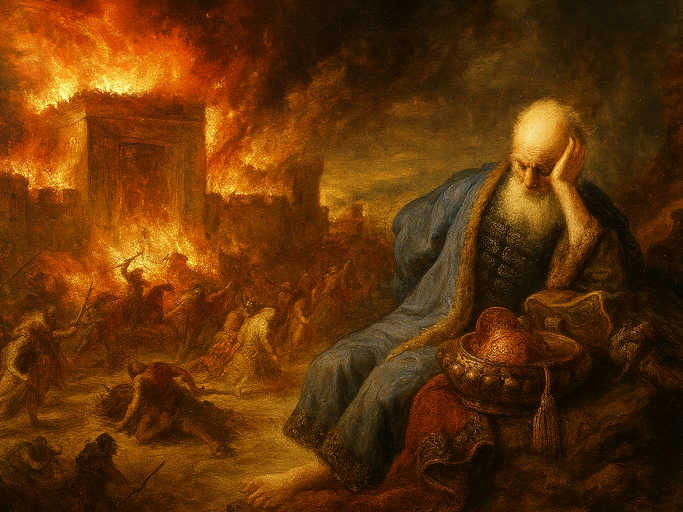
The dramatic downfall of the First Temple and the spiritual blindness that sealed the Kingdom of Judah’s fate.
by Rabbi Shraga Simmons
A comprehensive overview of the customs and meaning of the Jewish national period of mourning.
The Romans destroyed the Second Temple but they were only able to do so when civil war tore the Jewish People apart.
by Rabbi Elozor Barclay and Rabbi Yitzchok Jaeger
Special laws that apply when the Tisha B'Av observance begins on Saturday night.
by Rabbi Lord Jonathan Sacks
We remember for the future and for life.
by Rabbi Pinchas Landis
A historical overview of the holiest spot on earth.
Sara Yoheved Rigler
by Sara Yoheved Rigler
Tisha B'Av and the truth of consequences.
by Rabbi Menachem Lehrfield
Why continue mourning over the destruction of a building that happened so long ago?
by Rabbi Dr. Benji Levy
On Tisha B’Av, we don’t distract ourselves from the pain. We acknowledge, accept, and grieve, which propels us towards healing and hope.
by Hanna Perlberger
Tisha B'Av, a solemn Jewish holiday, is a reminder that joy can be found in even the darkest moments.
by Elias Neibart
In a world filled with immediacy and indulgence, the countercultural act of fasting teaches us how to temper our most immediate urges.
by Rebbetzin Tziporah Heller
The same covenant that promises suffering, promises redemption.
Every Jew is likened to a holy Temple. Let's start rebuilding by repairing our inner fragments.
by Slovie Jungreis-Wolff
From the ashes of Tisha B’Av to uncovered Nazi medical experiments, the Jewish people relentlessly endure.
by Jeff Jacoby
The bond between Judaism and Jerusalem is ancient and unbreakable, on the saddest day of the year and every other day.
by Yitz Younger
God is waiting for us to open our hearts to His love. We need to let Him in.
Beginning three weeks of mourning for the destruction of the Holy Temple in Jerusalem.
by Dr. Erica Brown
A brief overview of the three-week period of national mourning that begins this week.
by Rabbi Dovid Rosenfeld
Fasting enables us to discover what is truly important to us.
by Rabbi Aaron Goldscheider
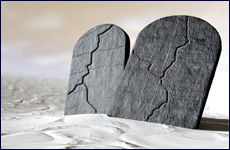
Exploring the contemporary meaning of the first tragedy that occurred on the 17th of Tammuz, the breaking of the tablets at Mt Sinai.
On the ninth day of Av, God teaches us just how painful it is when He isn’t there.
by Dr. Jill Katz
On Tisha b’Av we mourn not just a physical destruction and our broken spiritual connection, but also our psychological sufferings.
by Rabbi Boruch Leff
Raising our personal debt ceiling for tolerance and peace will bring down the spiritual debt of our nation.
Overview and laws of the Jewish national day of mourning.
by Shoshana Horowitz
After the sudden loss of my father, Tisha B'Av took on new meaning.
by Rabbi Yehuda L. Oppenheimer
Longing for a better future.
by Larry Domnitch
After Tisha B'Av, the burning of the Temple continued for another day. Its effects continue to be felt throughout Jewish history.
Tisha B'Av is a day of mourning, and minimizing physical pleasure.
by Rabbi Doniel Baron
The tragedy of Tisha B'av has its roots literally in the oldest mistake in the book.
by Aliza Bulow
How can being hungry help us create a spiritual connection?
by Avi Geller
Jeremiah describes the tragedy of the Temple's destruction. The lessons are true still today.
Overview and laws of the period leading up to Tisha B'Av.
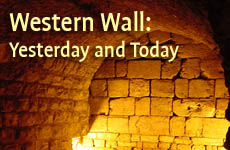
The Wall did not always look like it does today.
We avoid pictures from the Holocaust because we don't want to cry. But only tears open all the gates of heaven.
On the 9th of Av we can understand the source of the senseless hatred that caused the destruction of the Temple in Jerusalem and dedicate ourselves to "senseless love."
The Holy Temple
5 min read
Anti-Semitism & Suffering
Jewish Unity
4 min read
9 min read
Current
Human Interest
Jewlish
Podcasts
History
Holidays





























 8 Things a Non-Jew Learned about the Middle East Conflict