Cookbook author Joan Nathan suggests that cheesecake originated in the Middle East and was brought to Europe by Crusaders in the Middle Ages. Middle Eastern cooks would hang soured cream in bags to drain, forming curds that they mixed with honey, lemon peel, egg yolks, and more soured cream before baking. This method is detailed in her Jewish Holiday Cookbook (Schocken Books, 2004).
In the Middle Ages, sweet cheese-filled cakes and pies became popular across Europe, with cheesecake often considered a Jewish delicacy.
Italian Jews had their version of cheesecake called casciola, made from soft ricotta cheese mixed with eggs, sugar, and flavorings, then baked. Italian Jewish food writer Alessandra Rovati notes that by the 1600s, casciola had become popular among non-Jewish Italians as well. Traditionally served by Italian Jews on the holiday of Shavuot, casciola was also enjoyed by non-Jewish Italians during Christmas.
Cheesecakes were popular in England, often flavored with alcohol and herbs, and these versions made their way to Colonial America. However, it was German Jewish immigrants who popularized the sweet cheesecake we know today.
On the holiday of Shavuot we have a custom to eat dairy and to many that has become synonymous with eating cheesecake. Whether you go with a sweet NY cheesecake or a ricotta based Italian cheesecake the Jewish connection is clearly present.

No Bake Cheesecake with Chocolate Halva
This no-bake cheesecake features a creamy blend of cream cheese and heavy cream, layered with chocolate and pieces of halva, an Israeli sweet made from tahini. The dessert is easy to prepare, requiring refrigeration rather than baking, and offers a rich, indulgent flavor with the nutty notes of halva adding a unique twist.
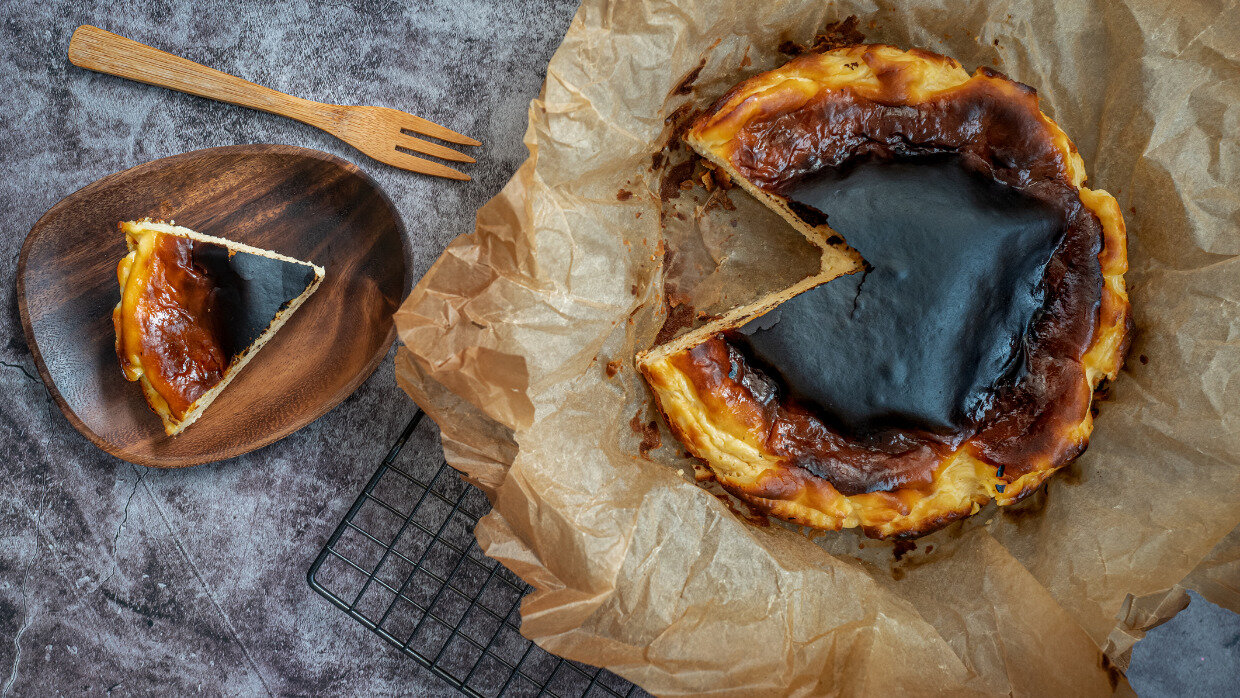
The San Sebastian Cheesecake, also known as Basque Burnt Cheesecake, is a crustless delight that bakes at a high temperature to achieve a beautifully caramelized exterior while maintaining a creamy, almost custard-like interior. This recipe highlights its simplicity, requiring minimal ingredients and delivering a rustic, rich cheesecake that’s perfect for any occasion.

Combining the traditional Middle Eastern dessert knafeh with classic cheesecake, this recipe features a layer of crunchy, buttery kataifi (shredded phyllo dough) and a creamy cheese filling. The result is a dessert with contrasting textures and a sweet syrup infused with orange blossom or rose water, enhancing its aromatic appeal.
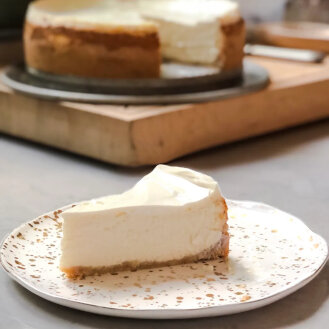
Vered Guttman's Israeli Cheesecake is a light and airy dessert made with white cheese, mixed with sugar, eggs, and vanilla. It's baked gently and often topped with sour cream for added tanginess. This cheesecake reflects the delicate flavors and textures typical of Israeli cuisine.
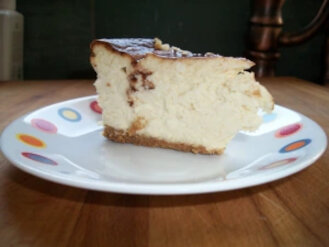
Jewish cheesecake, known for its creamy texture, has deep roots in Jewish culinary traditions. This recipe typically involves using farmer’s cheese or cottage cheese, blended with sugar, eggs, and sometimes sour cream. It’s baked to perfection and often enjoyed during Jewish holidays like Shavuot.
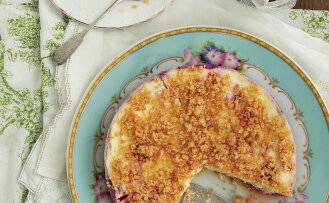
This cheesecake combines the smoothness of a classic cheesecake with the tartness of fresh raspberries and the crunch of a buttery crumble topping. The interplay of flavors and textures makes it a delightful dessert that’s both visually appealing and delicious.
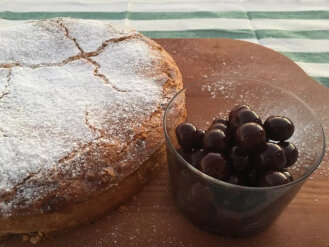
An Italian classic, this tart features a ricotta cheese filling sweetened with sugar and enriched with eggs, paired with sour cherry preserves (visciole). The combination of the creamy ricotta and the tangy cherries encased in a buttery crust makes it a beloved treat in Jewish Roman cuisine.
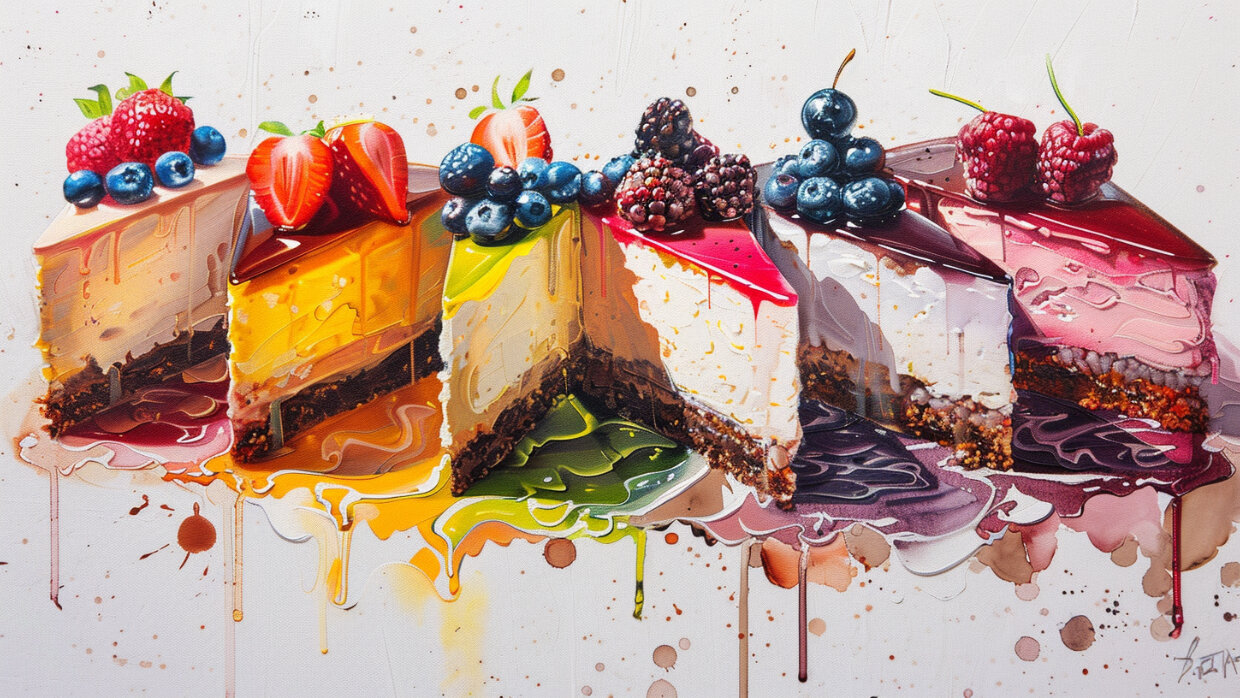
These recipes highlight the diverse and rich traditions of cheesecake across different cultures and cuisines, from no-bake and baked versions to those incorporating unique regional ingredients.