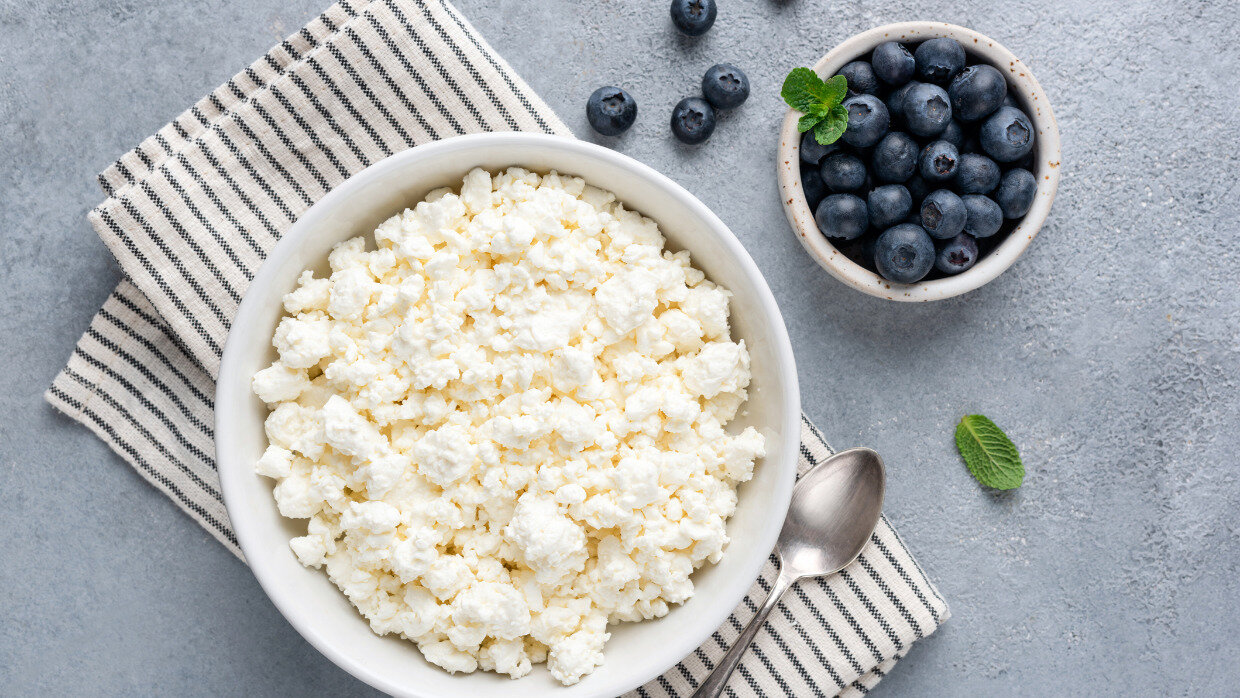
While Shavuot, the holiday marking the receiving of the Torah, features dairy foods, there's no specific cheese mandated.
For health-conscious eaters, cottage cheese shines. Once relegated to grandmothers' cantaloupes, cottage cheese is back in vogue. Gen Z, drawn to its high protein and low carb content, has embraced it. Search #cottagecheese and witness this "lumpy white stuff" transformed into smoothies, ice cream, and even pizza crust!
View this post on Instagram
Unlike many fleeting food trends, cottage cheese offers a smart and healthy choice. It's packed with calcium, vitamin B12, and selenium, an antioxidant that helps fight cancer. Consuming it aligns with the Torah's principle of caring for one's health.
Shtetl Savvy: Cottage Cheese Before Science
While scientific data was scarce in shtetls, Eastern European Jews intuitively grasped cottage cheese's value. They enshrined it and its drier, tangier older brother, pot cheese (or farmer cheese), as menu staples. This made sense on many levels. Cottage cheese isn't just healthy; it's frugal. In the shtetl, it was usually homemade by mixing the soured milk from the family cow or goat with a curdling agent and then straining out the curds. Taking just about an hour to prepare, it was a fast food by the standards of those days.
Mirroring today's TikTok generation's creativity, Eastern European Jews recognized cottage cheese's versatility. They enjoyed it in savory meals spread on black bread or combined with cucumbers, radishes, and boiled potatoes. They also sweetened it for kugels, blintzes, and cheesecakes – old-fashioned cheesecakes were drier and lumpier than the velvety smooth cream cheese-baked cakes we eat today.
Cottage Cheese Goes New World
When they immigrated to the New World, Jewish immigrants brought their cheesemaking skills with them. This expertise played a role in shaping the American cottage cheese landscape. Industry leader Breakstone, for example, opened its doors in 1882. Founded by two Jewish Lithuanian immigrants on New York's Lower East Side, the company remains in business today, offering a variety of soft white curd flavors.
From Cultural Staple to Wartime Hero
Though Jews hold a special place for cottage cheese (it even made Tablet magazine's 2022 list of 100 favorite Jewish foods!), it's not just a cultural staple. During World War I, meat shortages led the US government to promote cottage cheese as a protein source. Their posters highlighted that one pound of cottage cheese offered more protein than the same amount of beef, chicken, or lamb. Effective advertising helped cottage cheese become a dairy case favorite. In fact, US sales peaked in the 1970s, with the average American consuming a whopping five pounds a year! Back then, even celebrities like former President Richard Nixon (with a questionable ketchup pairing) enjoyed it. However, the 1980s saw cottage cheese fall out of favor as yogurt rose in popularity, eventually outselling it by a staggering seven to one ratio.
The Land of Milk & Curds: Israel's Enduring Love Affair with Cottage Cheese
Though many US trends make their way across the Atlantic, cottage cheese isn't one of them. In Israel, this creamy curd holds legendary status. A 2011 price increase even sparked protests, with 100,000 Israelis taking a stand to keep their beloved cheese affordable.
Tnuva, the leading Israeli manufacturer, offers a whopping eleven flavors, including adventurous options like olive and garlic. No wonder it's their flagship product! While attempts to export and manufacture cottage cheese in the US haven't panned out (yet!), with the recent resurgence of cottage cheese in America, perhaps Tnuva should give it another shot. Foodies tired of Greek yogurt are discovering the protein-packed appeal of cottage cheese, making it a trend worth revisiting.
Cot.tage Cheese Beyond the Lumps
Cottage cheese boasts a high protein content, and with a high-speed blender, you can banish the lumps, unlocking its pure flavor. Unlike yogurt, it lacks tang, making it a fantastic base for creamy salad dressings, dips, and sauces. This versatile cheese also shines in low-calorie and cholesterol-free recipes – think mousses, cheesecakes, and even frozen treats resembling ice cream!
Shavuot, the upcoming celebration of receiving the Torah, is a dairy-centric occasion. This tradition has symbolic meaning. Just as milk nourishes the body, allowing babies to thrive, the Torah is seen as sustenance for the soul. Interestingly, the Hebrew word for milk, "halav," has letters that add up to forty – the same number of days Moses spent on Mount Sinai receiving the divine teachings.
Looking for ways to incorporate cottage cheese into your diet this Shavuot and beyond? Here are some delicious and simple ideas:
Sweet Treat: For a mousse-like dessert without the guilt, blend cottage cheese with maple syrup and a touch of vanilla extract. Top it with frozen blueberries that have been warmed slightly in a pan to release their juices. Sprinkle with chia seeds for an extra fiber boost.
Savory Dip: Combine blended cottage cheese with oregano, sumac, onion powder, ground coriander, salt, and a squeeze of lemon juice to create a flavorful dip for crudites (raw vegetables). Alternatively, mix it with mustard for another veggie dipping option, inspired by the popular "mustard girl" on TikTok (though weight loss claims should be taken with a grain of salt!).
Protein Boosters:
- Pancakes: Puree cottage cheese and add to your favorite pancake batter for an extra protein punch.
- Scrambled Eggs: Add a dollop of cottage cheese to your scrambled eggs for added fluffiness.
Spreads and Toppings:
- Toast: Spread cottage cheese on toast and top it with avocado and tomato slices. Get fancy by drizzling with olive oil or sriracha for a kick.
- Bread: Experiment with using cottage cheese in homemade bread recipes, like a cottage cheese flatbread.
Bonus: Explore healthy, "edible cookie dough" my recipe is delish!