






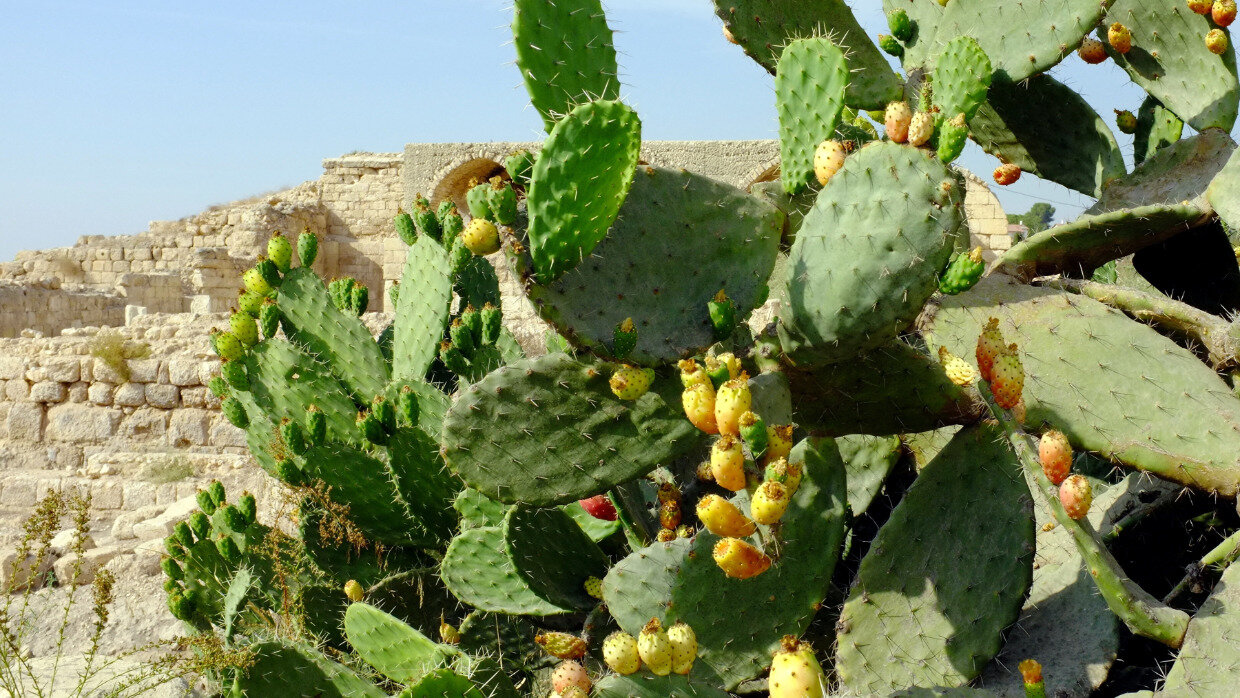
Since making Aliyah to the desert of Israel, I've had my fair share of prickly pear adventures. The iconic "sabra" fruit, as it's known locally, is a symbol of the country, but harvesting it firsthand is a lesson in patience and caution. I learned the hard way that attempting to pluck one directly from the cactus can result in a painful encounter with tiny, irritating spines.
Thankfully, local markets offer a safer and less painful option. Prickly pears come in both yellow and red varieties, with the former being sweeter. While many Israelis enjoy it, seeds and all, I prefer the smoother texture of pureed fruit that can be strained from the seeds. This versatile ingredient can transform into refreshing popsicles, invigorating cocktails, jams, or sorbets. So, whether you're a seasoned sabra enthusiast or a curious newcomer, this unique fruit is worth exploring.
The origins of the cactus fruit in Israel dates back to when Bedouins planted cactuses as agricultural fences to fend off intruders. Originally native to Mexico, cactus fruit made its way to the Mediterranean region by Spanish explorers in the 16th century. Its hardy nature, ability to thrive in arid conditions, and versatility made it a natural fit for the harsh summers of the Middle East.
“It went from country to country because it was a host for a good aphid from which a dye is made – and up to 150 years ago, dyes were costlier than gold,” said Zvi Mendel, one of Israel's leading agricultural researchers in an interview with Haaretz. “It was brought to Israel to raise that same aphid, but it didn’t grow in most places because the climate didn’t suit it. But then it was discovered that the fruit is good, even without the aphid.”
While its tough exterior and inedible seeds have deterred many, the sweet and refreshing flesh inside has captivated locals and visitors alike. The prickly pear's journey from agricultural defense to culinary delight is a testament to human ingenuity and nature's adaptability.
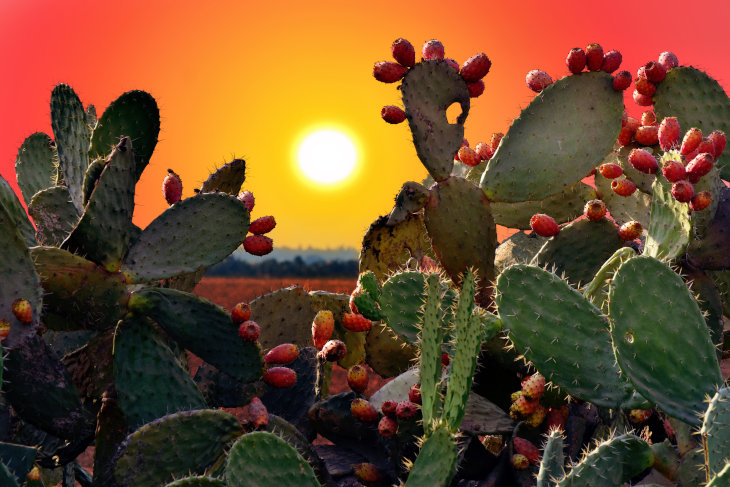
It was in the 1930s that the prickly pear truly blossomed into a beloved Israeli icon.
“They (native Israelis) were looking for a word to distinguish themselves from the Europeans that were immigrating to Israel at the time,” says Zel Lurie, a former Jerusalem Post writer.
While Sabra was originally a derogatory term for the uncivilized Jews who were born in Israel, it soon became a badge native Israelis wore with honor. It took Journalist Uri Kesari's column "We Are the Leaves of the Sabra!" in the publication Do'ar Ha-Yom to urge recently arriving immigrants to respect their native-born counterparts. Turning the phrase from a slur to a compliment.
This image of the Sabra as the “model Israeli” became the stuff of books and urban legend. Ferdynand Zweig called the Sabra in his 1969 book, “the Sword and the Harp”, a “buoyant, extrovert type with a heightened sense of living and purpose…a complete antithesis to the model of the Ghetto Jew.” In fact in 1980, Sabra, became the name the first Israeli super heroine as part of Marvel comics.
The Sabra became Ben Gurion's dream for the country. That the Olim from Eastern Europe, Ethiopia, Morocco and Yemen would all coalesce into one ethnic group, the Tzabar or Sabra. In a way the nickname reflects the dual nature of the fruit: tough and prickly on the outside but sweet and tender on the inside. This metaphor captures the essence of the Israeli character—resilient and unyielding in the face of adversity, whose rough and insolent manners hide their kind hearts and sensitive souls.
Beyond its symbolic significance, the prickly pear has a ton of antioxidants and health benefits.
Israeli farmer Noam Blum says the underrated fruit could be a solution to world hunger. It's high in fiber, easy to grow, and known to assist with diabetes and cholesterol. At Blum's farm, Orly Cactus Farm, Sabras come in more than 5 colors including red, green and yellow. Some being sweeter, others tangier and each bringing its own unique flavor profile.
The sabra as an Israeli ideal began to lose some luster in late 60s Israel as the waves of immigrants challenged the perception of the ideal Israeli. As Israel shifted from a socialist to a more capitalist country, the cultural ideals shifted as well. The ideal Israeli is now the high-tech wizard with a Silicon Valley startup, and not the olive-skinned farmer working from day to night. At the same time, many Israelis have never even tasted the prickly pear, the effort in peeling and pureeing being too great, but it seems the time is ripe for a comeback.
Prickly Pear Pops
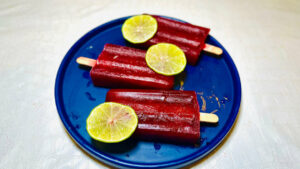
The prickly pear embodies the spirit of a nation that has turned adversity into opportunity. More than just a fruit to us Israelis; it is a potent symbol of Israeli identity, resilience, and the land itself. Israel's national fruit tells a story, one that digs at the heart of what it means to be an Israeli.










I love on the Mexican border. We eat the pads. Scorch or shave off the needles. Slice into bits or strips and pan fry with eggs ,onion and sausage. It's called nopalitos.it can be pickled and added to salads or rice or bean dishes.
Should say I LIVE on the Mexican border . Small keys,wide fingertips.
Here in eastern US we have “prickly pears “. I’m wondering if they are the same variety. I’ve never eaten them. It seems the plant’s vicious nature is what holds me back.
I think it's time to try them
AS a child in the hot summer days my mom would have prickly pears (the green variety) peeled and in a big bowl in the fridge, then pass them out in the heat of the day and as the sun was starting to go down. I live in the UK now and oh how excited I would be if I came across them here. They are delicious.
Not sure about the UK but I saw them all over Italy