




 Why Hating Jews Feels So Good
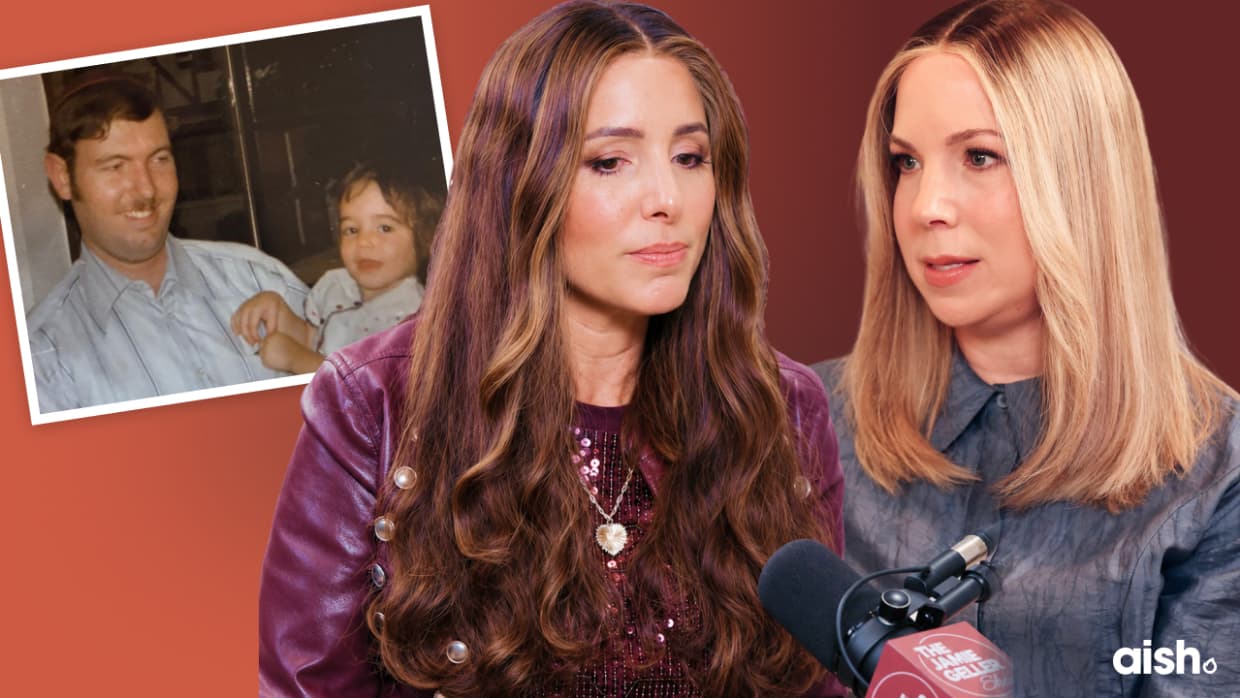





Michal Weinstein was nine when her father vanished. It took 19 years to learn he’d been murdered by corrupt cops. What she did with that pain is the real story.
In 1986, when Michal Weinstein was nine, her father Israel Greenwald, a diplomat and diamond dealer, hugged her goodbye at the bus stop and never came home.
For 19 years, the family lived with whispers of Mafia ties and no answers. The truth, when it finally surfaced, was worse than anyone imagined.
The FBI had wanted him to become an informant in a stolen-bond scheme and he refused to inform on a fellow Jew. So two NYPD detectives on the mob's payroll pulled him over on the Belt Parkway, drove him to a Brooklyn garage and murdered him, reportedly for $30,000.
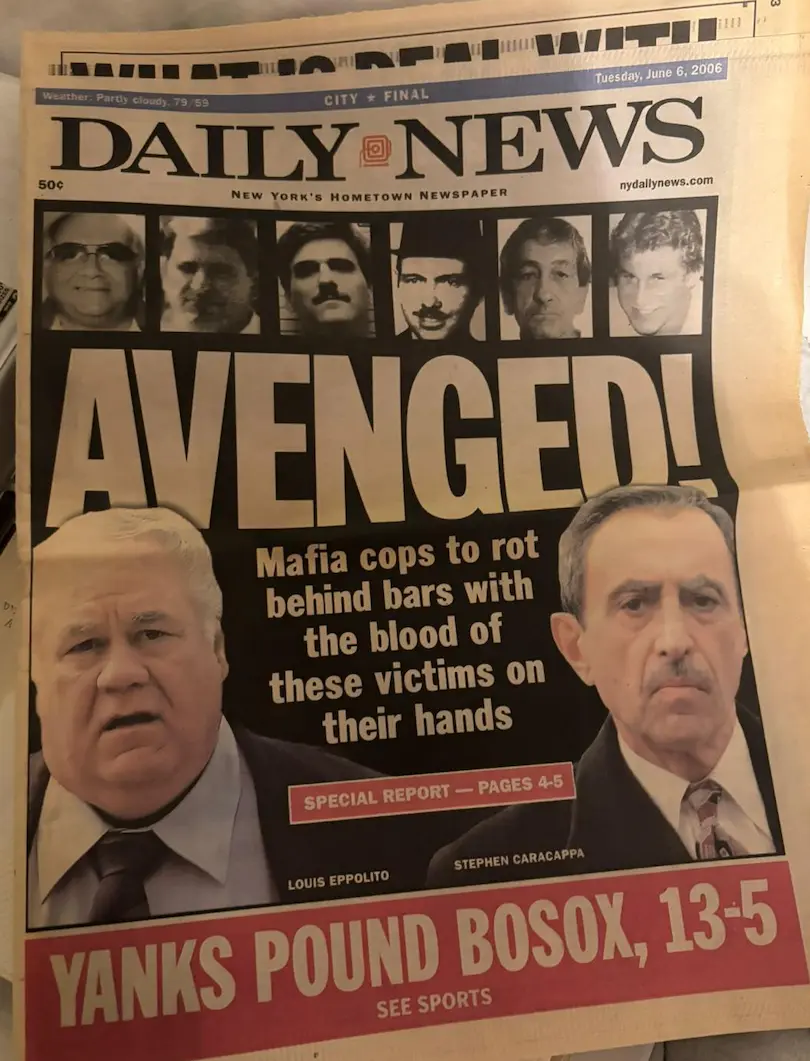
It became one of the worst corruption scandals in New York police history, and it dominated the city's headlines.
The story is shocking, but even more compelling is what Michal did with the pain in the decades before anyone had answers.
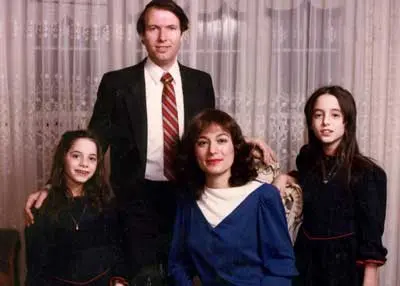 The Greenwald Family
For years, Michal was furious at God. Why couldn’t her life end like A Little Princess, the Shirley Temple film she grew up watching, with her father coming home and the villains saying sorry? She desperately yearned for that ending and for the apologies. Neither happened.
Sometime in high school, she made a decision. "If I keep focusing on the tragedy and the trauma that happened to me, I'm not going to have a good future." So she looked only forward, never back. She went to Israel for a year, built a career, married a wonderful man and started a family.
But she also buried the past. "It was a secret," she said. When she walked down the aisle with her grandfather, she knew the whole community was staring, whispering and wondering where her father was, and she simply didn't talk about it.
Michal spent part of her life defined by her pain and part of it hiding from it. Neither worked.
Then, in 2005, her father's body was found in a Brooklyn garage, buried under five slabs of concrete. A media circus of a trial followed, splashed across the front page of the New York Post for two years, and it vindicated her father, making clear that he was a victim and had nothing to do with the Mafia. Only then could Michal tell her story openly.
Her closure gave her the confidence to turn pain into purpose. She started running charity fashion events. After Ari Fuld was murdered she successfully raised money for his family. She became, in her words, someone "saving and helping people."
There’s an idea in Jewish tradition that captures Michal’s journey. The Talmud teaches that the Ark of the Covenant, kept in the Holy of Holies of the ancient Temple in Jerusalem, held two sets of the stone tablets of the Ten Commandments. One was the whole set Moses brought down from Mount Sinai. The other was the broken pieces of the first set, which Moses had smashed. Those fragments weren’t thrown away or set apart. They were placed right beside the whole tablets and kept together in the holiest place on earth.
Our broken pieces don't disqualify us, and they don't define us either. They travel alongside the whole parts and both are holy.
Most of us don't have a scandalous story that makes the front page, but we all carry a few broken pieces. Whether it's a loss, a disappointment or a hurt you've never quite set down, here are a few questions worth asking yourself:
After so many years Michal's father received a proper burial, and his name has been cleared. Michal lives in Jerusalem and calls this her happy ending. She got there by carrying the broken pieces with her.
Watch my full conversation with Michal. Her story is one you won't forget.