

 If These Were Your Last Words



9 min read





A recording glitch entirely erased my talk's sound and taught me an important lesson about the voice we give our Heavenly prosecutor.
Years ago, I gave a talk in Orlando, Florida. The group had hired a professional videographer and everything had been set up to be recorded and sent out for others to view.
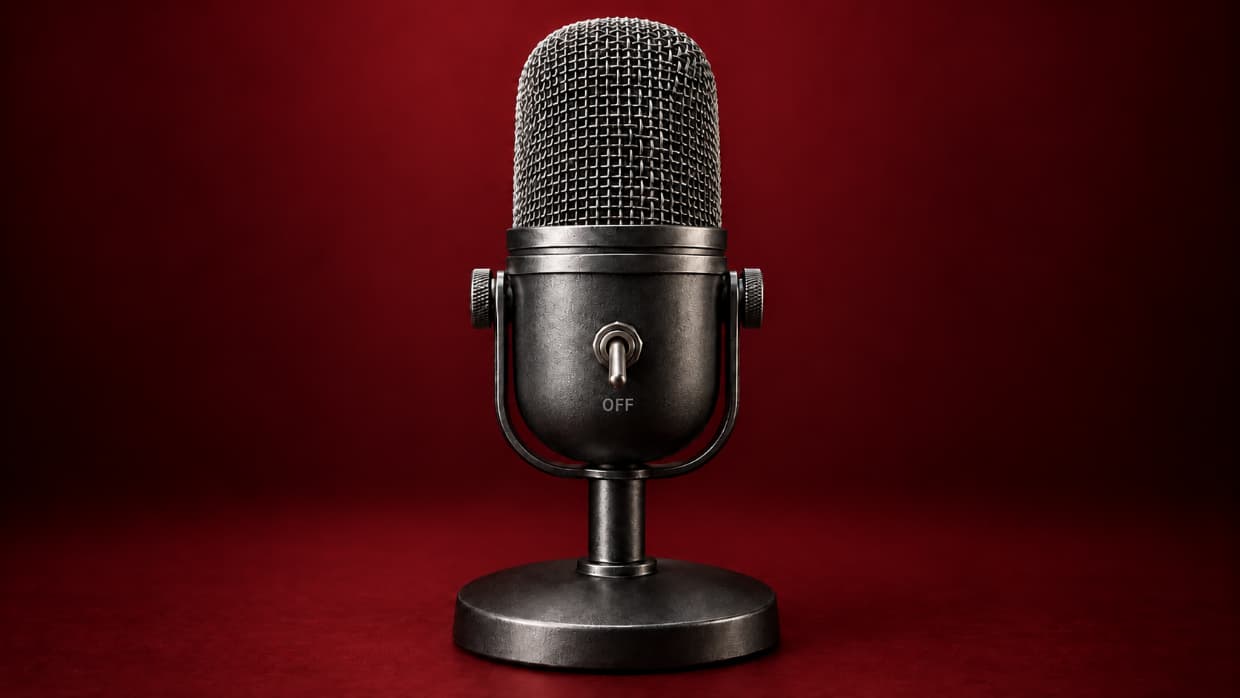
On my way back to Los Angeles I received a call from the videographer. There had been a problem with the microphone. The sound hadn’t recorded.
The entire talk was gone. We still had the video; you could see me standing there and speaking. But without the sound, none of it mattered. The video was worthless.
I wasn’t angry. I knew that everything is from God and that He’s running the show. If, for whatever reason, God did not want that particular class to be heard, I accepted that.
But I asked myself: what am I supposed to learn from this?
That microphone reminded me of a remarkable idea concerning the judgment of Rosh Hashanah and Yom Kippur, and ultimately the judgment a person faces at the end of his life.
Our Sages teach that when a person leaves this world and stands before God, his deeds accompany him (see Ethics of the Fathers 3:1). The things we did during our lifetime do not disappear. They create spiritual realities that come before God.
You visited someone who was sick? That act of kindness creates an angel, and in a spiritual sense, there is now an angel in Heaven representing that act of visiting the sick. You made a meal for somebody who needed it? That act creates an angel representing that kindness. Every mitzvah you perform becomes your defense attorney in Heaven. They stand before God and testify to the good that you brought into His world.
But there is also a prosecutor. Negative actions create spiritual realities as well. When a person does something wrong, an angel can be created that represents that negative act.
But the prosecutor needs a voice.
An accusation cannot be prosecuted if it cannot be spoken. No voice, no power.
What gives that prosecutor a voice? We do.
When we use our voices to speak negatively about other people, when we engage in lashon hara, derogatory speech, we create the spiritual force that gives voice the prosecutor, creating negativity in Heaven.
Think about the irony. When I speak negatively about somebody else, I am giving the prosecutor the microphone with which to speak negatively about me. The reverse is also true. If I refuse to speak negatively about another person, I deny that prosecutor its voice. There may be an accusation it wants to make, but without a voice, he has no power.
Yes, it’s difficult to never speak badly about another person, but it’s something we can all work on and improve. Every time you stop yourself, you are doing more than protecting another person’s reputation. You are taking the microphone away from your own prosecutor and giving power to your angels in Heaven to speak good on your behalf.
That message is worth more than the silent speech I gave in Florida.