
 If These Were Your Last Words



10 min read
11 min read




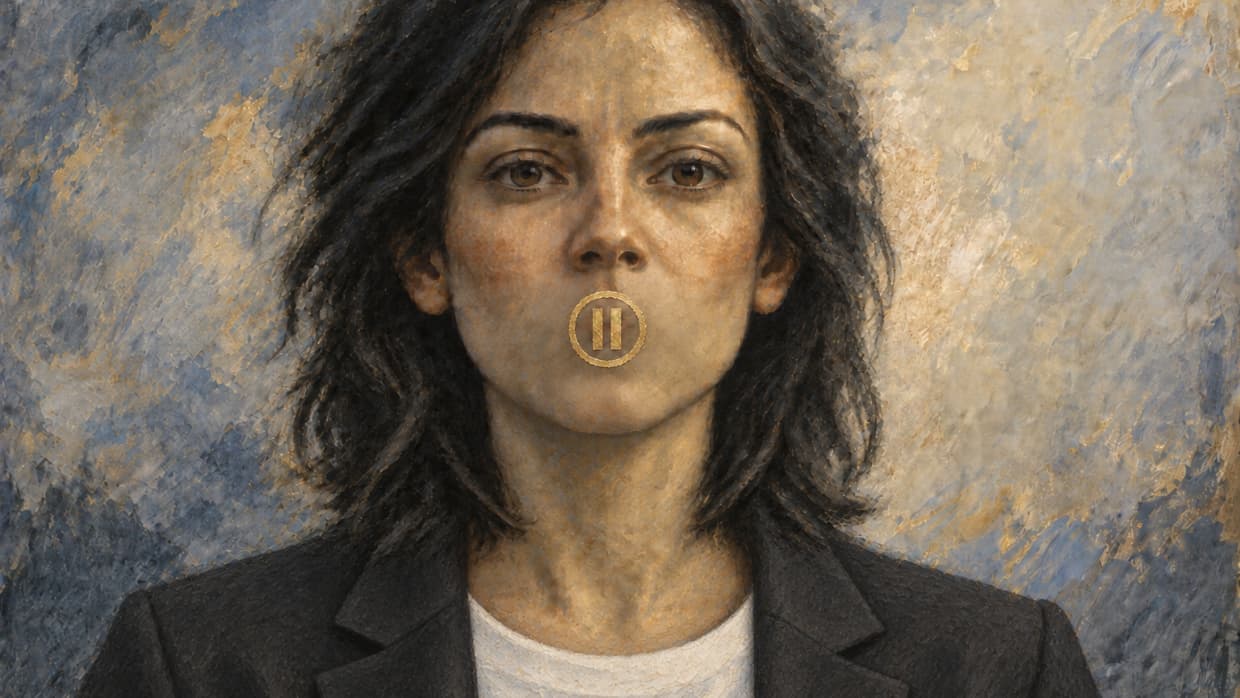
An Auschwitz survivor never forgave herself for the last words she said to her little brother. Yom Kippur asks us to speak like every word might be our last.
We are living in a time of more words than ever before. Texts, emails, posts, comments, voice notes, captions, reactions. And now, with AI, we can generate paragraphs and entire conversations almost instantly. We have never had more words available to us, and never been able to produce them with less effort.
The danger is that when words become this easy, they start to feel cheap. We hit send without thinking. We react before we reflect. We say things about people we would never say to their face.
Yom Kippur comes along and reminds us that words are anything but cheap. The Sages in Ethics of the Fathers teach us to say little and do much. On Yom Kippur, we flip that completely. We do almost nothing and say an enormous amount, standing in synagogue confessing our mistakes and describing who we want to become.
What's striking is how much of that confession is about speech itself. We confess for foolish speech, gossip, mockery, idle talk. So much of what went wrong this year came from our mouths. And what we broke with words, we repair with words.
The Torah says transformation "is very close to you, in your mouth and in your heart, to do it." The medieval commentator Nachmanides explains that this closeness refers to teshuva, repentance. We don't need to become different people or wait for some dramatic moment of inspiration. It starts “in your mouth”. Say what happened. Admit it. Say what you regret and what you're going to do about it.
That's why repentance requires actual verbal confession, not just quiet remorse. The Talmud in Yoma asks how a person confesses, and the answer begins with the words we actually say: "I have sinned, I have done wrong, I have transgressed." Feeling bad isn't enough. We have to say it out loud, again and again through Yom Kippur, not because we forgot we already said it, but because articulating who we were and who we want to become is itself transformative.
The prophet Hosea says, "Take words with you and return to God." The Sages ask: how does one achieve atonement? With words. That can sound like lip service. You behave one way, then say some words, and everything changes?
I think the answer is in the Hebrew language itself. Devarim means "things," and dibur means "speech." The two Hebrew words share the same root. That's not a coincidence. Speech creates things. Words create realities. A few words can end a friendship or start one. They can destroy a reputation or repair it, wound a marriage or heal it. We think words describe reality. Judaism teaches that words create reality.
That's why Yom Kippur opens so strangely. The room is packed, everyone's in white, the Torah scrolls are held at the front, the cantor begins that haunting melody, and we say: Kol Nidrei. All vows and oaths are declared null and void. Why start there? Because a vow is proof of what words can do. I can take something completely ordinary and, with nothing but words, change its legal status from profane to holy. Nothing physically changes, but my speech creates a new reality.
We open the holiest day of the year by reminding ourselves never to underestimate what comes out of our mouths.
Benjamin Zander, longtime conductor of the Boston Philharmonic, once told a story he'd heard from an Auschwitz survivor. She was deported with her eight-year-old brother; she was 15. On the train, she noticed he'd lost his shoes, and, in typical older-sister frustration, snapped at him for being careless. They were separated at the camp. He didn't survive. Those were the last words she ever said to him.
When she was liberated, she made herself a promise: "I will never say anything that couldn't stand as the last thing I ever say."
Imagine living that way. Not morbidly, but mindfully. If these were the last words my spouse heard from me today, would I be at peace with them? We live in a culture obsessed with having the last word: the clever comeback, the viral takedown. Yom Kippur asks for something far greater. Live so your words could stand as your last ones.
We don't know which conversation will be our last, but we know which one is next. Take your words seriously. Use them to repair, to heal, to bring people closer.
Words are acts of creation. With them we confess, forgive, apologize, encourage, thank, inspire. We tell our spouses we love them, our children we're proud of them, our parents we appreciate them, God that we want a relationship with Him. Change is closer than we think. It's right there, in our mouths.
We begin Yom Kippur with Kol Nidrei, undoing words from our past. But maybe we should leave the day with a commitment about the words still ahead of us. Before criticizing, ask if it will accomplish anything. Before forwarding something, ask if it needs to be shared. Before responding in anger, choose words instead of unleashing them. And don't wait to say what needs saying: I'm sorry. I forgive you. Thank you. I'm proud of you. I love you. I was wrong.
We spend so much energy regretting words we wish we could take back. Maybe we should spend more worrying about the words we never got around to saying: the compliment we felt but didn't give, the apology we kept postponing, the "I love you" we assumed was too obvious to need saying.
We don't know which conversation will be our last, but we know which one is next. Take your words seriously. Use them to repair, to heal, to bring people closer.
That survivor learned through unimaginable loss never to say anything that couldn't stand as her last words. We don't need tragedy to learn that lesson. Yom Kippur teaches it every year.
This year, let's worry less about having the last word, and more about making sure our words are worthy of being one.