






 In Poland, Even Winnie-the-Pooh Has a Holocaust Story

3 min read
9 min read
5 min read




74 min view


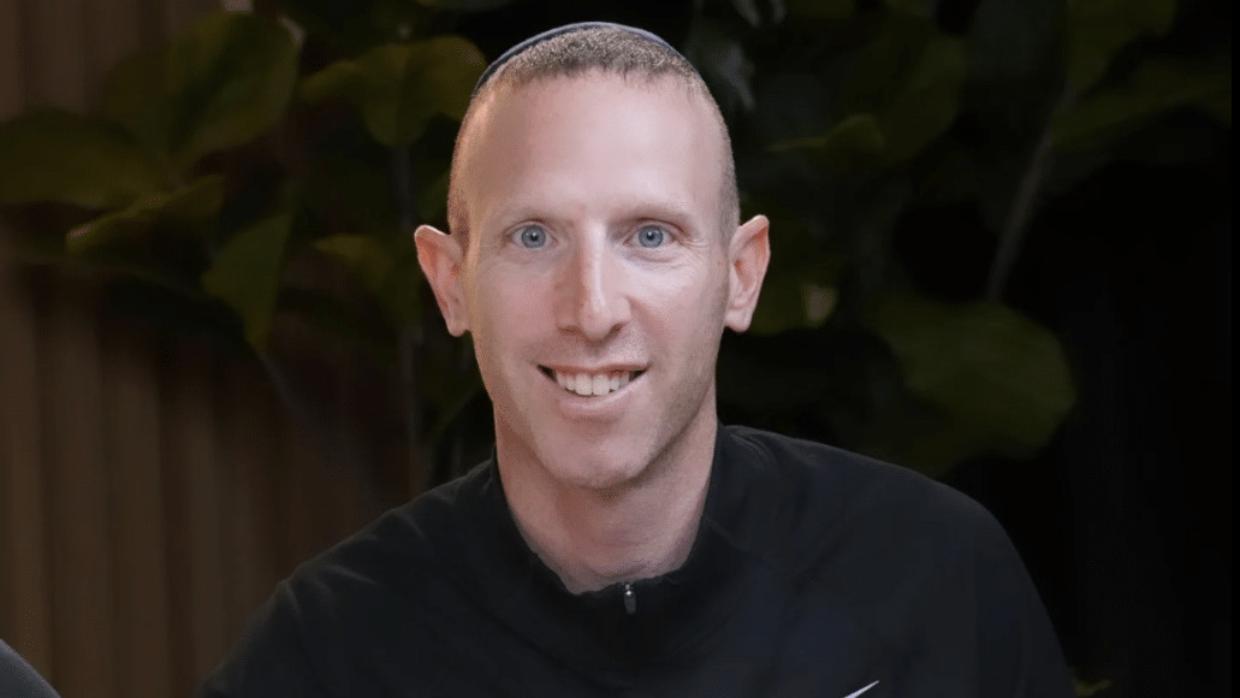
Tamir Goodman was called “the Jewish Jordan” at 17. Then it all fell apart. This is the story of faith, fame, the night he never played again, and his powerful second act that changed everything.
Tamir Goodman is a former elite basketball phenom—once dubbed “the Jewish Jordan”—who became nationally famous in his teens for chasing a Division I career while being an Orthodox Jew. But the nickname never captured the real story: not a novelty act, not a headline, but a relentless competitor trying to stay a whole person inside a system that kept trying to shrink him.
He loved basketball so completely he couldn’t imagine ever getting tired of it—and he was also committed to faithfully observing Judaism, including Shabbat. So from Friday night to Saturday night, he wouldn’t play, travel, or compete. That choice wasn’t a marketing angle. It was his life.
Tamir’s real story is what happened when the fairy tale demanded a trade: play on Saturdays or don’t play at all. He walked away from a dream program rather than compromise.
That commitment showed up early, disguised as a struggle. Dyslexic in school, Tamir learned to see the game differently—angles, lanes, possibilities other people missed. At an elite invitational camp, where he arrived with a kippah and kosher food and got treated like a mistake someone forgot to correct, he kept his head down and played. Then, in a single blink-of-an-eye moment—a behind-the-back pass threaded between defenders—the gym turned. Coaches leaned forward. By the end of the week he had seven Division I offers. It was the kind of story people love because it’s clean, cinematic, and easy to retell.
But Tamir’s real story is what happened when the fairy tale demanded a trade: play on Saturdays or don’t play at all. He walked away from a dream program rather than compromise.
Another school asked him to leave because the attention had become “too much.”
When he finally reached Division I on terms that respected his religious observance, the stability didn’t last. After his freshman year, the coach who had supported him was fired. The new coach made it clear he didn’t want to accommodate Tamir’s Sabbath commitment. Tensions escalated behind the scenes — promises unraveled, meetings went nowhere, and Tamir felt increasingly pushed out. Then one night, after a game, the conflict exploded in the locker room. According to Tamir, the coach became physically aggressive. Campus police intervened and escorted Tamir to the station to give a statement. By the time it was over, the relationship — and his college career — were finished. He never played another NCAA game.
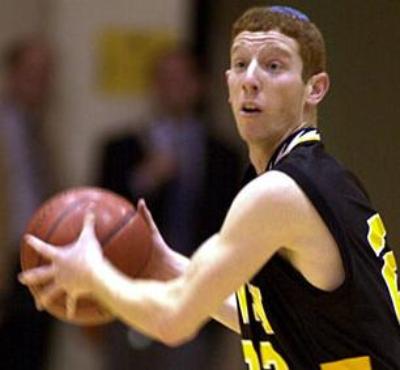 For months he couldn’t even look at his own basketball clothes. His identity felt stolen, first by labels, then by other people’s versions of what happened. He didn’t lose faith in God, but he was hurt in the way only someone devoted can be hurt: shattered and still standing.
What rebuilt him wasn’t a comeback montage. It was discipline. The same way he trained his body, he trained his inner life: prayer, movement, routine, gratitude. His coach had taught him to face the media after a bad night and say, simply, “I played poorly. I’ll get back in the gym.” His grandmother, a Holocaust survivor who carried lifelong pain, taught him something even harder: I still feel it every day, and I choose to be happy. Tamir took both lessons as instruction, not inspiration.
Eventually, the second act came in a different uniform. Israel called. He arrived ready—physically, emotionally, spiritually—because he’d decided that no one else would get to write the ending. And when injuries later tried to close the door for good, his wife, Judy, reframed the question that changed everything: not “What do I want from God?” but “What does God want from me?”
He believed his purpose wasn’t disappearing; it was expanding.
The uniform changed, but the mission didn’t. Today Tamir mentors young athletes around the world, especially Jewish players navigating the tension between ambition and identity. He trains elite prospects, develops performance tools, and speaks internationally about resilience, faith, and maximizing potential. Parents call him when their child is overwhelmed. Coaches call him when they don’t know how to support a religious player. Young athletes call him when they feel alone.
He has become the mentor he once needed.
The same intensity he once brought to the court he now brings to helping others find their footing.
 In Israel, he built basketball development programs rooted not just in skill, but in discipline, gratitude, and inner strength. He works with children with special needs. He designs training concepts and products to improve player development. And he speaks in schools, communities, and arenas inspiring young people about life’s purpose. The same intensity he once brought to the court he now brings to helping others find their footing.
That’s the Tamir Goodman you don’t get from the nickname: a man who measures success by integrity under pressure. A player who turned dyslexia into vision, heartbreak into resilience, and fame into responsibility.
In this episode of No Reservations, Jamie Geller sits down with Tamir Goodman to talk about what happens when being turned into a symbol starts to cost more than it gives.
0:00 – Opening: “I never played another college game again.”
2:04 – Where the story begins
5:12 – Discipline is spiritual, food, schedule, and “win the day”
12:40 – Coach lessons, pressure, accountability, and respect
27:02 – The camp moment: the pass that changed everything
31:12 – “Shabbat is non-negotiable.”
38:37 – The promise, the pressure, and the night it ended
46:35 – “I chose to be happy.” Rebuilding after losing everything
52:20 – “Different uniform.” What God wanted for him next
1:10:18 – Closing: control, identity, and the blink-of-an-eye line














I hope he or a colleague are presenting mentoring for young women with an interest in competitive sports.
Very uplifting and inspiring article!