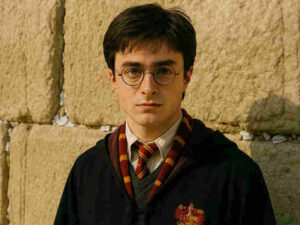
 Should Harry Potter Feel Grateful to The Dursleys?

5 min read
6 min read
7 min read


4 min read


Does Harry Potter owe the Dursleys gratitude? Judaism’s answer may surprise you.
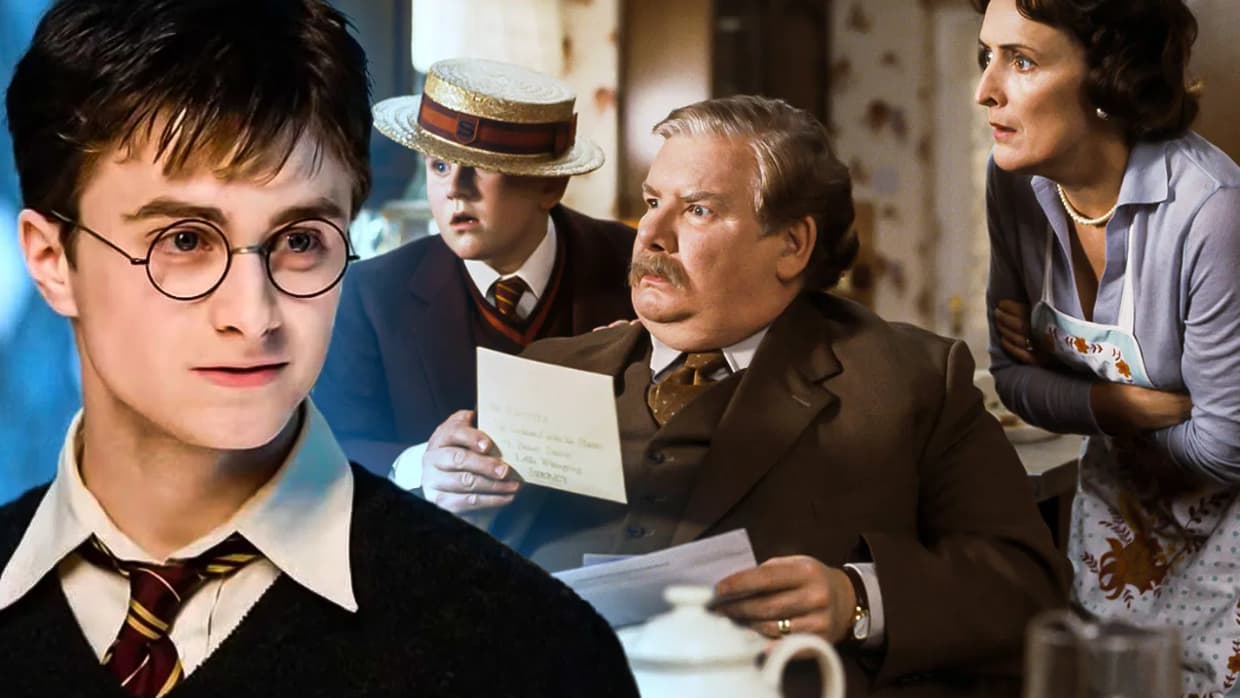
Anyone who's read Harry Potter knows Voldemort is the villain. But many readers reserve their deepest contempt for the Dursleys, Harry's aunt and uncle, who took in their orphaned nephew and made his childhood miserable.
Dumbledore put it plainly: "He has known nothing but neglect and often cruelty at your hands." And yet Dumbledore also acknowledged that Petunia "took you grudgingly, furiously, unwillingly, bitterly, yet still she took you" — and that Harry arrived at Hogwarts "alive and healthy."
So here's the question: does Harry owe the Dursleys any gratitude at all?
Judaism’s unqualified answer: yes.
The proof comes straight from Deuteronomy: "You shall not despise an Egyptian, for you were a sojourner in their land" (23:8).
That's a stunning commandment. The Egyptians enslaved us. They murdered our baby boys. And the Torah tells us not to despise them?
Rashi, the 11th century commentator, addresses this head-on: "Although they cast your male children into the river, because they were your hosts in time of need, you may not despise them."
This runs against how we normally think about gratitude. In the Western view, gratitude is transactional: you were kind to me, I'm grateful. But if you hurt me, you forfeit that right. By that logic, Harry owes the Dursleys nothing. They took him in, then treated him like a servant.
The Torah sees it differently, and the Hebrew language makes this clear. The word for gratitude is hakarat hatov — literally, "recognizing the good." Not feeling warm toward someone. Not forgiving them. Just acknowledging, clearly and honestly, that something good was done for you.
It sounds simple, but the bigger the favor, the harder it is to admit. Recognizing what someone did for you can mean acknowledging that you couldn't have managed without them. That's a painful admission. It's no coincidence that the Hebrew word for "thank you," todah, shares a root with modeh — "to admit."
#Harry has the moral responsibility to look at the facts: the Dursleys took in an orphaned child they didn't want. They fed him, clothed him, sheltered him, kept him alive.
This is why the Torah frames gratitude as an act of perception, not emotion. Harry has the moral responsibility to look at the facts: the Dursleys took in an orphaned child they didn't want. They fed him, clothed him, sheltered him, kept him alive. The cruelty was real, and so was the kindness. Both things are true, and pretending otherwise is a distortion of reality.
Similarly, the Jewish People must feel gratitude towards the Egyptians. Yes, the Egyptians murdered our children and enslaved us. That doesn’t change the fact that they took us in during a time of famine and saved us. For that, the Torah commands us not to despise the Egyptians.
Gratitude doesn't mean approval. We don't forgive the Egyptians. But when we refuse to acknowledge the good someone did because they also caused us harm, we are closing our eyes to reality.
And that blindness costs us. Research consistently shows that people who actively notice and acknowledge the good in their lives are happier, less resentful, and build stronger relationships. Rebbe Nachman of Breslov adds something deeper: when we acknowledge the good in someone, we actually reinforce it. The giver begins to identify with their better self and act accordingly.
But the highest stakes are internal. The Alter of Slabodka, a towering figure in Jewish thought, taught that every time we fail to recognize good done for us, we chip away at our capacity to recognize the good that comes into our lives every day. As the Sages put it: "One who is ungrateful to his friend will ultimately be ungrateful to God."
This is why the Torah insists on gratitude toward the Egyptians — and why Harry owes something to the Dursleys. Not for their sake, but for Harry’s own health, growth and happiness.