
 The World Says You're a Jew. Now What?

4 min read
11 min read
5 min read





Out of the pain of October 7, a young widow found the courage to love again. Her wedding showed what makes the Jewish people unbreakable.
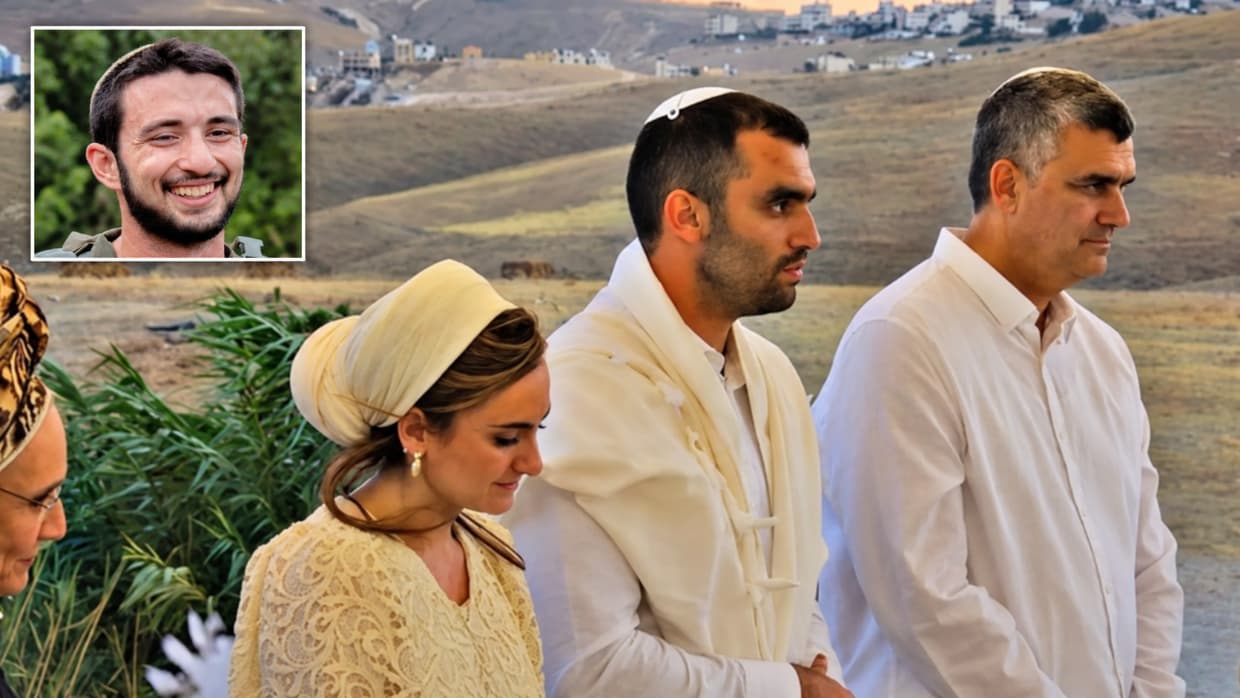
Beneath a wedding canopy near Ma’ale Adumim on June 23, 2026, Miriam stood beside Ofek, preparing to begin a new chapter in her life.
They were surrounded by family, friends, music, and celebration, but also by tears. Present in every heart was the memory of Captain Ori Mordechai Shani, Miriam’s first husband, the father of her little boy, Roi, and a former soldier under Ofek Datan’s command.
Ori was not physically there, yet everyone could feel his presence.
Miriam and Or Shani were a beautiful young couple, deeply in love and filled with dreams for their future. Together, they built a home grounded in faith, devotion, and love. When their son, Roi, was born, they imagined all the ordinary and precious moments their family would share.
Then came October 7, 2023.
Roi was only four months old when their world was shattered.
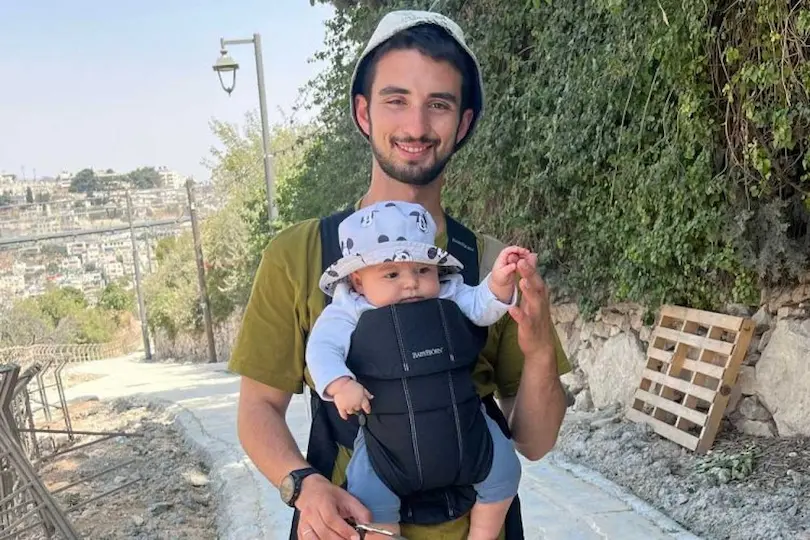 Ori with his baby Roi
just 22 years old, Ori served as a platoon commander in the Golani Brigade’s 51st Battalion. On the morning of October 7, Ori and five of his soldiers left the Kissufim IDF outpost for a routine patrol. When Hamas terrorists invaded Israel, they found themselves facing a heavily armed force. Despite limited ammunition and equipment, Ori remained calm and courageous, leading his men through hours of intense fighting and helping prevent the terrorists from advancing toward Kibbutz Kissufim.
Under relentless fire, Ori guided his soldiers safely back to the base to replenish their ammunition. There, however, Ori and one of his soldiers, Sergeant Re’em Batito, were tragically killed in a mortar attack.
In recognition of his extraordinary courage, leadership, and sacrifice, Ori was posthumously promoted to the rank of captain.
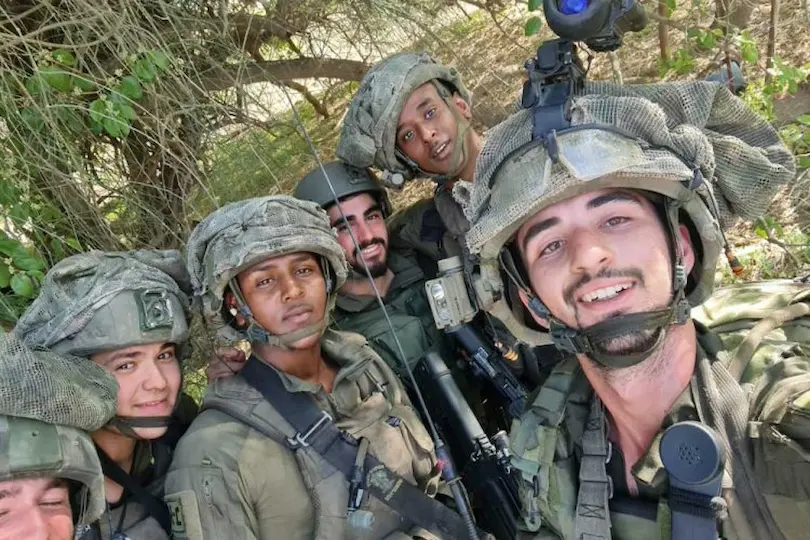 Ori and his soldiers
In a single moment, Miriam lost the man she loved, the father of her infant son, and the partner with whom she had planned her future. She now had to look into her baby’s eyes, knowing that he would grow up without his father’s embrace, while somehow finding the strength to face each new day.
Some forms of grief are too deep for words. They do not simply disappear with time, they become part of the person who carries them.
Miriam continued to care for Roi and learned to take one-step and then another. She carried Ori with her, not only in photographs and memories, but as a living presence within her heart. She has described the love he left inside her as a love that will never end and will always remain part of who she is.
Then, slowly and unexpectedly, another chapter began.
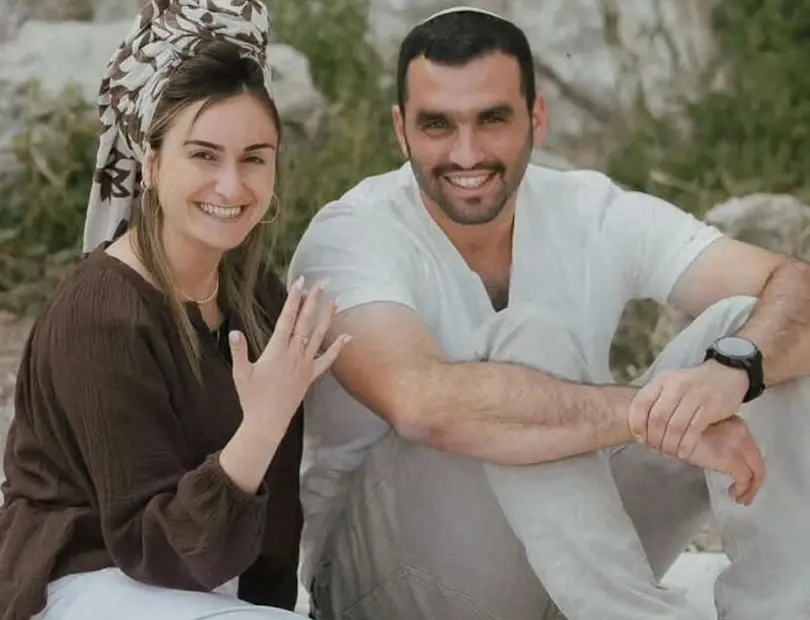 Miriam and Ofek
Miriam found love with Ofek Dotan, who had been Ori’s commander during his training in the Egoz Unit. Ofek understood the depth of her loss and knew that loving Miriam meant making room for Ori’s memory, never competing with it or trying to replace it.
With the loving support of Ori’s family, Miriam chose to open her heart again.
During their wedding ceremony, Ofek addressed Ori. He recalled how Ori had once told him about Miriam, how deeply he loved her and how excited he was to build a home with her.
Ofek thanked Ori for building the “first floor” of that home. He described the life he and Miriam were now creating as a “second floor”, built upon the strong foundations Ori had laid.
It was an extraordinary expression of tenderness and humility - the new home did not erase the first, it rose from it.
That moment captured something profound about the Jewish people.
For centuries, our small nation has endured persecution, exile, terror, and unimaginable loss. Again and again, we have been broken, yet we have refused to remain among the ruins. We have answered death with life, destruction with rebuilding, and hatred with an even greater commitment to love.
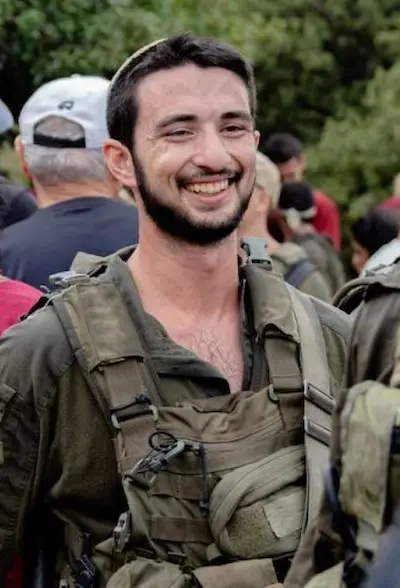 Choosing life does not mean forgetting those we have lost. It means carrying them forward with us. Miriam’s love for Ofek does not diminish the love she will always carry for Ori. Her wedding was not the end of her grief; it was her courageous decision not to allow grief to be the end of her story.
This is the secret of Jewish resilience.
It is planting a tree where fire once burned, building a home where another was shattered, and standing beneath a chuppah with tears in our eyes and hope in our hearts.
We do not rise because we were never broken. We rise because, even after being broken, we gather the pieces and begin to build again.
Even after October 7, we choose life.
It is an act of faith, an act of defiance, and one of the greatest acts of courage.