





 The Three Liberations of Passover



4 min read
4 min read



5 min read


The meaning of matzah and the freedom of simplicity.
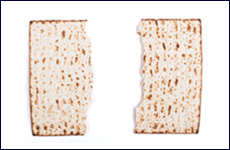
Matzah, the most important food at the Seder, seems straightforward but if you think about it, it’s actually somewhat complicated.
On the one hand, it symbolizes and celebrates freedom; it’s the bread over which we recline like aristocrats and tell the story of our liberation.
On the other hand, it’s called "lechem oni," the bread of affliction. Moreover, for a bread meant to be a sign of royalty, it’s rather bland. The recipe is flour and water, period. Any additional ingredient would invalidate it. In food competitions, the taste is only part of the story; presentation, texture and appearance are all also important. Matzah is asymmetrical, imperfect, basically a bland cracker, dull and simple even in its presentation and appearance. This is the food of royalty and wealth?
The Maharal, in answering this question, explains the fundamental theme of matzah and how in fact it symbolizes freedom, wealth, and royalty.
We tend to think the more things we have, the more complex and complicated our portfolio, the more intricate and sophisticated our possessions, the more elaborate and extravagant, the more it reflects wealth, freedom, and affluence. In fact, says the Maharal, the opposite is true. The more we depend on fancy things, fancy experiences, and even fancy ideas, the more we are beholden to them and reliant on them.
To truly be free is to embrace simplicity. The less we are dependent on externals, on what an object or experience can provide, the freer we are from them.
Lechem oni, typically translated as the bread of affliction, doesn’t mean that those who eat it are suffering. The Maharal translates it as bread of oni, of living without. It doesn’t lead to affliction and suffering; it leads to freedom and liberation. When you are dependent on something – material things, superficial experiences, exciting stimulation, you are not at free. Freedom is a return to simplicity. Only one who can live with oni, without, is free and wealthy because they have no dependency.
We don’t eat matzah the whole year. There is nothing wrong with enjoying some yeast, some leaven, from feeding that sourdough. But for one week we demonstrate our freedom from those things so that even when we return to them, we do so by seeing them as luxuries, as external to who we are. They’re not necessities, a part of us. They are something we can live without.
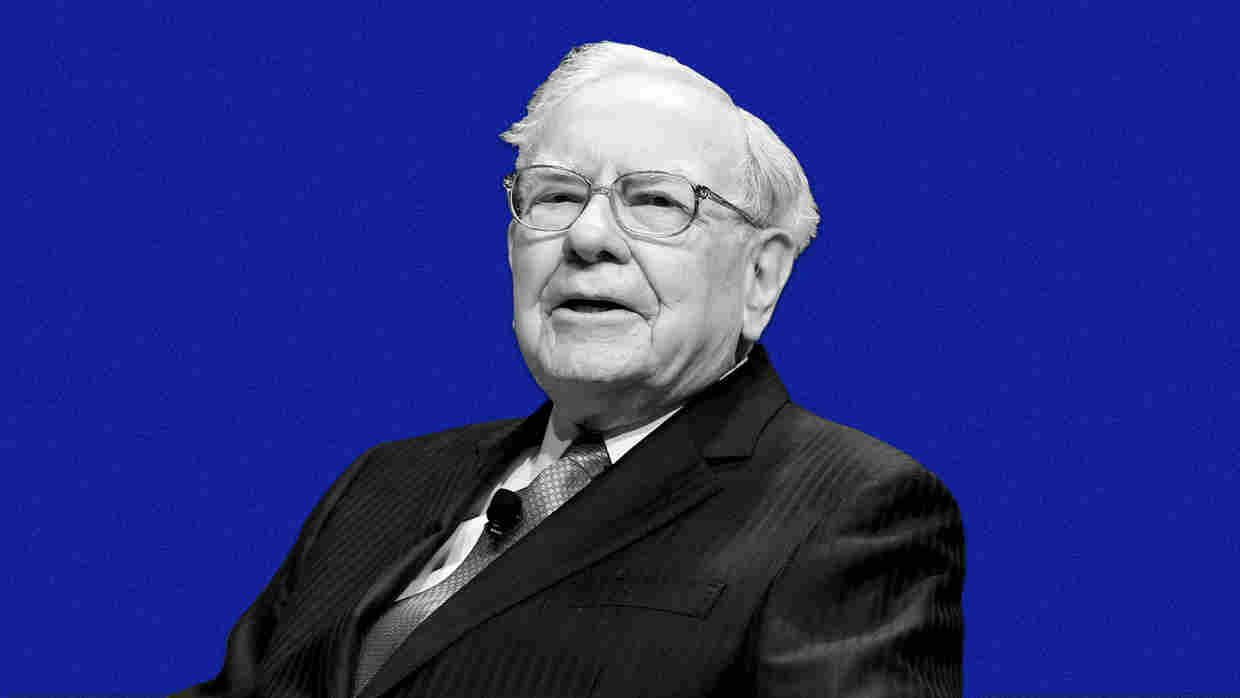
Warren Buffet is an incredibly wealthy man. Most would assume I say that because he is worth $139 billion, but that isn’t why. The 93-year-old has lived in the same modest house in Omaha, Nebraska for 66 years. When asked why he never upgraded, he said, “I’m happy there. I’d move if I thought I’d be happier someplace else. This house does just fine. I’m warm in the winter, I’m cool in the summer, it’s convenient for me. I couldn’t imagine having a better house.”
The founder of Berkshire Hathaway, one of the richest men in the entire world, only swapped his flip phone for a smartphone in 2020. Buffett is free not because of his tremendous material wealth but because he doesn’t depend on it for happiness.
Others, too, are craving this wealth. There is a movement towards getting rid of smartphones and turning them in for dumbphones. The movement isn’t amongst the religious communities in Jerusalem or Lakewood, it is all over America. Sales of flip phones and dumbphones are up with people craving simplicity, plain, simple, bland, back to basics. People are bloated on chametz and looking for more matzah in their lives.
Matzah is freedom because it is a return to simplicity, a break from that which we have grown dependent on and it is the discovery that we can be happier with less than with more.
Passover and matzah remind us that the things that are most simple and straightforward are most true and most valuable, they set us free and make us wealthy. Like Warren Buffett, we shouldn’t be attached and dependent on external things, even if we can afford them. Being happy with the simple and plain will set us free.
And lastly, let’s let the matzah inspire us to simplify our relationships.
I once attended a funeral of a woman who was clearly complicated. There was a palpable tension among her children and grandchildren and during their eulogies they subtly (and sometimes not so subtly), while offering praise, still communicated that she introduced lots of conflict into the family. The last speaker was her son. He got up, paused, and said, “Mom was complicated, let’s keep things simple. Let’s simply love one another, simply be loyal to one another and simply get along with one another,” and with that he sat down.
Let’s introduce more matzah into our relationships. Instead of making them complicated, keep them simple by simply loving one another, being loyal to one another and getting along with one another.









Warren Buffett is a remarkable man because he comes from a very poor family, he had to work and sell all kind of things during his study so he could study and eat something and most famous are his words "If I don't understand what it is I do not buy it" He didn't loose a nickel in 2008 because he had no hot stuff in his portfolio. He indeed is a man true for his words, he likes his little house, he doesn't own an aeroplane, or an Island, and he never got engaged in friendships with people who are not that clean handed on crimes.
A lot of rich people keep it simple, maybe to help so rich, I hope they give a lot of the Jewish version of charity, in Judaism you are supposed to give 10% of your assets
The article about Matza and simplicity rings SO true; alessandria for all to remember each day,when we thank Hashem for what we have and NOT for what we want.
I met my husband in Boca Raton and we moved up to Central Florida 25 years ago. We returned frequently to visit family while we certainly have our fair share of affluence up here in Orlando. I will say that South Florida and other areas of the country involve more pressure to keep up with the Joneses and be reliant on material things for happiness. My husband, I made the absolute right choice for us. Been in an area of tremendous affluence, just adds another level of pressure to look to material goods for your joy.
a challenge to keep things simple
Brilliant!
GREAT!