




 Are You a Spy or a Tourist?

4 min read
7 min read




5 min read


The Seder's four cups are a map of your inner journey to freedom.
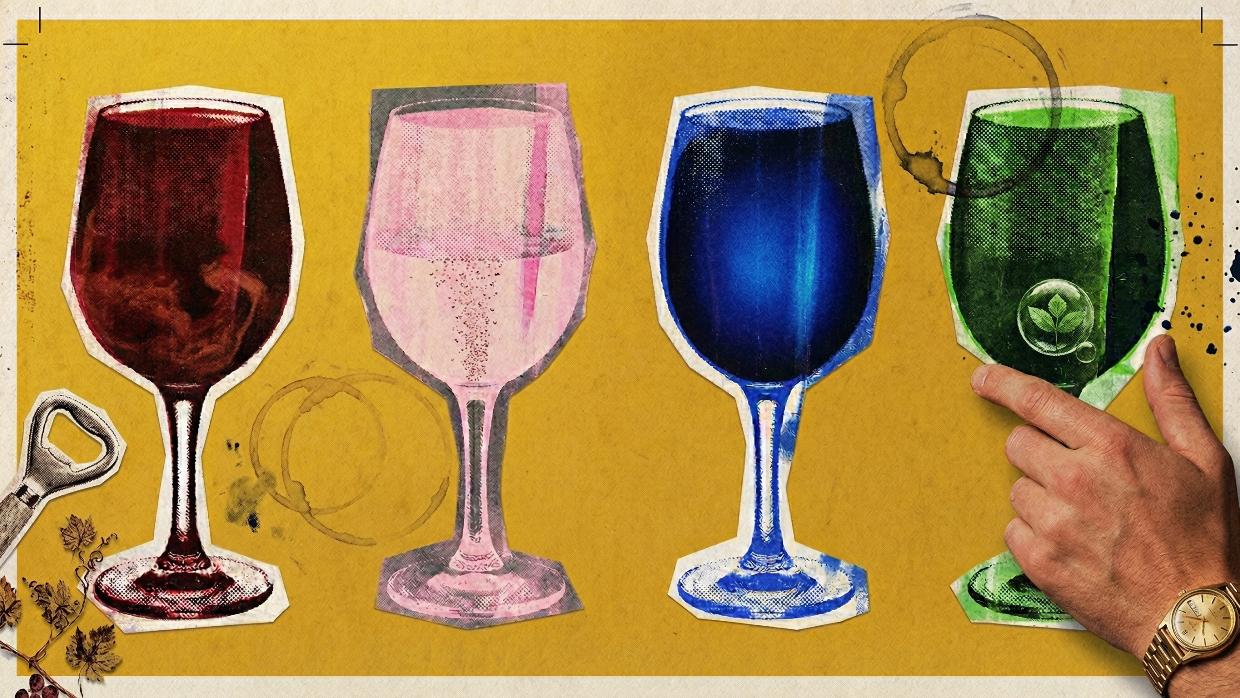
The four cups of wine you drink Seder night are a map of the human soul.
Passover’s four cups correspond to the Torah’s descriptions of redemption in four stages: "I will take you out," "I will save you," "I will redeem you," "I will take you." Four movements reflect four different versions of who you are becoming during the process of attaining inner freedom.
The first cup, v'hotzeiti ("I will take you out"), begins with disruption.
Like Moses, who sees the Egyptian striking the Hebrew and suddenly cannot look away, there comes a moment when the life you are living no longer feels sustainable. Not because everything has changed, but because you have.
It can happen in the middle of a conversation that suddenly feels false, in a job that once felt right but now feels suffocating, or in a relationship where you realize you have been shrinking yourself to fit.
Internally, something breaks open.
This dissonance, a quiet but irreversible awareness, tells you that this version of me that cannot continue.
It is frightening because it rattles your safe and familiar patterns. So you hesitate, rationalize, delay.
But once that awareness enters, it does not leave.
This is the first cup. The courage to begin leaving. The self has awakened.
The second cup, v'hitzalti ("I will save you"), reveals a harder truth: leaving is not the same as being free.
When the Israelites left Egypt, they carried Egypt with them. They stood at the Red Sea and said, "Were there no graves in Egypt?" Out physically, but psychologically still inside.
You leave the environment, but not the inner voice. You change the situation, but not the reflexes. You create space, but anxiety follows you into it.
Growth here is uneven. One moment you feel strong; the next, you fall back into old patterns. Progress feels fragile and inconsistent.
Yet something is shifting beneath the surface.
This is the hidden work no one sees, the slow learning that you no longer have to live the way you once did. This is the self that struggles and begins to heal.
The third cup, v'ga'alti ("I will redeem you"), marks a subtle but decisive shift.
The old patterns begin to loosen. Automatic reactions start to soften. You notice it in small moments: you pause instead of reacting, you speak instead of staying silent, you make different choices, not because you have to, but because they feel true.
This is the quiet reconstruction of identity.
The past does not disappear, but it loses its authority. The story shifts from "this happened to me" to "this no longer defines me."
This is redemption as return, the self that reclaims itself.
The fourth cup, v'lakachti ("I will take you to Me"), takes freedom one step further.
The final stage of redemption is relational.
A person who is healed but lives only for themselves is not yet fully free. Real freedom is connection with intention, living in alignment with something larger than yourself.
It can look simple: being present in a heartfelt conversation, showing up for another person, living by values rather than reacting to circumstances. Yet spiritually and psychologically, it is profound.
It reflects a shift from asking Who am I? to asking What am I here for? A movement from surviving to living with purpose.
This is the kind of freedom that endures, because meaning sustains what escape alone cannot. It is the self that connects to others, to purpose, to something greater.
My soul is always reaching for the fourth cup.
It longs for those moments when life stops pulling me in so many directions and everything gathers itself gently into place. I find it surrounded by the people I love, in my writing, when words give shape to what lives quietly inside me, in music, in the way singing carries me beyond language. It appears in standing by a friend without hesitation, and in my work in the philanthropic world that reminds me my life can touch something beyond itself.
In those moments, I know there is meaning and purpose. I am whole, grounded, connected.
I did not arrive there all at once.
I pass through the first three cups again and again. I still carry Egypt within, old fears, old reflexes, old wounds, and I must continuously do the inner work of learning not to be ruled by them.
Yet something in me is changing. I speak more truthfully, love more bravely, admit my fears and disappointments, remain more present, and begin to reclaim not only my voice, but my deeper self.
What the Seder teaches me about my inner journey to freedom is that redemption does not erase pain. It deepens the heart that carries it. Somewhere along the way, I have become more understanding, more accepting, more forgiving, even in moments when my heart has been broken.
My faith steadies me. It’s the quiet thread that holds me together through life's hardest seasons.
I am not just one cup. I am all four of them, unfolding.












Thank you !
Very deep, beautiful and relevant all together. The Gemara says נכנס יין יצא סוד. According to this it can mean that each cup of wine at the Sefer reveals and redeems a deeper level of self and connection to Hashem. Chag Kasher VSameach!
Well written and food for thought! An interesting topic to discuss with family and friends. Very relevant during this period. May we all find our freedom and may there be peace in Israel at last. Chag Sameach!
Dear Debbie, An informative & beautiful article written with such depth & understanding. Definitely food for thought.
May we all grow spirituality, understand & learn what Pesach is all about. Thank you. Pesach kasher ve'sameach.