








 The FlyDubai Miracle
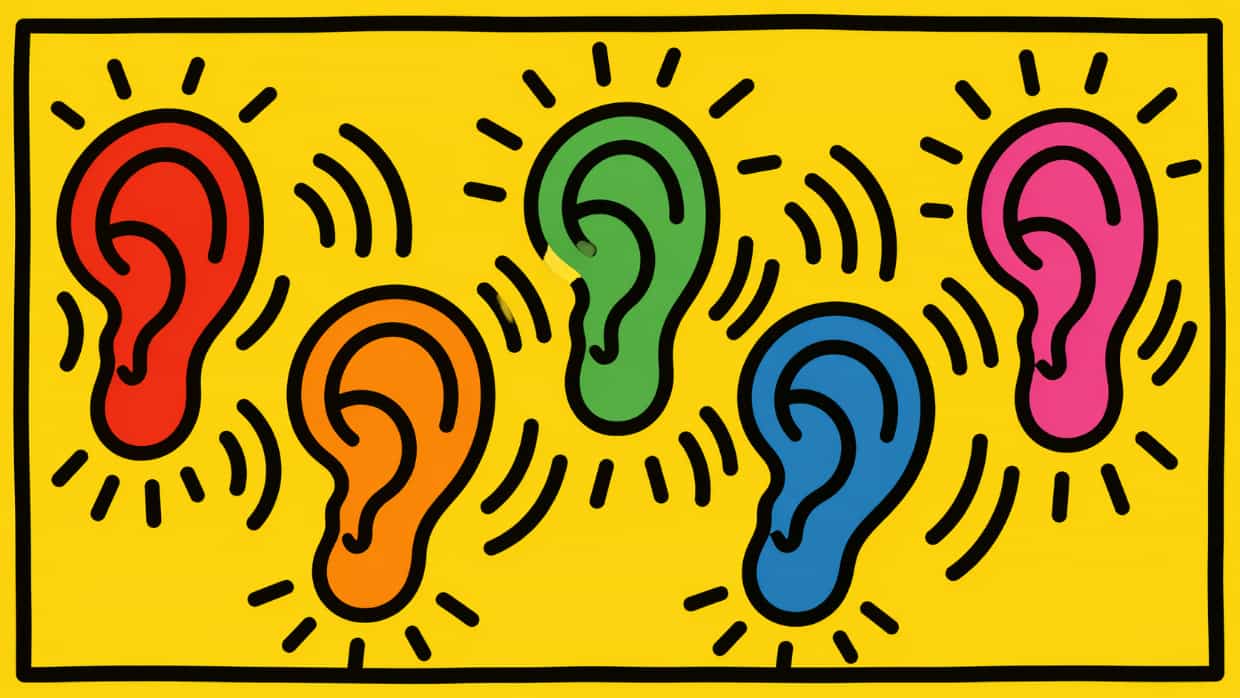








You think you're listening, but you're probably not. You're waiting and planning, and only half‑present. Here are seven practices that will change every conversation you have.
The first word of the Shema, the most important prayer in Judaism, directs us to listen with our full attention, to be fully present, to understand, and to be willing to receive.
But listening is hard. You might be glancing at your phone or thinking about the next thing on your to-do list. Even when you try to listen, you are often preparing a response, deciding what the story means, trying to fix the discomfort, or waiting for your turn.
Yet, when you pause long enough to enter someone else’s world, that’s when real connection happens.
Here are seven practices to help you listen better.
A modern form of respect is putting the phone down and turning toward the person speaking. You don’t need perfect eye contact or dramatic gestures. Just the simple act of being fully present is enough. People can feel when you’re only half there, and they can feel when you’ve chosen to be all there. In a world of distraction, full attention itself is a gift.
Tip: When someone begins sharing something real, place your phone face down and out of reach. It signals, “I’m here with you.”
Chances are you interrupt long before you open your mouth. You start composing a reply, defending yourself, predicting the ending, or mentally organizing the conversation into something you can solve. This internal rush is the biggest barrier to listening because it pulls us out of the moment and into our own heads.
Slowing your inner narrator doesn’t mean silencing your thoughts; it means noticing when they start running ahead and gently bringing yourself back.
Tip: A small internal pause, “Let me hear this fully before I decide what it means,” changes the entire tone of the interaction.
The moment someone shares something real, your mind leaps to your own experience: what you would do, when this happened to you, how you can fix it. It’s human, but it shifts the focus away from the person speaking.
Staying with their world means letting their experience be the center of attention for a few minutes.
Tip: When you feel the urge to compare, advise, or tell your own story, ask a question about their experience instead.
People rarely need you to know the detailed facts behind each story. They need you to understand their feelings. When someone says, “My boss criticized my work,” they don’t need you to ask, “What exactly did he say?” They need, “That must have felt discouraging,” or “It sounds like that really got to you.” Reflecting the emotional layer is honoring the person in front of you. It tells them, “I empathize with you, I see you.”
Tip: Listen for the emotion behind the story and name it gently.
Mirroring is one of the simplest, most powerful listening tools. It’s reflecting back the essence of what they said, not word‑for‑word, but heart-for-heart. It slows the conversation down and prevents misunderstandings. Mirroring communicates, “I’m listening. I’m right here.” It’s especially helpful when someone is overwhelmed or struggling to articulate something clearly.
Tip: Try a gentle mirror, for example: “So you’re feeling torn. You want to stay, but you’re also frustrated.”
Judaism has a deep respect for silence. The Mishna teaches that silence is a protective fence for wisdom (Ethics of the Fathers, 3:13). Silence is not withdrawal; it is presence without pressure. Sometimes the most supportive thing you can offer is quiet, a moment where the other person can breathe, think, or feel without being steered.
Silence communicates patience, and patience communicates safety. It also gives the other person space to find the deeper thing they were trying to say.
Tip: After they finish speaking, silently count to three before responding. Often, they’ll continue, revealing a deeper layer of meaning.
People often guess what the other person wants: advice, reassurance, a plan, a solution. But guessing is where misunderstandings begin. Most people don’t want you to fix their life; they want you to stand with them in it.
When you ask what they need, you give them the chance to guide the kind of support that would actually help.
Tip: Use this line whenever you’re unsure: “Do you want me just to listen, or is there something else you’d like from me?”
Listening well is not about being quiet; it’s about making space for another person’s reality and treating it with care. When we really listen, we give someone the experience of being understood and seen. And that, more than advice or solutions, is what strengthens our relationships.














LISTEN and SILENT contain the same letters
Thanks for the suggestions...
May we all learn to listen in a helpful way.
this is a MUST reading material!!!
Yasher Koach!!!