March 26, 2026
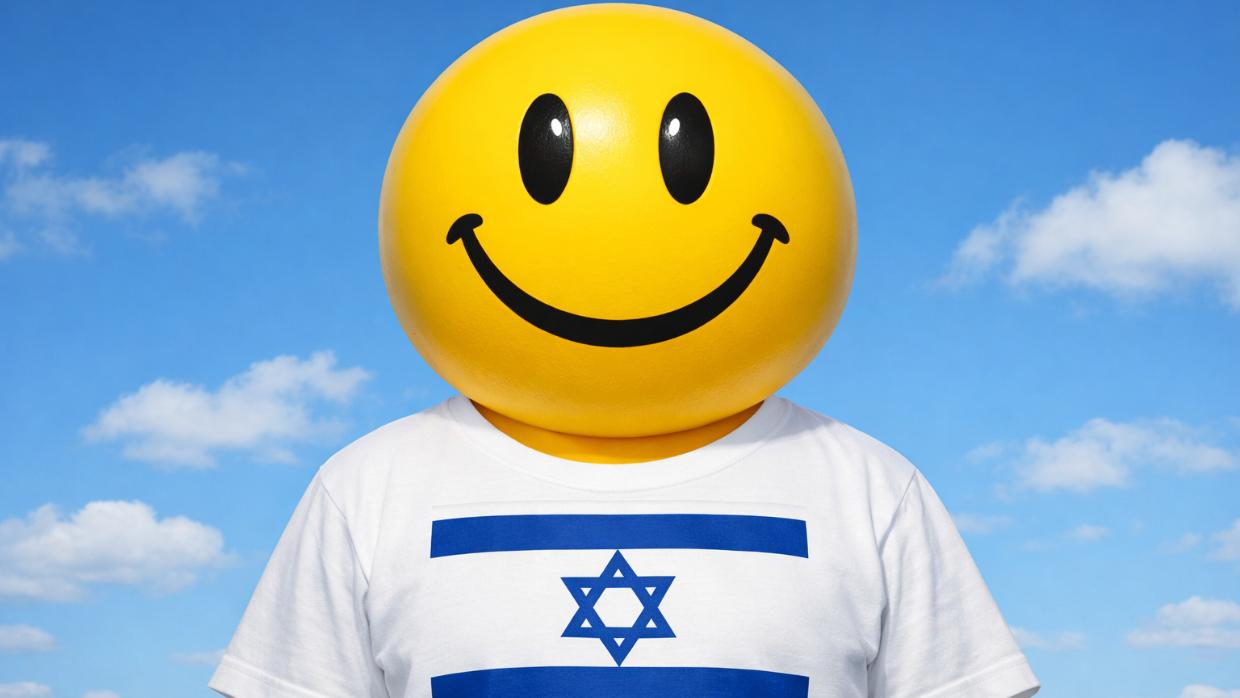
Israel is eighth on the 2026 World Happiness Report. The country is also at war, grappling with mass trauma and eroding public trust. Both things are true.
Published March 19, the annual report reveals a striking paradox: life satisfaction in Israel remains near the top globally, driven by what researchers describe as deep reserves of family, community, faith and belonging.
Young Israelis stand out most. Those under 25 rank third happiest in the world — while their American peers come in around 60th.
Yet the same report shows Israel rising from 119th to 39th globally in measures of worry, sadness and anger. Public trust in institutions is falling, with Israel dropping to 107th on corruption perception.
Why are Israelis so happy despite the threats?
Here's what the research and happiness economists generally point to:
Social bonds are exceptionally strong. Israelis have some of the tightest family and community networks in the developed world. In a crisis, people don't isolate, they show up for each other, and that social glue is one of the most powerful predictors of happiness globally.
Shared purpose and meaning. Israelis largely feel they are part of something bigger than themselves, a national story, a historic mission, a people with stakes in something that matters. Psychologists consistently find that meaning buffers against suffering in ways that comfort alone cannot.
Faith and religious life. A significant portion of Israeli society draws daily structure, community and hope from religious practice, which correlates strongly with wellbeing worldwide.
Israelis are wired for resilience. Decades of conflict, terrorism and existential threat have built what some researchers call a "siege mentality" that paradoxically functions as an emotional immune system. Israelis expect difficulty and are less destabilized by it than populations with no such conditioning.
March 23, 2026
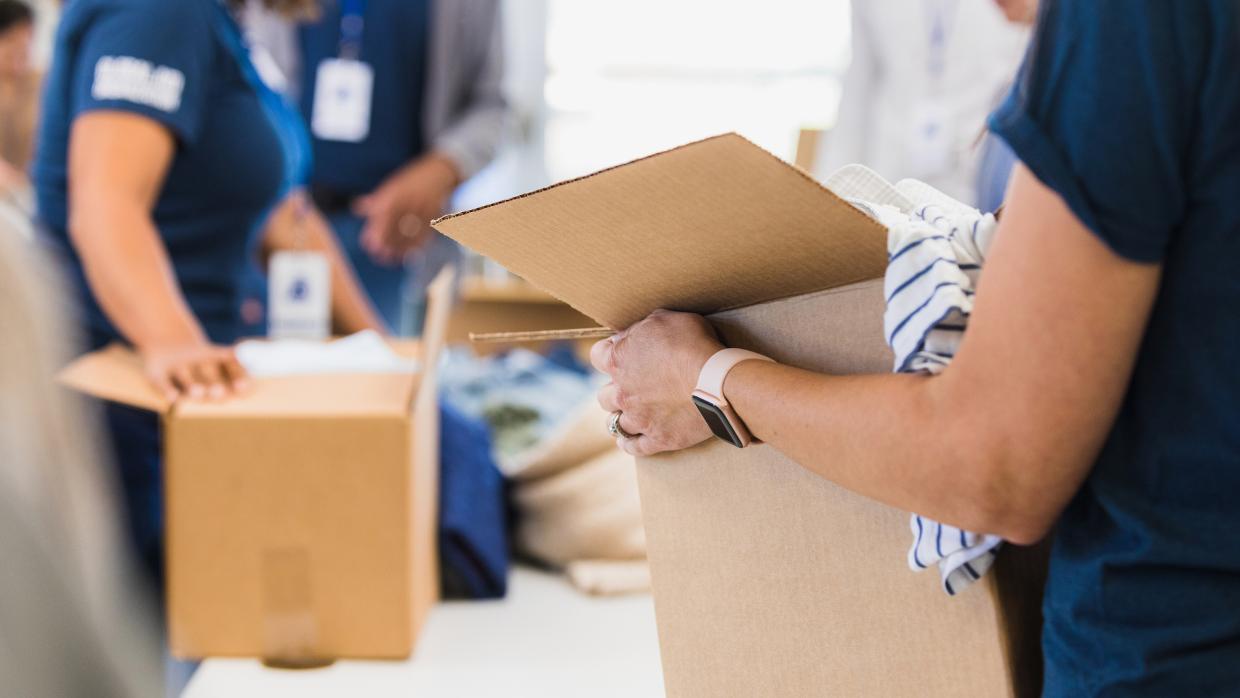
This week in Northern New Jersey, volunteers came together through the Jewish Federation to pack and distribute food boxes for local families in need—ensuring that dozens of households will have what they need for the week ahead.
At the same time, community members participated in volunteer drives preparing meals, delivering essentials to seniors, and organizing support for those going through difficult times.
These aren’t headline-making moments. There are no cameras, no big announcements. Just ordinary people choosing to show up for one another.
And yet, this is the foundation of Jewish life. Chesed—acts of kindness—has always been how our communities endure and grow.
In a world that often feels uncertain, these quiet acts remind us of something steady and enduring: we take care of each other.
And that may be the most powerful story of all.
March 18, 2026
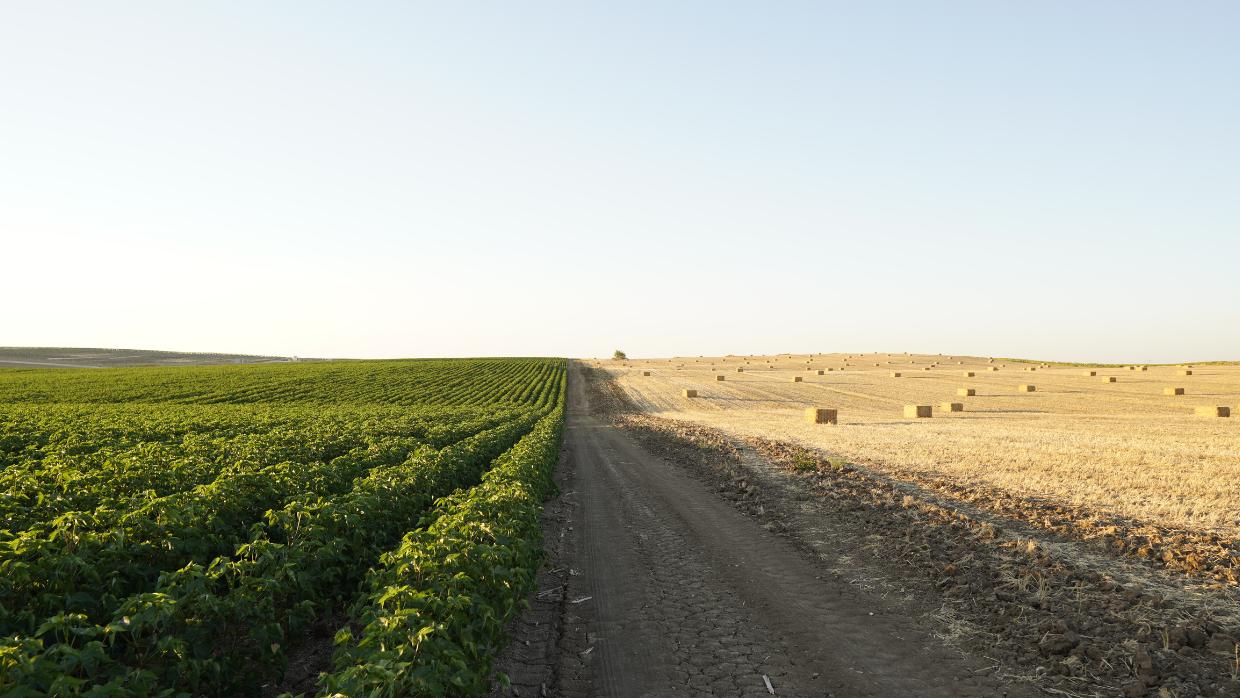
In Israel’s southern border regions, farmers are returning to fields that were damaged or abandoned during months of conflict and beginning to plant again.
With the support of volunteers and agricultural aid programs, communities near Gaza are replanting crops like wheat and vegetables, determined to restore what was lost and prepare for the next harvest season.
One farmer from the region shared simply: “If we don’t plant, we’re giving up. And we’re not giving up.”
For many, this work goes far beyond livelihood. It’s a statement of resilience, a refusal to abandon the land, their homes, and the future they believe in.
In Jewish tradition, planting is an act of deep faith. You place something small into the ground, trusting that, with time, it will grow into something far greater.
This week, that ancient faith is alive in the soil of Israel, row by row, seed by seed, hope is taking root once again.
March 15, 2026
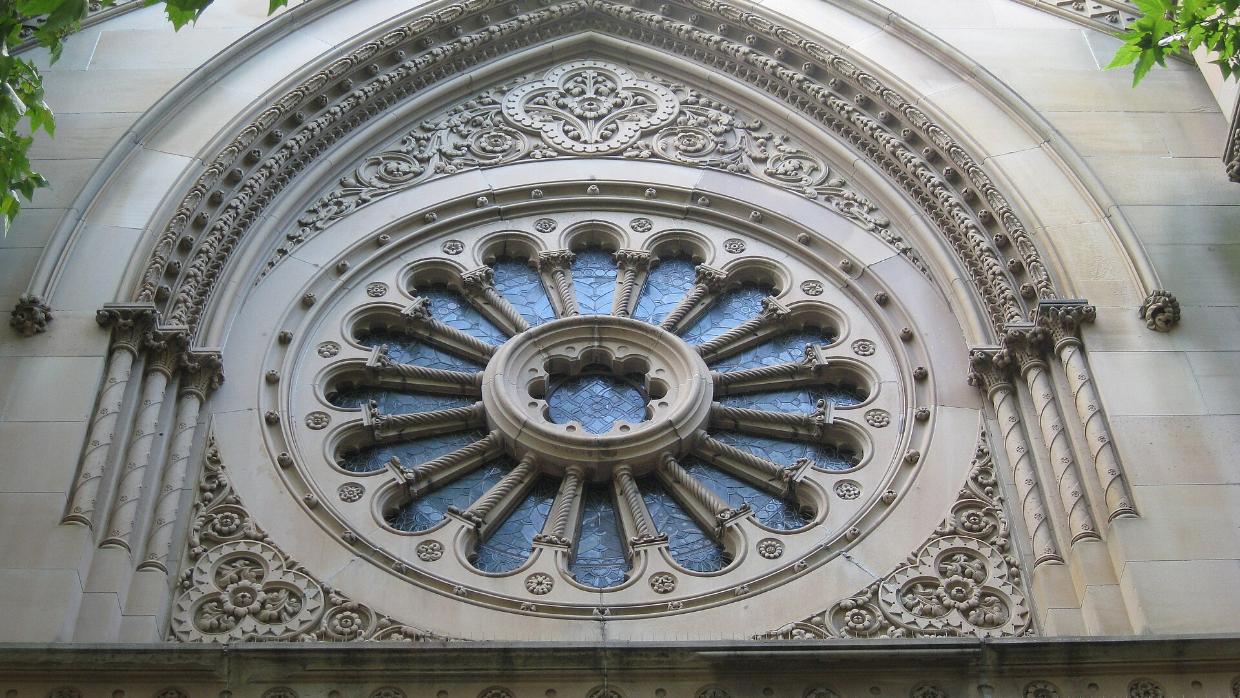
After more than two years of restoration, Sydney’s Great Synagogue—one of the most historic Jewish houses of worship in Australia—has reopened its doors.
First built in 1878, the synagogue has long stood as a symbol of Jewish life in Australia. The extensive restoration preserved its stunning architecture while renewing the space for future generations of prayer, learning, and community.
As the congregation gathered to reconsecrate the synagogue, the moment carried a deeper message: Jewish life endures. Across centuries and continents, our communities continue to rebuild, renew, and strengthen the places where Torah, tradition, and community thrive.
More than a building restored, it’s a reminder that the Jewish story, rooted in faith and resilience, continues to be written every day.
March 11, 2026
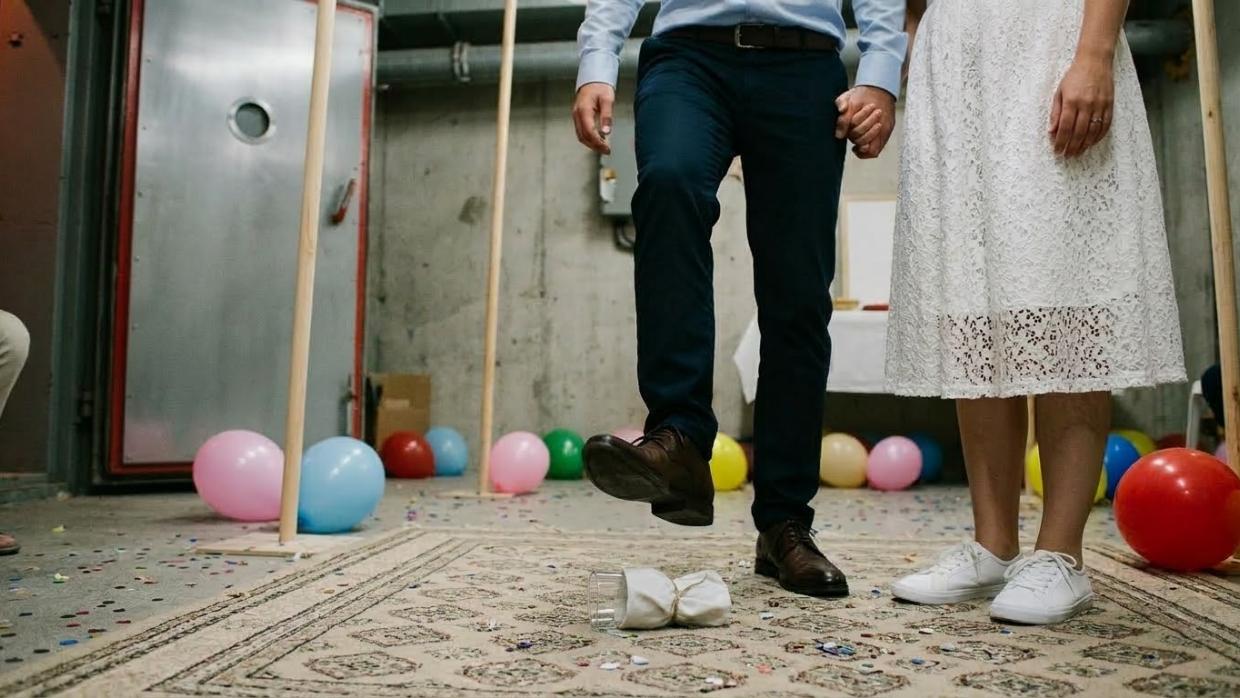
This week in Tel Aviv, Lior and Misha said 'I do' four floors underground in a bomb shelter turned chuppah space at the Dizengoff Center. Their original plans for a big celebration were upended by war and restrictions on gatherings—but they refused to let fear or rockets steal their joy. No fancy hall, no perfect weather—just pure determination, family, friends, balloons, dancing, and unbreakable spirit.
In the face of war, they chose joy. They chose life. They chose each other.
This isn't just a wedding; it's a powerful reminder that nothing—not even missiles—can break the Jewish will to celebrate, to love, and to keep building the future. Mazal Tov to the bride and groom!
March 8, 2026
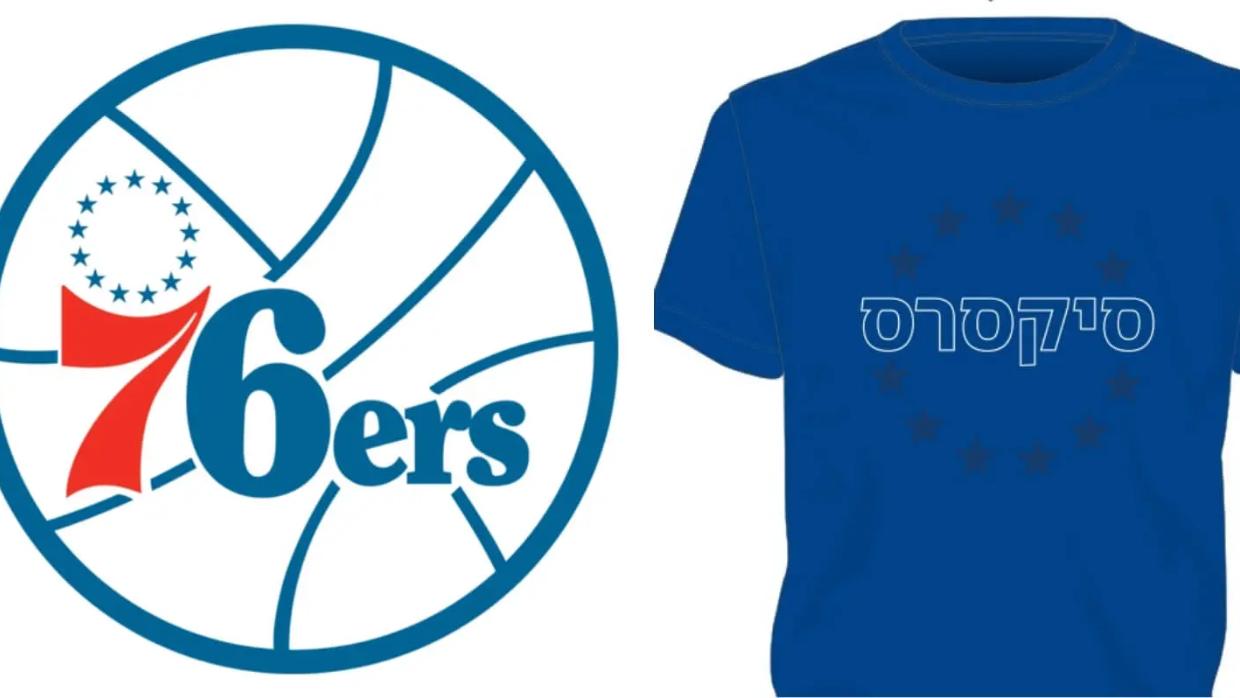
Jewish Community Night with the Philadelphia 76ers brought hundreds of Jewish fans together this week for an evening of basketball, connection, and celebration.
Organized in partnership with the Weitzman National Museum of American Jewish History, the event welcomed families, students, and community members who came out proudly to connect, cheer, and celebrate Jewish life.
Moments like this remind us that Jewish identity isn’t only lived in synagogues or classrooms—it’s alive everywhere: in culture, community, and even courtside at an NBA game.
From tradition to teamwork, it was a night that showed how Jewish pride can bring people together in the most unexpected places.
March 5, 2026
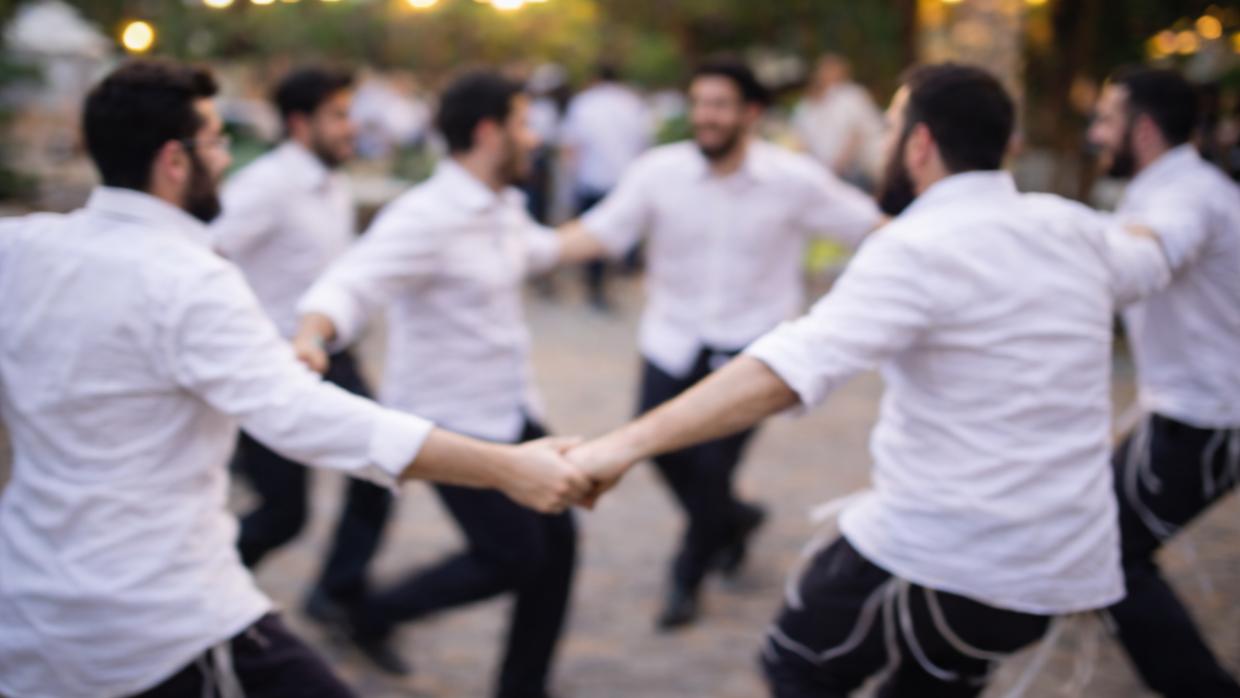
Nava and Elroi Bloom were not going to let a missile barrage stop their wedding.
The couple had planned to marry the Sunday before Purim. Then, after Shabbat, news came that Israel and the US had launched strikes against Iran, and Iran was retaliating. They refused to postpone.
They pivoted fast. Israeli government restrictions on large gatherings forced them to cut the guest list from 350 to 50. Parents sent WhatsApp notices apologizing for the change. The wedding hall was out. Instead: a friend's spacious home near Jerusalem, chosen partly because it had a bomb shelter big enough for everyone.
Good thing. Just as the couple stood beneath the chuppa, the missile sirens went off. Bride, groom, and guests ran for the shelter. When the all-clear sounded, they came back out and finished what they started.
The dancing that followed was pure joy. Guests celebrated to lively Purim songs as the newlyweds soaked it in. "It was a very happy wedding," one of the bride's grandmothers said. "Everyone was very happy for the couple."
There was something fitting about it. On Purim, Jews celebrate survival against an enemy who tried to destroy them. This couple had just lived that story in real time.
SHOW MORE GOOD NEWS
March 4, 2026
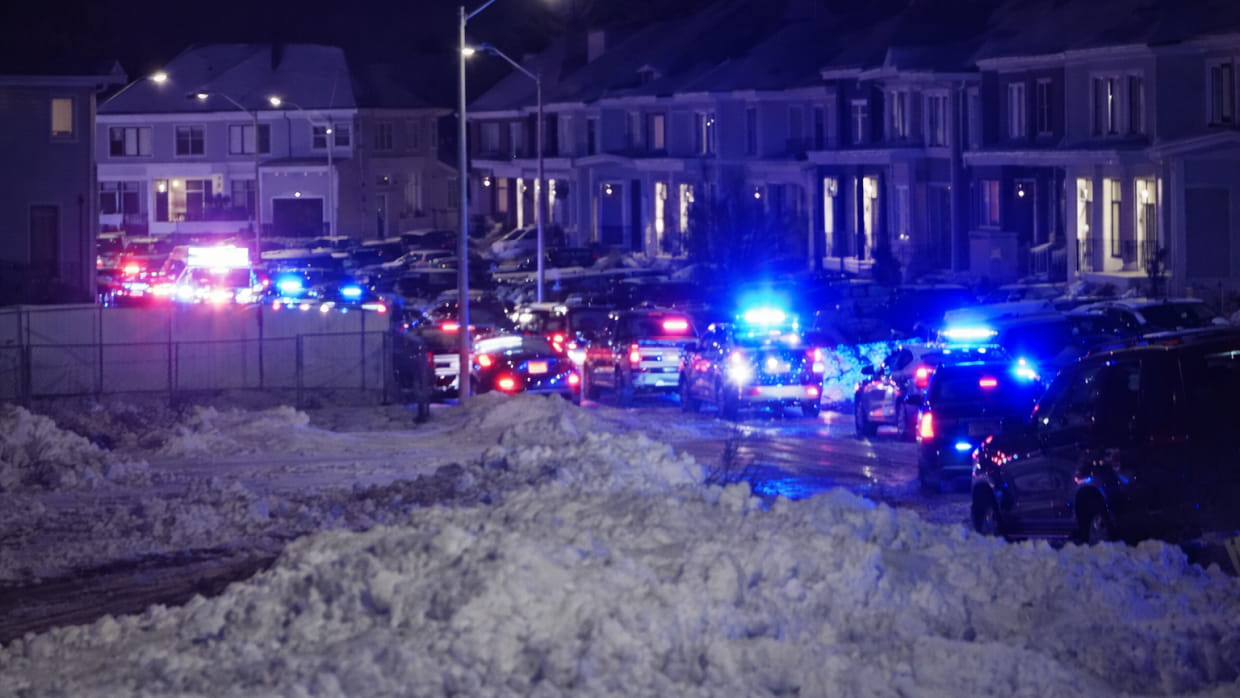
Just days after being trapped for over an hour beneath a collapsed snow igloo during a fierce blizzard, buried under heavy snow pushed by a plow in Lakewood, NJ, a young boy emerged unscathed, thanks to the quick response of first responders and what his family calls open miracles.
Thankfully, he was pulled out conscious and without injury. And now, in an outpouring of thanksgiving, he celebrated his Bar Mitzvah with pure joy. The highlight? The entire community joined in singing and dancing, reciting a psalm of gratitude traditionally recited on joyous occasions.
From the depths of a snowy grave to the heights of his coming-of-age milestone, this boy’s story reminds us: God's kindness turns darkness into light, and every breath is a reason to sing.
March 1, 2026
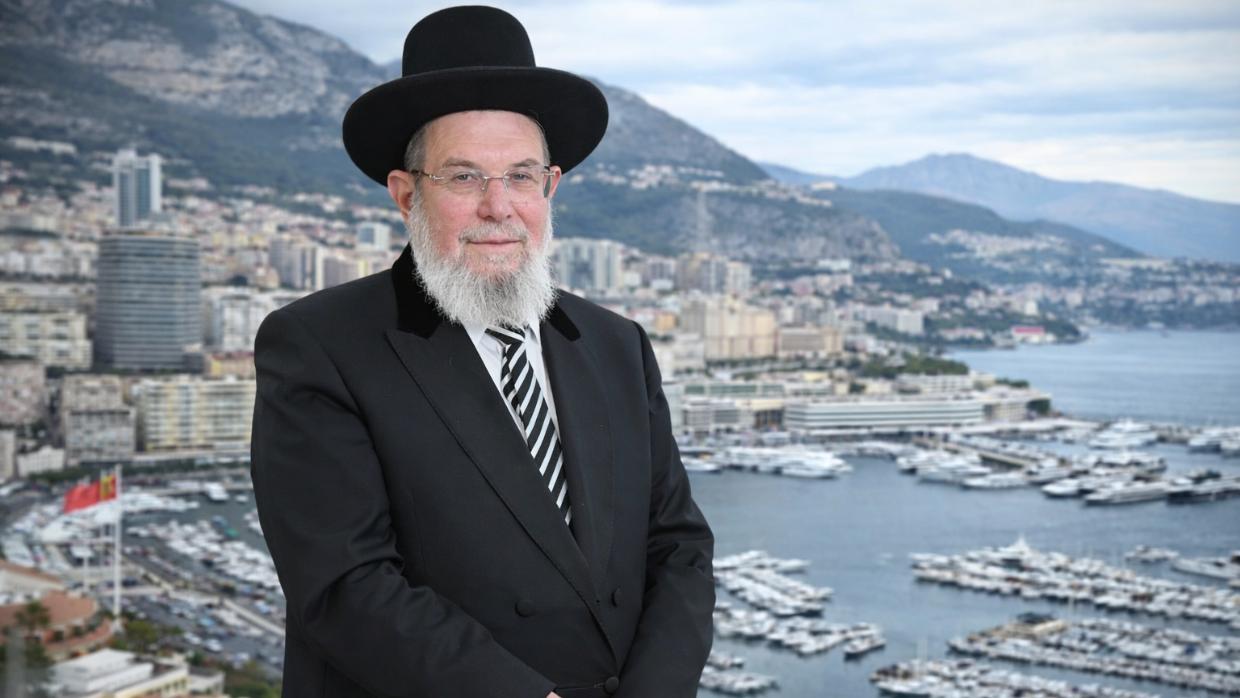
Israel’s Chief Rabbi, Kalman Ber, made a historic visit this week to the Jewish community of Monaco—a small but vibrant community whose spirit reflects the resilience and continuity of Jewish life around the world.
In meetings with community leaders and members, he spoke about unity, shared responsibility, and the enduring connection between Israel and Jewish communities everywhere. His visit was more than symbolic; it was a meaningful reminder that no Jewish community is too small or too distant to matter. Each one plays an important role in the larger Jewish story.
At a time when Jews around the world are navigating uncertainty and challenge, moments like these remind us of something deeper and enduring: we are one family. Across continents and cultures, we share a common Torah, a shared history, and a collective destiny.
From Jerusalem to Monaco and beyond, the message is clear—the Jewish story is still being written, together.
February 26, 2026

In the heart of the Negev region, amid challenges and ongoing healing from October 7, Israel is building something extraordinary: one of the country's largest AI data centers in Israel.
Partnering together, Serverfarm and the Israel Infrastructure Fund are teaming up with Dalia Energy to create a massive 130-megawatt server farm (with potential to grow to 200 MW). The initial phase alone is valued at about $1.5 billion, with billions more for cutting-edge equipment.
Right alongside it, a powerful new 850-megawatt natural gas power station—named Eshkol Avshalom in loving memory of Avshalom Haran from Kibbutz Be'eri, who was tragically murdered on October 7—will provide the reliable energy needed to fuel this tech powerhouse.
This project positions Israel firmly in the global race for AI leadership, ensuring our innovators have the infrastructure to lead the world in creativity and discovery.
Adding even more strength: Dalia has secured a license for a new underwater fiber optic cable linking Ashdod directly to Europe, enabling lightning-fast data transfer.
From tragedy comes tremendous resolve— Israel continues to innovate, remember our fallen heroes, and build a brighter, more connected future.
February 25, 2026
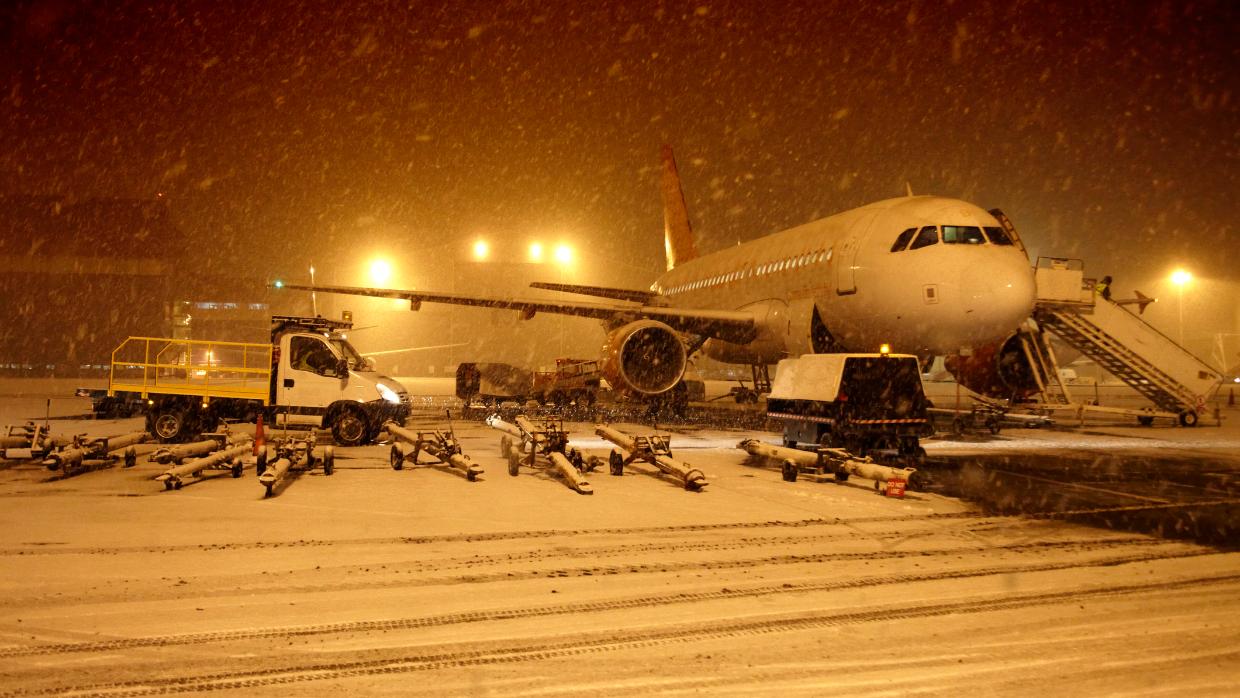
When a Delta flight from Tel Aviv to New York was diverted to Detroit Metropolitan Airport due to bad weather this week, the local Jewish community didn't hesitate. Within minutes of hearing the news, a group chat sprang up to coordinate hachnasat orchim—welcoming guests with open hearts.
Community members rallied to ensure no passenger went without a warm meal or a place to rest. Vendors whipped up kosher food (including dozens of pizzas, fries, sandwiches, snacks, and more), a collection covered costs, and volunteers even arranged a bus to transport weary travelers from the airport straight to the neighborhood for hospitality.
Even after Delta stepped in with free hotel vouchers, Detroit's Jews showed up at the airport anyway—arms loaded with food and smiles—to greet the stranded passengers with warmth and kindness.
In a moment of disruption, this outpouring reminded us all: The Jewish People are one nation with one heart.
February 24, 2026
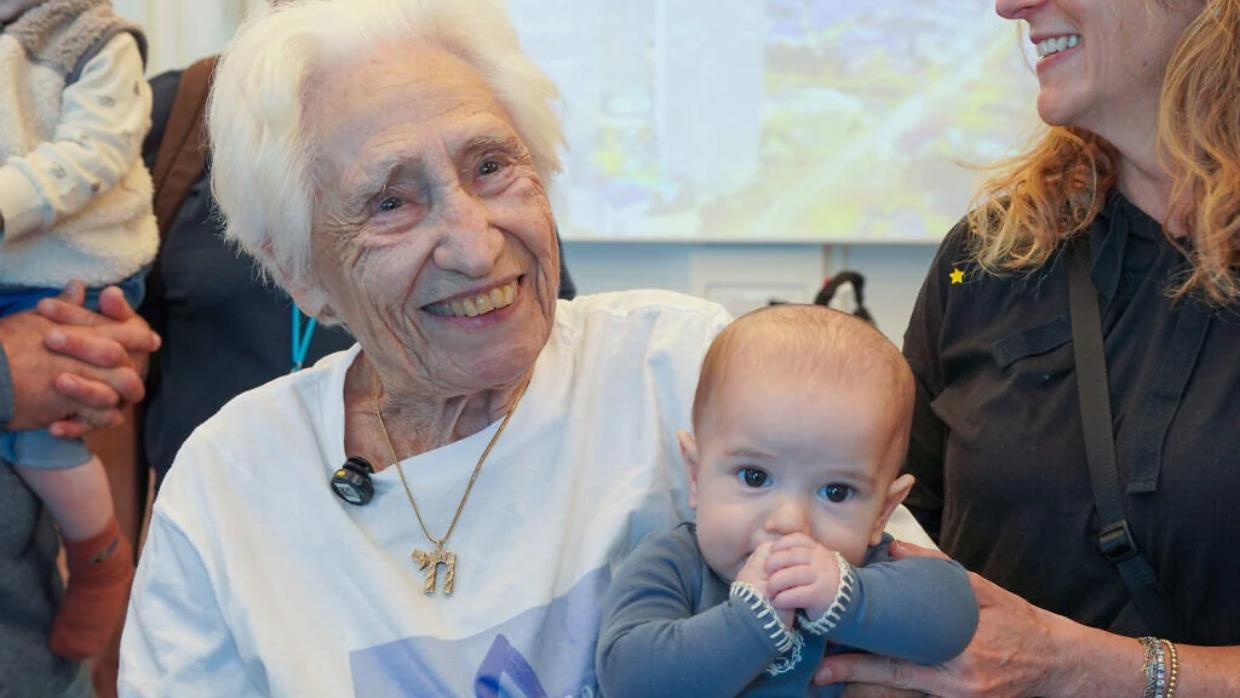
At 96 years young, Holocaust survivor Charlotte Roth of Cleveland just made aliyah — and when she received her Israeli ID card in Tel Aviv this week, surrounded by five generations of her family, she said it all in two words: "I won."
After surviving Auschwitz and building a full life in America, Charlotte has now joined her children, 9 grandchildren, 26 great-grandchildren, many of them proudly serving in the IDF, and 11 great-great-grandchildren, all thriving in Netanya.
A lifetime of resilience. A family that defied every odd. And a moment that captures the miracle of Jewish continuity more powerfully than any words could.
Am Yisrael Chai.
Featured Image by Nefesh b’Nefesh
February 22, 2026
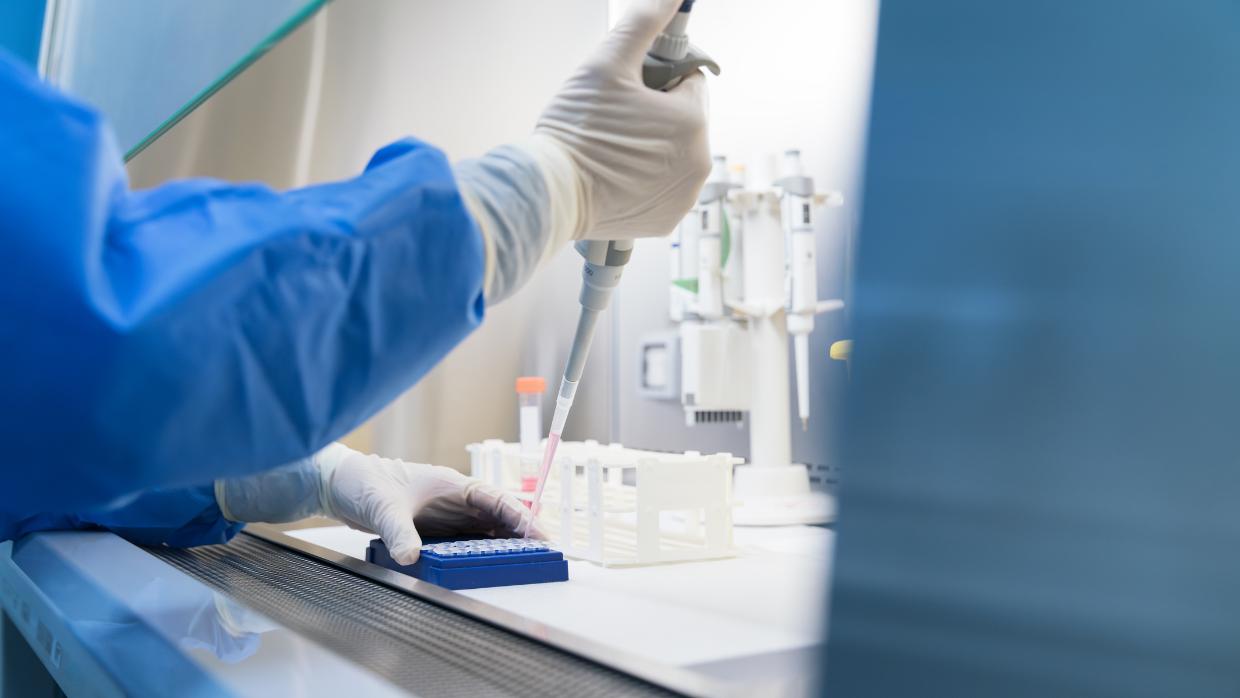
From regenerative implants to smarter therapies, Israel's innovation ecosystem keeps delivering life-saving advances.
Researchers from Haifa’s Technion University unveiled a breakthrough biological implant that could end daily insulin injections for millions with Type 1 diabetes by producing insulin inside the body without rejection.
Hebrew University discovered a tiny RNA molecule that bacteriophages use to combat bacteria, offering fresh hope in the fight against antibiotic-resistant "superbugs."
Just days ago, an Israeli team developed novel deep brain stimulation to counter schizophrenia symptoms, a potential new approach for mental health.
Israel's medical breakthroughs are cutting-edge, but their soul is ancient — rooted in pikuach nefesh, the Jewish principle that preserving life supersedes almost everything else.
February 19, 2026
Despite ongoing regional conflict, Israel's youth (under 30) placed second worldwide in life satisfaction according to recent Gallup findings—trailing only Lithuania.
Strong patriotism, a deep sense of purpose, close family and friend networks, genuine faith, and deeply rooted traditions are credited with driving this remarkable resilience.
In contrast to rising loneliness and stress reported among young people in many Western nations, Israel's young adults highlight the power of these enduring cultural anchors.
A striking example of what can sustain wellbeing even in challenging times.
February 23, 2026
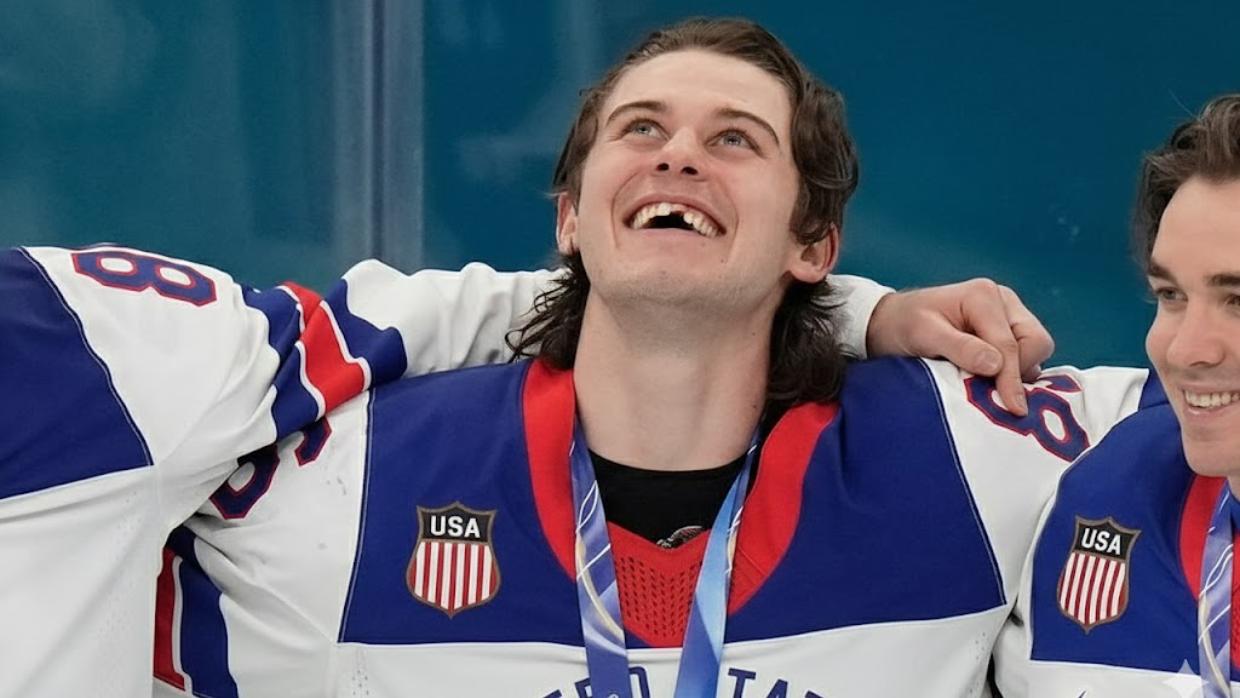
Mazel tov to Jack Hughes — our proud Jewish NHL star — who scored the overtime goal to give Team USA a thrilling 2-1 gold medal victory over Canada in men's hockey at the 2026 Winter Olympics.
It's the first U.S. men's hockey gold since the Miracle on Ice in 1980, and it was delivered by one of our own. Jewish hockey fans everywhere have never beamed brighter.
From bar mitzvah to Olympic hero — Am Yisrael Chai, and USA! USA! USA!
February 18, 2026
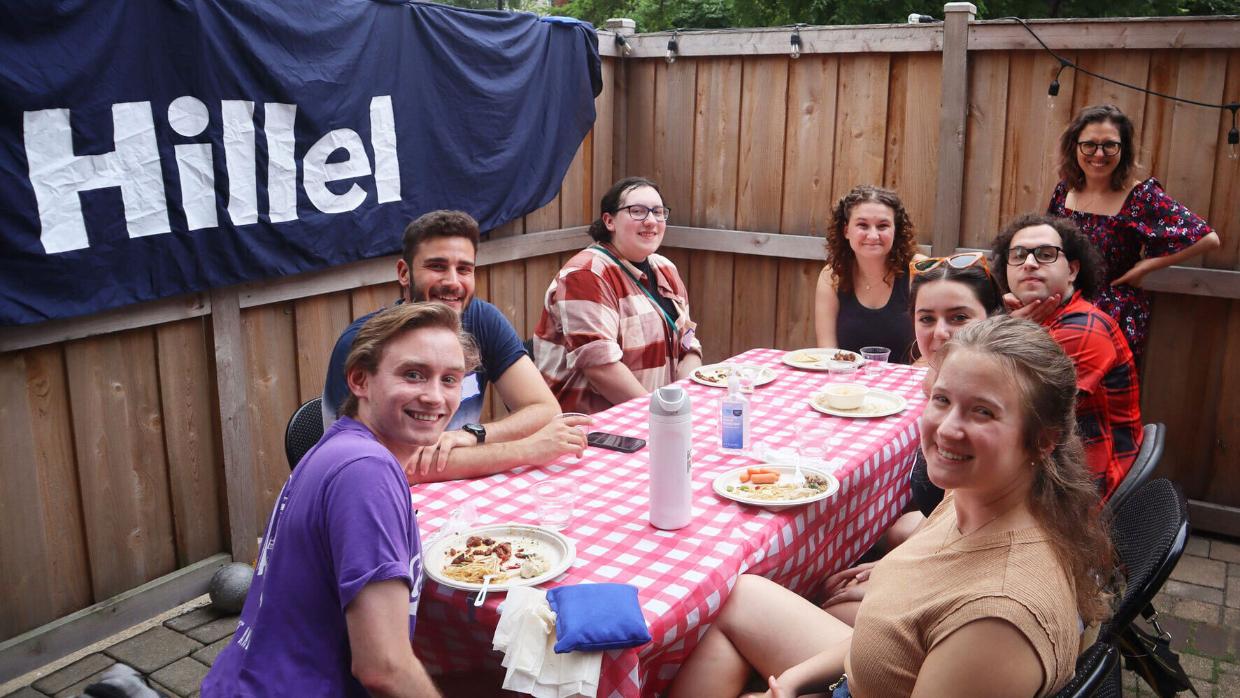
On university campuses around the world, Jewish students are choosing courage over quiet. Hillel chapters across major campuses report increased attendance at Jewish learning events and Shabbat dinners, even in hostile environments. They’re hosting packed Shabbat dinners, forming independent Torah study groups, wearing Star of Davids openly, and creating spaces of learning, friendship, and pride — even when it’s not always comfortable or easy.
These students are fulfilling the teaching of the Mishna in Ethics of the Fathers that says, “In a place where there are no leaders, strive to be a leader.” As Jews have done for generations, when challenged, you don’t disappear — you build, you gather, you learn, and you sing.
February 15, 2026
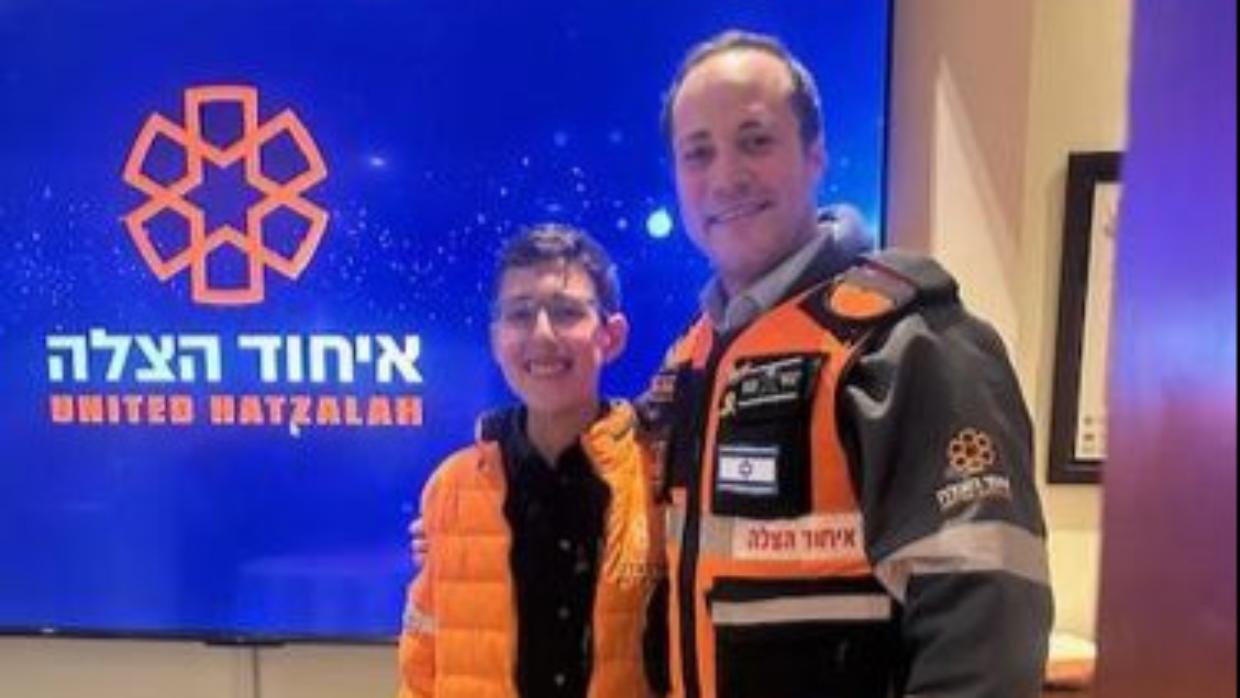
Mazel tov to Aiden Hunegs from Bloomfield Hills, MI. Despite his own severe allergies, he turned his Bar Mitzvah project into an incredible act of tikkun olam—raising $20,846 to donate 154 life-saving EpiPens to Israeli medics via United Hatzalah. The Mishna teaches: “The world stands on three things: Torah, service of God, and acts of loving-kindness.” One young person's kindness can truly save lives far and wide.
February 11, 2026
The 2026 Winter Olympics are here, and Jewish athletes are bringing the heat (on ice) like never before.
Team USA's men's hockey squad is stacked with Jewish stars making their Olympic debuts: brothers Quinn and Jack Hughes plus goalie Jeremy Swayman.
On the women's side? Aerin Frankel (Team USA's star goalie) and Kayle Osborne (Canada's backup netminder) are ready for action.
And then there's Israel’s historic first-ever Olympic bobsled team, led by the trailblazing Orthodox Jew A.J. Edelman—pushing Jewish sports to new heights.
From alpine slopes to the rink, Jewish pride is gliding strong this winter. As the Mishna teaches: "Who is strong? He who conquers his inclinations" — these athletes conquer gravity, doubt, and the cold every day.
February 10, 2026
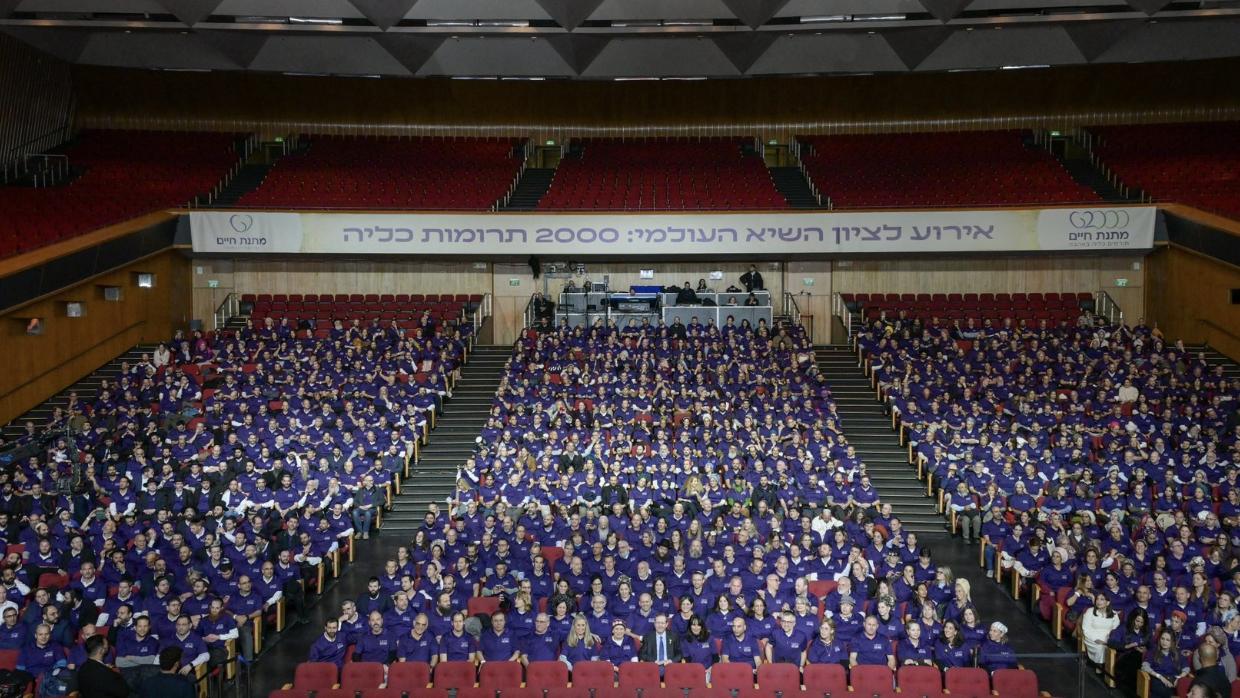
After reversing a temporary ban on submissions from Israel, Guinness World Records will now recognize Israel’s submission for the largest kidney donation ever.
The record marks more than 2,000 voluntary kidney transplants facilitated by Matnat Chaim (Hebrew for “Gift of Life”), a Jerusalem-based organization dedicated to life-saving donations. The milestone was celebrated this week at a ceremony in Jerusalem, honoring thousands of donors whose quiet acts of generosity have transformed lives—and are now receiving long-overdue global recognition.
February 10, 2026
Neuralink's Blindsight brain implant is gearing up for its first human trials in 2026—pending final regulatory approvals.
This device stimulates the visual cortex directly, bypassing damaged eyes or optic nerves entirely, to restore vision even in cases of total blindness (including from birth). It starts with low-resolution perception (think early video game graphics) but is designed to improve significantly over time, potentially offering enhanced capabilities down the line.
With 21+ participants already thriving on Neuralink's Telepathy implants for thought-controlled devices, the team is scaling up production and automation—bringing us closer to life-changing autonomy for the blind.






 America at 250: A Jewish Reckoning