 Jews Are a Fifth Column: A Libel as Old as the Pyramids
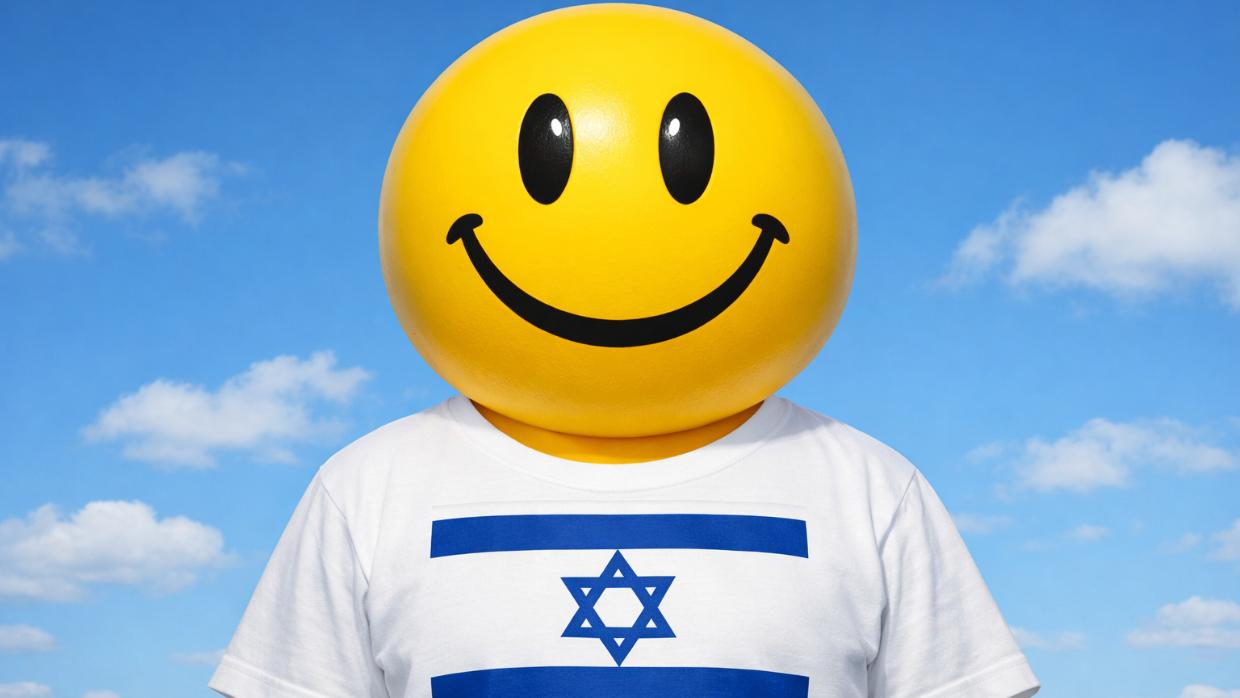







Israel is eighth on the 2026 World Happiness Report. The country is also at war, grappling with mass trauma and eroding public trust. Both things are true.
Published March 19, the annual report reveals a striking paradox: life satisfaction in Israel remains near the top globally, driven by what researchers describe as deep reserves of family, community, faith and belonging.
Young Israelis stand out most. Those under 25 rank third happiest in the world — while their American peers come in around 60th.
Yet the same report shows Israel rising from 119th to 39th globally in measures of worry, sadness and anger. Public trust in institutions is falling, with Israel dropping to 107th on corruption perception.
Why are Israelis so happy despite the threats?
Here's what the research and happiness economists generally point to:
Social bonds are exceptionally strong. Israelis have some of the tightest family and community networks in the developed world. In a crisis, people don't isolate, they show up for each other, and that social glue is one of the most powerful predictors of happiness globally.
Shared purpose and meaning. Israelis largely feel they are part of something bigger than themselves, a national story, a historic mission, a people with stakes in something that matters. Psychologists consistently find that meaning buffers against suffering in ways that comfort alone cannot.
Faith and religious life. A significant portion of Israeli society draws daily structure, community and hope from religious practice, which correlates strongly with wellbeing worldwide.
Israelis are wired for resilience. Decades of conflict, terrorism and existential threat have built what some researchers call a "siege mentality" that paradoxically functions as an emotional immune system. Israelis expect difficulty and are less destabilized by it than populations with no such conditioning.