





 When Did Thin Become the Measure of a Woman’s Worth?

8 min read
8 min read
11 min read





If a woman's weight doesn't define her willpower, why are we still allowing it to define her worth? An eating disorder expert on GLP-1s, beauty, and our daughters.
Jamie Geller's recent conversation with Dr. Yardena Bauer about GLP-1 medications raised an important and long-overdue point: weight regulation is far more complex than willpower. For too long, women have been made to feel that their weight reflects their discipline, character, or personal failures. Challenging that misconception is essential.
But as someone whose work focuses on eating disorder prevention and helping girls develop healthy self-worth and body image, I was troubled by another message that emerged.
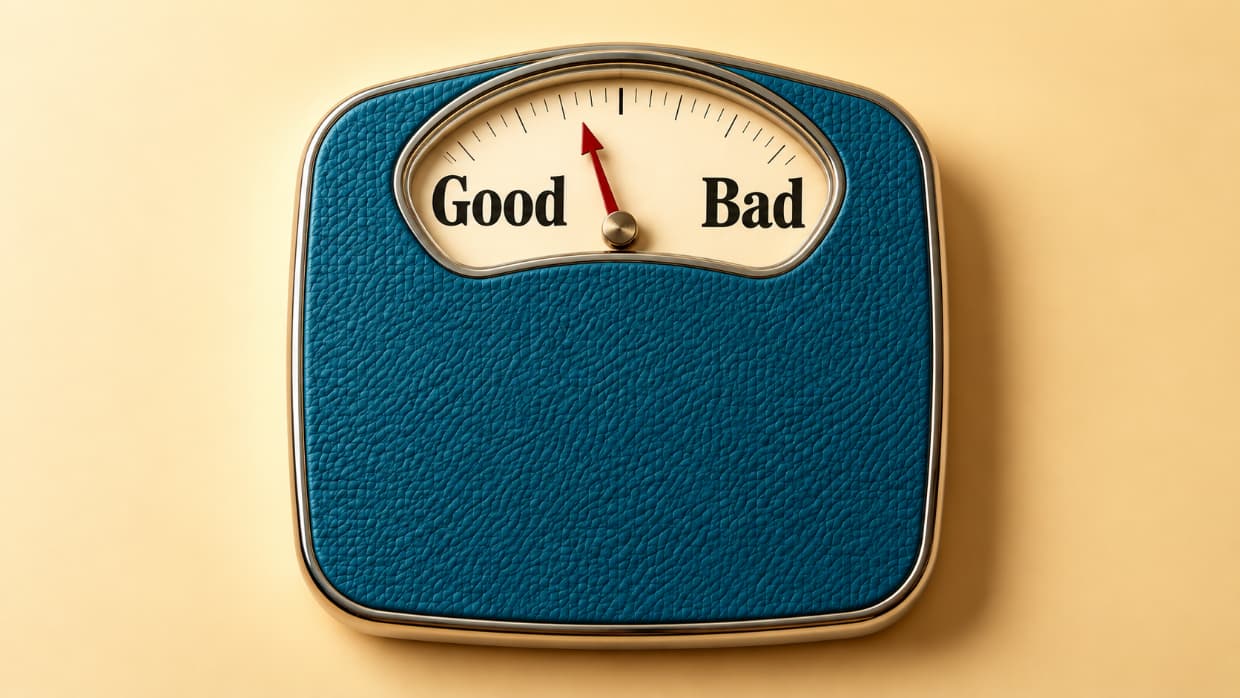
If we are finally acknowledging that a woman's weight does not define her willpower, why are we still allowing it to define her worth?
The suggestion we heard that becoming thinner will make women happier, more confident, or less jealous of others deserves scrutiny. While weight loss may improve how someone feels about her appearance, does it really eliminate insecurity, comparison, or the desire to be someone else or have what someone else has?
When did everything a woman has achieved, contributed, and become take a back seat to the number on a scale?
Perhaps most telling is that even women who are extraordinarily accomplished and admired can still look to their body size as a measure of their happiness or self-worth. Isn't that sad? When did everything a woman has achieved, contributed, and become take a back seat to the number on a scale?
As a community, we are increasingly questioning the pressure to create the perfect wedding, the elaborate Shabbos table, or the most impressive simcha, celebration. We recognize how easily the pursuit of perfection can overshadow what truly matters. Yet are we applying that same awareness to our bodies? If we are encouraging families to move away from unrealistic expectations and constant comparison, why are we simultaneously reinforcing the idea that women should strive for a particular body size? Isn't this another expression of the same pressure to appear perfect in order to feel worthy?
If the goal was to reduce shame surrounding weight, why did weight loss seem to emerge as the solution? Shouldn't reducing shame mean helping women recognize their worth regardless of body size, rather than reinforcing the belief that life will be better once they are thinner?
The discussion of beauty and Jewish values also deserves reflection. There is nothing wrong with wanting to feel beautiful. But when did beauty become synonymous with thinness?
Judaism teaches us to care for the body God has entrusted to us because it is the vehicle through which our soul, our neshama, fulfills its purpose. Caring for that body means respecting, nourishing, and protecting it, not measuring its worth against society's appearance ideals.
One troubling development is how GLP-1 medications are increasingly being treated not simply as medical interventions, but almost as beauty products. For some women, the question no longer seems to be whether there is a medical reason to take them, but why they wouldn't use them if they could become thinner.
These medications have legitimate, sometimes life-changing medical benefits. Yet the podcast's overwhelming enthusiasm made it feel less like a balanced educational discussion and more like an endorsement of them.
Yes, muscle loss and weight regain were mentioned. But what about other serious potential complications, including gallbladder disease, pancreatitis, dehydration, and inadequate nutrition? What are the implications of long-term use, particularly without a medical indication?
And while weight regain after discontinuation was acknowledged, its significance seemed minimized. In the STEP 1 trial extension, participants regained, on average, approximately two-thirds of their previous weight loss within a year of stopping semaglutide. The prospect of ongoing treatment, or substantial regain after stopping, deserves more than passing consideration.
There is another consequence of this messaging we cannot overlook: our children are listening.
In our community work, we are hearing concerning reports of young girls using GLP-1 medications to lose relatively small amounts of weight, sometimes without appropriate medical oversight. We are seeing the risks of inadequate nutrition and even malnutrition in developing girls, whose bodies require sufficient nourishment for healthy growth, bone development, and hormonal functioning. We also lack adequate long-term evidence about the effects of these medications across adolescence and into adulthood.
Although pediatric use was not addressed in the podcast, its messages do not stop with adults.
Girls are watching their mothers, teachers, and other influential women turn to weight-loss medications, sometimes to lose just 10 or 15 pounds. They hear adults celebrating smaller bodies and describing how much better they feel about themselves.
At the same time, we are trying to teach these girls that their worth is not determined by their appearance.
How do we reconcile those messages?
When thinness becomes increasingly accessible, and seemingly expected, what happens to the girl who is naturally in a larger body? What happens to the girl who believes that if she can change her body, she should? That becoming thinner will somehow make her happier, more popular, more accomplished, or more valuable?
This is not an argument against GLP-1 medications or a judgment of women who use them. It is a call to recognize that the messages surrounding these medications matter, particularly as we confront body dissatisfaction and eating disorders among our youth.
At Atzmi, we work to help girls develop self-worth, self-compassion, and respect for their bodies. But those lessons become difficult to reinforce when the adults around them suggest that becoming smaller is the pathway to becoming happier, successful, and more valuable.
If we truly want to free women from weight-related shame, we must stop treating thinness as the solution to it.
There is much we can do to help our daughters develop a healthier relationship with themselves and their bodies. Begin by paying attention to the messages they hear at home. Speak about bodies with respect rather than criticism, including our own. Celebrate our daughters for their character, kindness, efforts, and accomplishments rather than appearance. Help them appreciate their bodies for what they allow them to do, not simply how they look, and teach them to respond to imperfections with self-compassion rather than criticism. Most importantly, model that caring for our bodies is an expression of gratitude to Hashem and responsibility, not a pursuit of thinness.
These are just a few ways to change the conversation. For additional guidance and practical resources, visit atzmi.org.
If we truly want to free women from weight-related shame, we must stop treating thinness as the solution to it.
And if we want our daughters to recognize their inherent worth, we must be mindful of what the women they admire are teaching them about theirs.