 The God Factor: From the Exodus to the Iran War



4 min read


4 min read


Antisemitism, war, fear and uncertainty, and a Seder night designed for exactly this moment. Here's how to find meaning, courage and faith at your table.
On Passover night we journey back to Egypt and discover that the Haggadah is speaking directly to us, right now. We can discover our roots, our resilience and what it means to live as a proud Jew in a world of rising antisemitism. The Haggadah reminds us what we stand for — and what we must stand up for.
Here are three thoughts to spark your Seder table.
The Jewish people in Egypt were drowning in despair. Many wondered if their suffering would ever end. Overwhelmed by slavery, there was a creeping sense of hopelessness.
Look around you today. Since October 7th, Jews across the world have faced attacks that once seemed unimaginable. We don't feel safe. In Israel, sirens pierce the night, missiles fall, and children have made bomb shelters their second home.
How do we hold onto faith?
The Haggadah guides us to say "Baruch HaMakom" — Blessed is the Place (referring to God). God has many names, so why on Seder night do we use this one? HaMakom literally means "The Place" or "The Space." When someone sits shiva after losing a loved one, we use this same name as we offer comfort. The message: when you feel utterly alone, God fills your space. You are being watched over with love.
We are all asking, "Where is God now?"
If we open our eyes, we will find His hand in the darkness, though we may need night-vision goggles to see through it. Loss of life is tragic, and the innocent deaths and trauma of war are real and devastating. And yet: Israel has been bombarded with weapons that should have caused catastrophic destruction. Our pilots flew over enemy territory and came home. Thousands of rockets have fallen, and the mass casualties they could have caused never materialized. Jews of every background have discovered a strength within themselves they never knew existed.
This Seder night, look for the hidden hand of God in your own life.
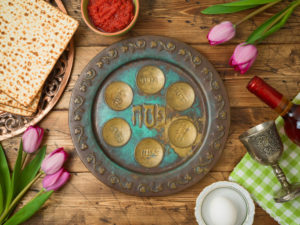
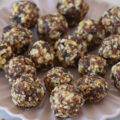
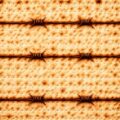
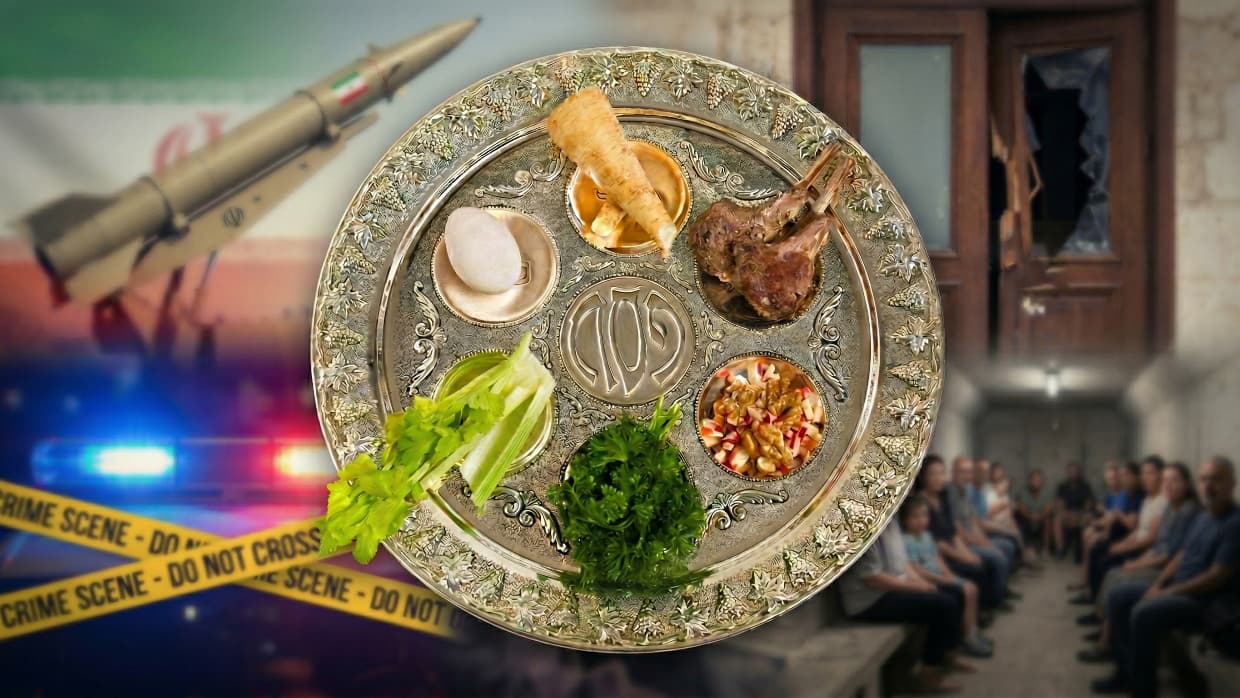
At the Seder we eat a sandwich of matzah, maror (bitter herbs) and haroset (a sweet mixture of fruit and nuts). There is wisdom in this ritual.
Maror represents the bitterness of slavery in Egypt, the heartbreak and pain of each punishing day. But the Seder is not only about recalling the past. It is our chance to live the present with clarity.
Each of us has a taste of maror on our lips right now. Perhaps it's the vicious blood libels that famous podcasters spread to millions. Or the massacre in Bondi Beach. The truck packed with explosives rammed into a Michigan synagogue while children played inside. The ambulances set on fire outside a London synagogue. Our people in Israel facing enemies who want to annihilate them. More bitterness to swallow.
We can grow tired. We can grow bitter.
But the Seder gives us a formula for overcoming hurt. When all you see is pain, you become your pain. When bitterness takes over, you become a bitter person. Don't let that happen. Take your maror and cover it with sweet haroset — your moments of blessing, your gratitude for being part of this remarkable people. Then wrap it all in matzah, the bread of faith. Live with courage.
This Seder night, grow better, not bitter.
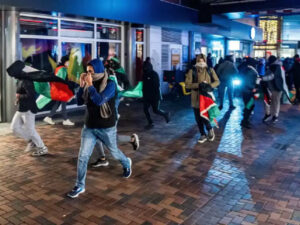
We lift our cup of wine and declare: "In every generation they rise against us to annihilate us, and God rescues us from their hands." We act as though the hatred is new, shocked when mobs march against us, chant for our destruction, praise terrorists and blame every ill on the Jews. But antisemitism wrapped in the language of anti-Zionism is still antisemitism, just in a different package.
None of this is new. Travel back thousands of years and you will find the same story. In every generation, evil convinces itself that this time it will finally snuff out our light.
It never does.
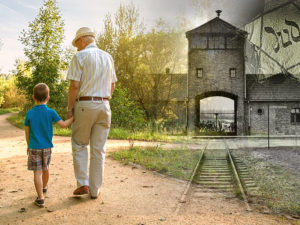
We have been expelled, conquered, burned, gassed and massacred. We are still here. After the crematoria, a nation returned to its land. We rebuilt. We grew. We turned despair into hope.
We must be brave and claim our truth. We must never grow indifferent to who we are. We are a living testament to the strength of our faith and our eternal covenant with God.
This Passover, raise a glass to everyone at your table, to Jews around the world who refuse to disappear, and to a living God who has never stopped watching over His children.