 The BBC Broke Her Because She’s a Jew

5 min read
9 min read
11 min read





A federal judge sentenced a young woman with an addiction to 18 months. What he told her in that courtroom stayed with her for years and reshaped her future.
In 2012, Alexa, a young woman struggling with drug addiction, stood before a federal judge in New York awaiting sentencing. He gave her 18 months in prison, calling it one of the hardest decisions of his career. Then he told her something she never forgot: he believed in her. She could overcome her struggles, and a bright future was waiting for her.
He sent her to prison and, in the same breath, told her he believed in her future. He held her accountable without giving up on her.
Alexa served her time, earned a master’s degree, landed a respected position in New York State government, and built a family. When the judge died last week, she wrote: “He changed my life. My time in prison is exactly what I needed and I was indeed able to have a bright future.”
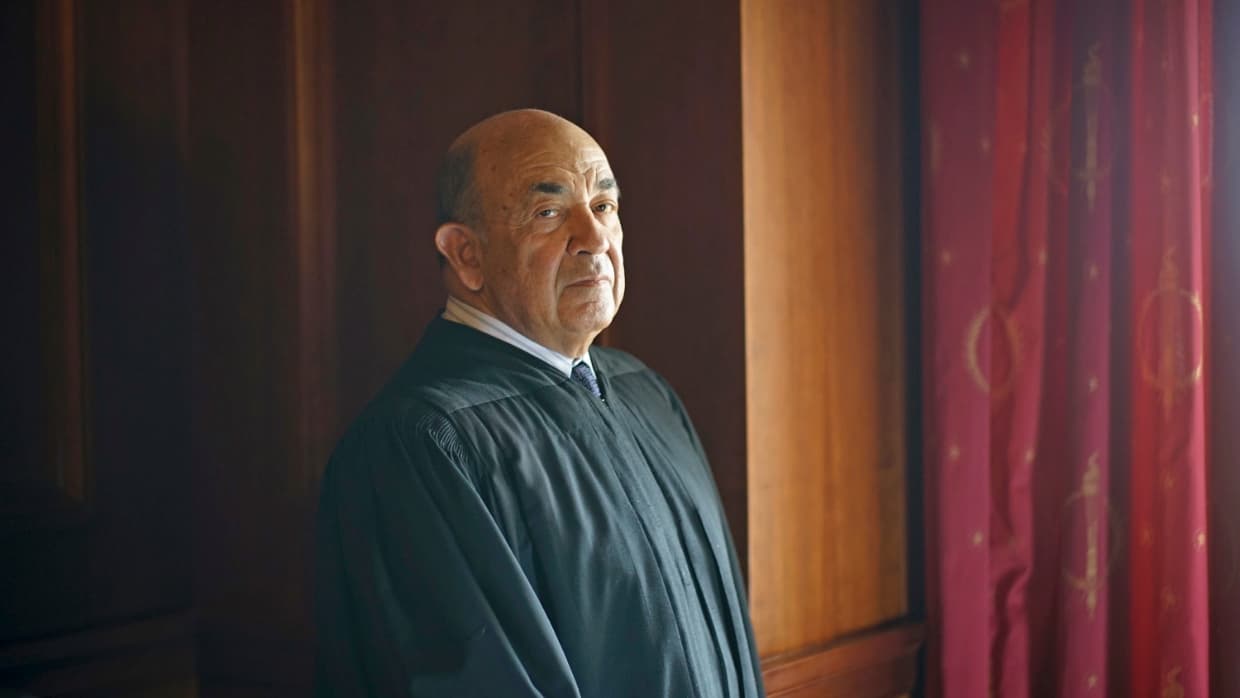
The judge was Alvin K. Hellerstein, my brother-in-law’s father, who died at 92. Al, as I knew him, served nearly three decades as a federal judge in the Southern District of New York, presiding over cases including litigation arising from September 11 and the recent criminal case against Venezuelan leader Nicolas Maduro. But the lesson I want to share isn’t about his career. It’s about something he understood that we all need to learn.
Sometimes love means saying no. Sometimes caring means holding someone accountable. And sometimes believing in someone means refusing to give up on who they can become.
Sometimes love means saying no. Sometimes caring means holding someone accountable. And sometimes believing in someone means refusing to give up on who they can become.
As family, I knew Al as kind and generous with compliments, and also honest with feedback. His praise meant something because you knew it was real.
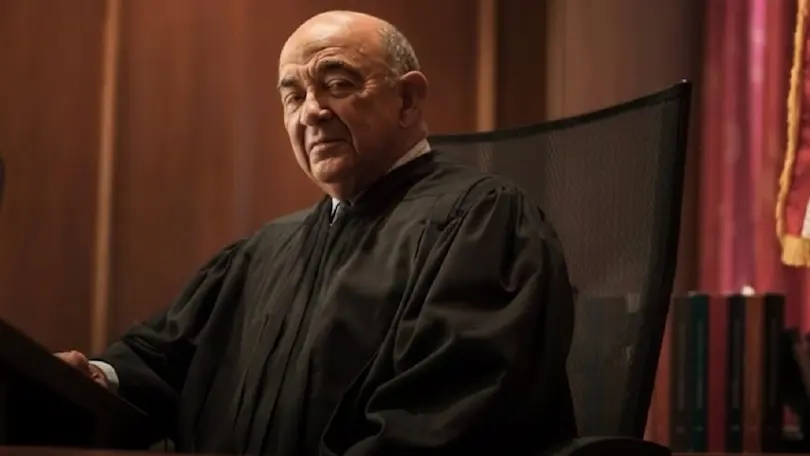
When we interviewed him on our podcast, Behind the Bima, he said that when sentencing someone, he reminded himself the defendant was created by God, just as he was. “I’m punishing him not as a bad person, because he’s not, but for the bad things he does.”
We can reject someone’s behavior and still embrace the person.
Al scheduled sentencing hearings on Friday mornings so he’d have Shabbat to reflect on them. Too harsh? Too lenient? He never felt completely sure he’d gotten it right. Taking away someone’s freedom weighed heavily on him.
In his chambers hung the words צֶדֶק צֶדֶק תִּרְדֹּף, “Justice, justice shall you pursue” (Deuteronomy 16:20). His favorite explanation for the repetition: we don’t always know where justice lies. We have to search for it, and never assume that authority means knowing what’s right.
Al’s Hebrew name was Avraham. We associate the biblical Abraham with chesed, kindness, his tent open to strangers. But God says He chose Abraham because “he will command his children and his household after him, that they shall keep the way of God, to do righteousness and justice” (Genesis 18:19).
The way of God is tzedakah u’mishpat, kindness and justice together. Kindness without justice slides into enabling. Justice without kindness becomes cruelty. Al lived that balance. He could praise and criticize, encourage and challenge, and sentence Alexa to prison while telling her he believed in her.
That’s a lesson for every parent, spouse, teacher and friend. We confuse love with approval and kindness with giving people what they want. We fear that boundaries or a firm no will damage the relationship. But shielding people from the consequences of their choices can rob them of the chance to grow.
The Talmud (Sotah 47a) teaches: “Let the left hand push away while the right hand draws close.” The Kotzker Rebbe, a 19th-century Hasidic master, explained: push someone’s shoulder with your left hand while pulling them in with your right, and you turn them around. The goal is to redirect them. Discipline expresses our belief that the person can grow.
And it’s the weaker left hand that pushes, the stronger right hand that draws close. Our love must be stronger than our discipline. Tough love is never an excuse for anger or control, and not every mistake calls for punishment. But real love includes expectations and accountability, always paired with the reassurance that we believe in the person.
The same is true of God, the ultimate Judge, who is also Av HaRachaman, our compassionate Father. His love doesn’t mean He gives us what we want or spares us pain.
Sometimes life feels like a prison, full of challenges we didn’t choose and can’t escape. We pray for the doors to open, and they stay shut. If God loves me, why won’t He let me out?
Sometimes love means giving us what we need, not what we want. We can’t claim to know why God sends particular challenges, and we should never tell someone who is suffering that they deserve it. But emunah, faith, means trusting His love even when we can’t understand His judgment.
What moves me most about Alexa’s story is that Al didn’t just sentence her and walk away. He made sure she knew he believed in her. Maybe that’s what we need to hear from the ultimate Judge too. When we feel stuck, the Judge who put us there is also our Father, and He is still with us.
Every morning, in the traditional prayer said on waking, Jews say רַבָּה אֱמוּנָתֶךָ, “Great is Your faithfulness.” Hasidic masters note that emunatecha literally means “Your faith.” The phrase speaks of our faith in God, and also of His faith in us. He returns our soul each morning because He believes in what we can still accomplish. Every morning, God tells us what Al told Alexa: I believe in you. You have a future. Your mistakes don’t define you.
Alexa came to see that what felt like the end of her future was the beginning of a new one. We don’t always get that clarity. But God’s love is present even when His plan is hidden.
I’m grateful to have known Al. May we learn from him to practice tough love when it’s needed, always making sure the people we love know we believe in them. And when life hems us in, may we remember that His tough love is still love. Even when we struggle to believe in ourselves, He never stops believing in us.
Sometimes the Judge who says no is the One who believes in us most.