



 My Endorsement

8 min read
7 min read
8 min read




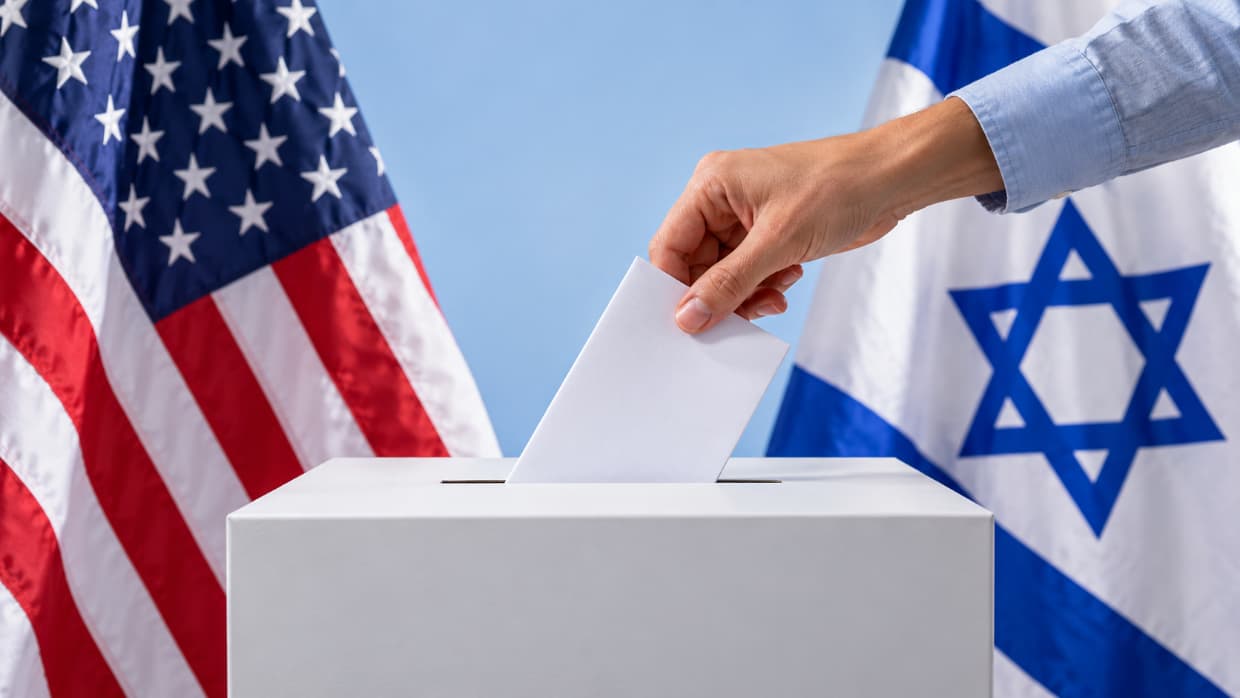
Two elections, in Israel and America, one week apart, and everyone wants to tell you how to vote. A rabbi makes his endorsement, and it’s not who you’d expect.
November 3. And everyone, from pundits and podcasters to the family WhatsApp chat and the synagogue lobby, is sure they know exactly how you should vote.
Strong political opinions are fine. So is campaigning, advocating, and trying to persuade others. But there’s a difference between trying to convince someone and assuming that anyone who disagrees with you is foolish or morally compromised.
Abraham, the father of the Jewish people, left many legacies: belief in one God who demands that we live moral lives, and a deep commitment to kindness. But above all, he was an original. He grew up surrounded by idol worshippers, including his own father, and refused to accept something just because everyone else believed it. He questioned, searched, and found the truth for himself. He was willing to stand alone, not to be different, but to be right.
When God told him “Lech lecha – go for yourself,” it was more than a travel instruction. The Slonimer Rebbe, a 20th-century Hasidic master, explains that it was a charge to discover who he was and what he was meant to do. Family, community, and teachers shape us, and we should be grateful. But they can’t define us. If you spend your life imitating someone else, you might succeed at being them and fail at being you.
That’s why, Rabbi Menachem Bentzion Sacks explains, the first blessing of the Amidah, Judaism’s central prayer, ends with “Magen Avraham – Shield of Abraham.” God protects the Abraham inside each of us: the courage to think independently and to trust the divine image we were created in. Our individuality lives within the boundaries of Torah, but within those boundaries there’s plenty of room for each of us to be ourselves.
Thinking for yourself doesn’t mean refusing to listen. It means not letting others do your thinking for you.
Yet Abraham was no lone wolf. According to Rashi, the classic medieval commentator, he asked his friend Mamrei for advice about circumcising himself, even though God had commanded it. Thinking for yourself doesn’t mean refusing to listen. It means not letting others do your thinking for you.
And when God revealed He would destroy Sodom, Abraham didn’t celebrate. He pleaded for its people. He rejected their behavior but never stopped caring about them. Deep conviction doesn’t require arrogance.
That’s a lesson we badly need during election season.
I don’t believe rabbis and Jewish organizations should endorse candidates. Our job is to articulate values and encourage people to be informed. The exception is when a candidate promotes antisemitism or threatens Jewish safety. Concerns about figures like Zohran Mamdani, Abdul El-Sayed, and more recently in our own district in Florida, Oliver Larkin, deserve serious scrutiny based on their statements and records. Antisemitism isn’t just another political disagreement. It must be confronted publicly and forcefully.
But most races are more nuanced. In our own congressional race, both candidates are pro-Israel. People who love Israel equally can weigh experience, character, and policy differently and land in different places. Still, people keep asking me, “Rabbi, who are you endorsing?”
So here’s my endorsement: I endorse you.
Do your homework. Research the candidates and the issues. Don’t vote a certain way because your family always has, because your neighbors are, or because of lawn signs, a commentator, an algorithm, or even your rabbi. Listen to people you respect, stay open to changing your mind, and then decide.
If you feel strongly, advocate. Volunteer, make calls, make your best case. But aim to inspire, not to shame. The person listening may understand you perfectly and still disagree. Not every position is equally legitimate, and some moral lines can’t be crossed. But too often we treat differences in political judgment as differences in moral character. That doesn’t persuade anyone. It just damages relationships and weakens our community.
In the voting booth, you’re alone with your conscience. When you walk out, the people who voted differently are still your friends, family, and fellow Jews. We’ll still pray together, celebrate together, and comfort one another. The election matters. So do our relationships.
This goes beyond politics. How often do we choose a path because everyone else is on it? God doesn’t need another copy of someone else. He already has that person. He needs you.
Finally, the most important message of all: vote.
In 1984, Rabbi Moshe Feinstein, the leading Jewish legal authority of his generation, wrote a famous letter urging American Jews to vote. America gave us a safe haven and religious freedom, and Judaism teaches hakaras hatov, gratitude for the good we receive. Voting is how we express it. And while each ballot is private, turnout by neighborhood is public. A community that shows up gets heard.
So study the issues, make your own decision, respect those who decide differently, and don’t sit this one out.
I endorse you. Go vote.