







 What Repentance Really Means in Judaism
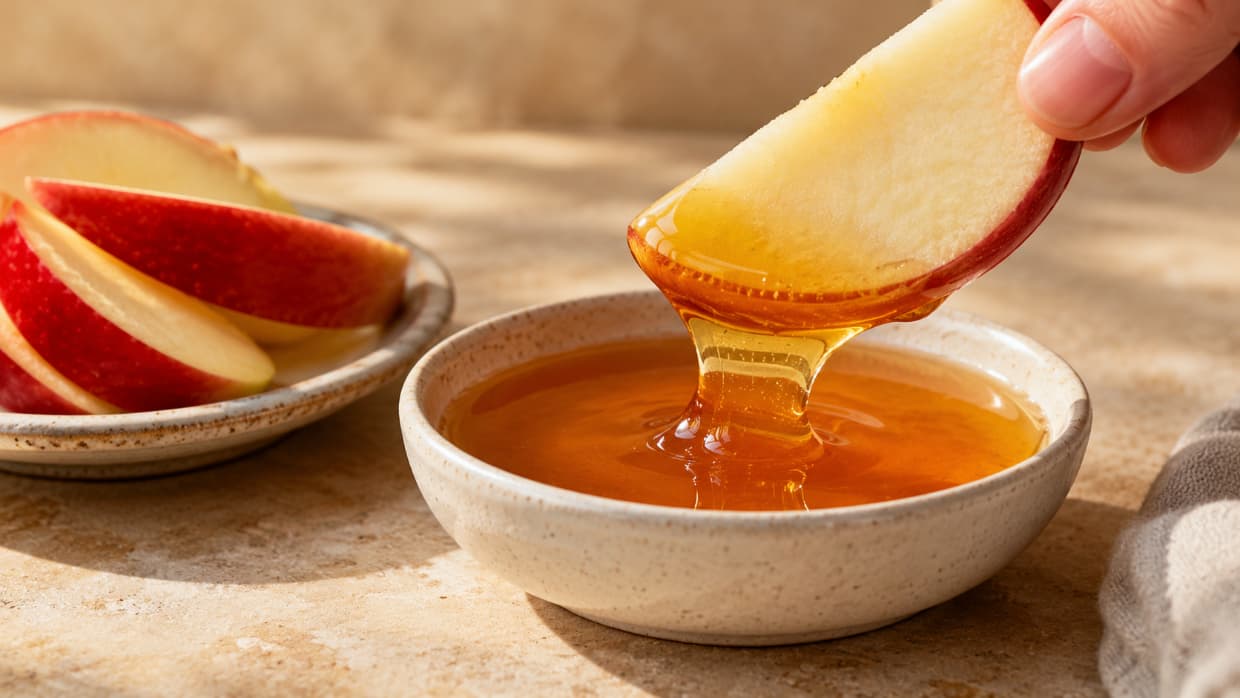








Not everything good feels sweet in the moment, and not everything sweet is actually good. A closer look at the classic Rosh Hashanah blessing, and what it's really asking of us.
On Rosh Hashanah, we wish each other Shana Tova U’Metukah — a good and sweet new year. But aren't goodness and sweetness essentially the same thing? Why do we need both words?
Not everything good feels sweet, and not everything that feels sweet is good.
Some of life's greatest blessings do not feel like blessings while you are going through them. You may lose a job or endure the pain of a difficult breakup. At the time, all you can feel is the loss. Only years later, looking back, do you realize that those experiences opened doors you never expected or set you on a path you would never otherwise have taken.
The experiences were ultimately good for you, but they did not feel sweet at the time.
The opposite can also be true. Some experiences feel sweet at first, but eventually take you in the wrong direction. What brings you pleasure today is not always what is best for you tomorrow.
The greeting Shanah Tovah U'Metukah is a call to meet two challenges. The first is to recognize goodness even when it does not feel sweet. You cannot always judge an experience by how it feels in the moment. When you are in the middle of a book, you can’t yet understand why the plot is unfolding the way it is or know how the story will end. Only when you reach the final chapters do earlier events take on their full meaning.
Likewise, many of life's blessings reveal their goodness only in hindsight. Until then, you are challenged to trust that what does not yet feel sweet may nevertheless be good.
The second challenge is to ensure that the sweetness you seek is rooted in what is genuinely good. People often mistake immediate pleasure for lasting fulfillment. But true sweetness is not found in immediate gratification that prioritizes the easy path for long term, meaningful goals. When you look back on your life, your deepest satisfaction comes from the challenges you embraced and the sense of purpose you found along the way.
When you wish someone a Shanah Tovah U'Metukah, you are expressing a hope for a year in which life's blessings are visible and unmistakable, one in which goodness is experienced with sweetness. You are saying: "May you enjoy good health. May your relationships flourish. May meaningful opportunities come your way. And may your joys not first have to pass through hardship."
Although hardship may become the source of great blessing, Judaism doesn’t glorify suffering for its own sake. You hope both for yourself and for others for goodness that can be recognized as it arrives, in the present, rather than only in hindsight, once the story has been told.
Furthermore, you wish not only that life's goodness will be sweet, but that the sweetness you experience will be rooted in what is genuinely good.
May we be blessed with a Shanah Tovah U'Metukah — a year in which goodness is experienced with sweetness, and in which the sweetness we experience is rooted in what is truly good and meaningful.














Wonderful!