
 The Macklemore Mess: What Pink Got Right and Everyone Else Got Wrong
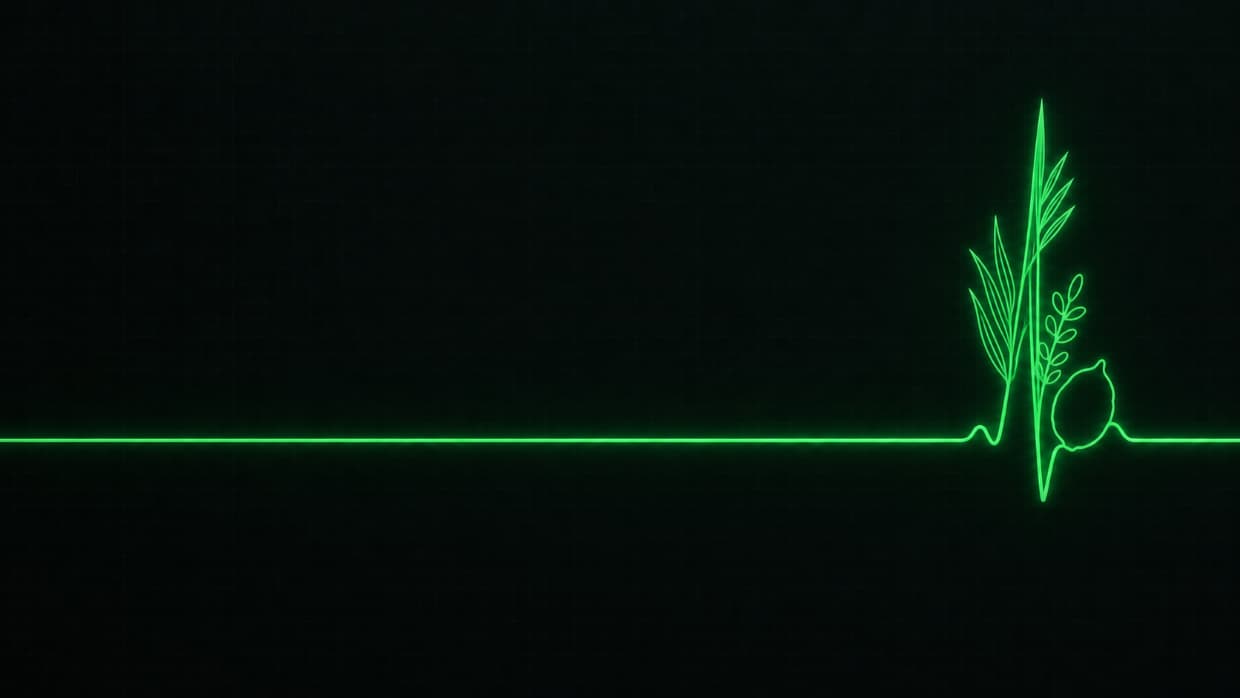








Don’t wait for a brush with death to appreciate being alive.
Imagine for a moment that your heart stops beating. There’s no pulse, no breath, and suddenly you are no longer in control of what happens next. A woman in our community experienced exactly that when, while out at a birthday dinner, she suddenly collapsed and her heart completely stopped.
The restaurant called an ambulance and while they were waiting for help, her heart started beating again. But when she arrived at the hospital, she flatlined and literally died. Her husband stood there terrified and helpless, with nothing he could do medically, so he began to pray with an intensity he had never felt before. He had said the words countless times, but never like this, never with his wife’s life hanging in the balance, as he begged God to bring the dead back to life.
Thank God, after what must have felt like an eternity, her heart began to beat again.
Today, she is alive and well, with a pacemaker and a completely different perspective on life, thinking often about how easily the story could have ended differently. It could have happened while she was driving, she could have been alone, or she could have been somewhere without immediate help, but instead God gave her another chance.
People who go through something like that often divide their lives into two periods: everything that came before the experience and everything that came after, because they don’t simply recover from something like that. In some sense they are reborn.
Perhaps that is exactly how we are supposed to feel on the holiday of Sukkot.
A verse in Psalms says, “A nation that has been created will praise God.” The Midrash explains, These are people who were destined for death and God creates them anew, and what are they supposed to do after receiving this new life? They take a lulav and esrog and praise God.
According to this Midrash, the lulav and esrog are what you hold when you realize you’ve just been given your life back.
Think about what we have just experienced on Yom Kippur, which in so many ways is a dress rehearsal for death. Men wear a kittel, the white garment in which they will one day be buried. We say vidui confession just as a person does at the end of life. We don’t eat or drink, and we remove ourselves from physical pleasure and comfort. For one day, we try to transcend our bodies and live almost entirely as souls, not because Judaism is obsessed with dying, but precisely because it is obsessed with living, and sometimes we need to confront death in order to appreciate life.
Sometimes we need to confront death in order to appreciate life.
Then Yom Kippur ends, and we eat again, drink again, build a sukkah, pick up the four species, sing, dance and celebrate because our heartbeat has come back. Sukkot is the celebration of another chance, another year, and another opportunity to get it right. The joy of Sukkot is the realization that life itself has been handed back to us.
On October 7, IDF soldier Itai Sagi was fighting with his elite Maglan unit near the Gaza border when his unit came under attack, with gunfire coming from every direction and grenades exploding around them. Six of his friends were critically wounded almost immediately, and Itai understood that he had to keep fighting, if only to buy time for the others, until a grenade exploded near him and suddenly he was on the ground.
He later described feeling as though his soul had left his body and he could see himself lying there, while for a few moments he experienced a strange sense of peace. Then he began seeing flashes of a future he had not yet lived, the home he hoped to build, his family, his niece’s face, and a whole life that might never happen, and something inside him began screaming that he had to breathe and fight his way back.
His friends managed to pull him to safety, he underwent lifesaving surgery, and he survived, but survival changed him because it wasn’t simply that he had escaped death. He understood that he had been given more life, and when you understand that your life has been given back to you, the obvious question becomes what you are going to do with it.
This may be the real question of Sukkot.
The Torah calls the first day of Sukkot “the first day,” and perhaps after the experience of Yom Kippur it really is the first day, the first day of the rest of our lives. In the commandment to shake the four species, God tells us, “take for yourselves” – but perhaps it means more than taking the lulav. Take hold of this year, take hold of the people you love, take hold of your relationship with God, and take hold of the things you keep promising yourself you will get to one day.
There are phone calls we need to make, relationships we need to repair, learning we need to begin, and people we love who need to hear what they mean to us. After the commitments we made during Yom Kippur, we have now been given life, and the challenge is not simply to remain alive but to truly live.
God has handed us another year and asked what we are going to do with it.
Then we go sit in a sukkah, a flimsy and temporary structure with a roof that reminds us how little in this world is actually permanent. Our homes aren’t permanent, our possessions aren’t permanent, our bodies aren’t permanent and we aren’t permanent, and right there, surrounded by fragility and impermanence, the Torah tells us to be happy. Perhaps it isn’t despite that fragility that we are happy, but because recognizing how fragile life is allows us to finally appreciate how precious it is.
We have been entrusted with life. God has handed us another year and asked what we are going to do with it. Sometimes we fail to notice the truly important gifts we’ve been given.
The woman whose heart stopped knows that, Itai knows that, and anyone who has stood at the boundary between life and death knows it in a way the rest of us can only imagine.
Sukkot challenges us not to wait until we almost lose our lives to appreciate that we have them. We pick up the lulav and wave it with everything we have as an expression of overwhelming gratitude to God Who has given us our lives back. Thank You for another heartbeat, another breath, another year, another opportunity to love the people around us, another chance to become who we are capable of becoming.