








 What Two Hebrew Words Reveal About Israeli Democracy
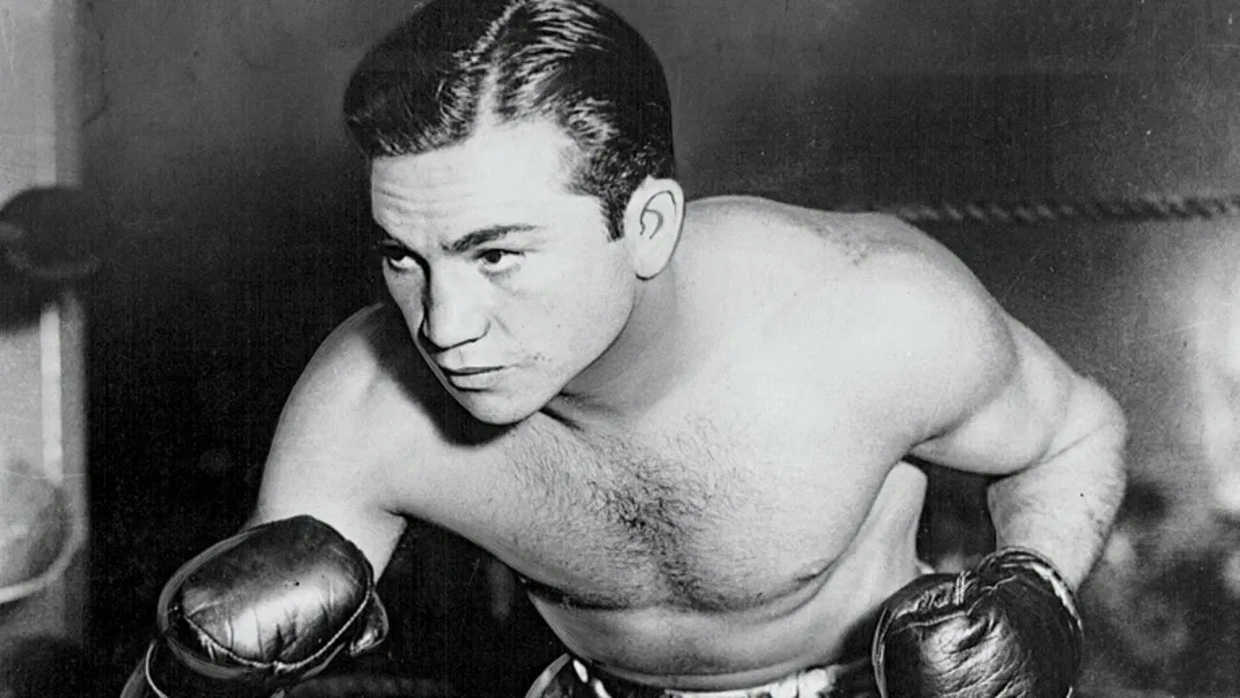






From the ring to the battlefield to the depths of addiction, Barney Ross never forgot what he was fighting for.
Born Dov-Ber Rasofsky in 1909, Barney Ross grew up on the rough streets of Chicago, the son of a Torah-observant immigrant family. His father, a gentle and scholarly rabbi, ran a small grocery store. One day, two robbers walked in and murdered him in cold blood. Ross’s mother, shattered by grief, suffered a breakdown. The family was split up—Ross and his brother went to live with a cousin, and the younger siblings were sent to an orphanage.
Ross was only 14.
He had once dreamed of following in his father’s footsteps and becoming a rabbi. But with his world upended, he made a new vow: he would reunite his family—no matter what it took.
Still a teenager, Ross started working odd jobs and running errands for the infamous gangster, Al Capone. But even Capone, sensing Ross’s intelligence and restlessness, told him this wasn’t the life for him. Soon after, Ross discovered boxing—and found in it not just a way to make money, but a way to channel his pain.
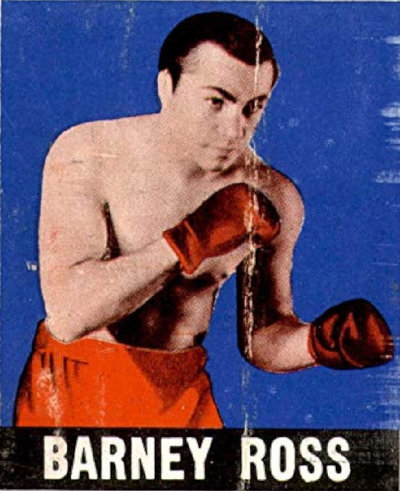
With his fast hands and unbreakable will, he rose quickly through the ranks.
Ross ultimately became a world champion in three different weight classes—a rare feat. With his prize money, he bought a home, reunited his siblings, and took care of his now-recovered mother, whom he adored for the rest of her life.
But Ross wasn’t just fighting for titles. He was fighting to show the world that a Jew could stand tall—no matter who his opponent was.
A fiercely proud Jew, Ross never hid who he was. At a time when American Jews were watching the rise of Nazi Germany with growing dread, Ross became a symbol of defiant Jewish strength.
In an interview after winning the world lightweight title, the plight of global Jewry was first on his mind. “I wish I could do something for the Jews who are suffering,” he said.
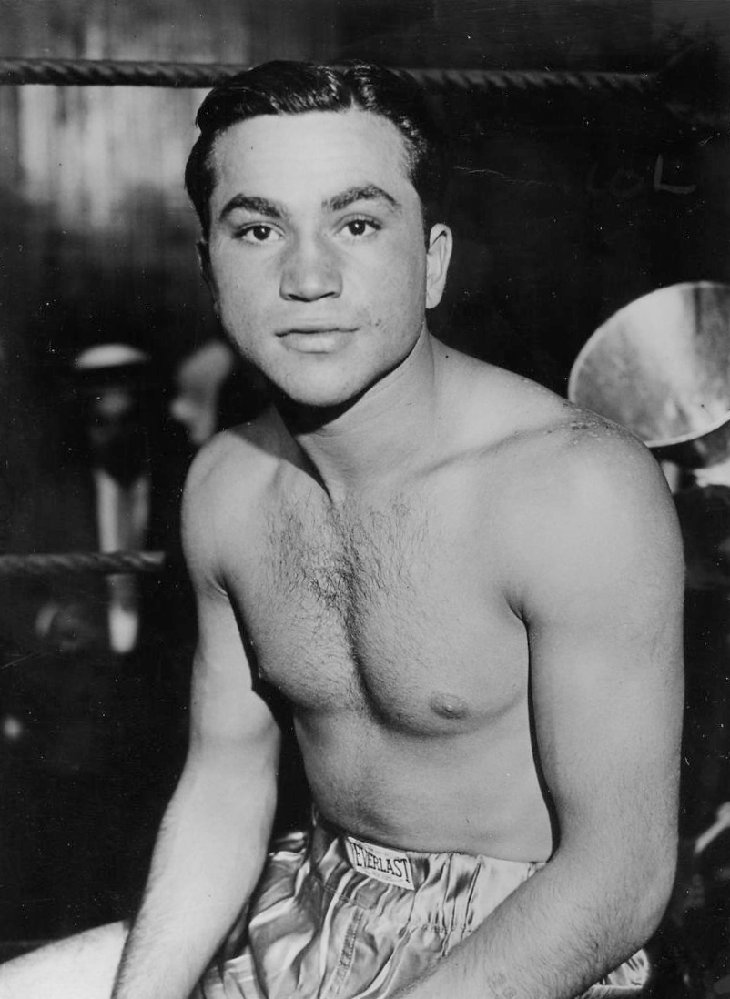
He emphasized that he was Jewish and “proud of it.” And though he had drifted from the observance of his youth, he still described himself as “religious.” He was often seen at training camp studying his father's old books, and he would wear tzitzit underneath his custom suits.
He carried his strong Jewish identity into war.
Already past draft age when World War II broke out, Ross insisted on enlisting. While other celebrities were sent on morale-boosting tours, Ross demanded to be sent into combat.
He got his wish.
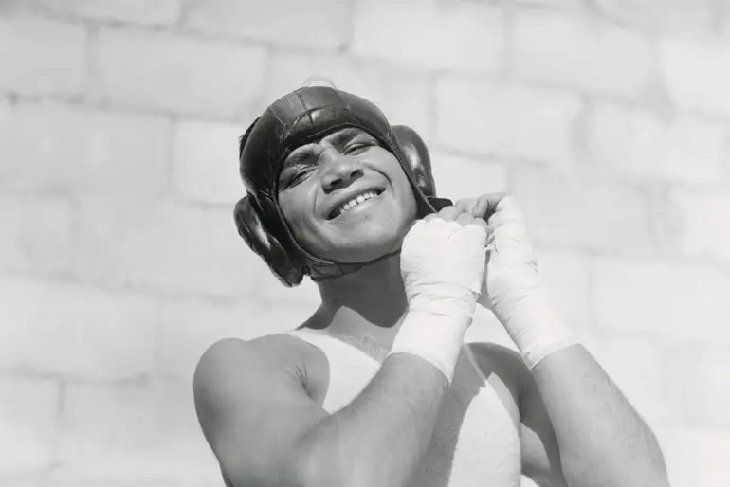
At the Battle of Guadalcanal, he and three fellow Marines were pinned down in a shell crater, surrounded by Japanese forces. All four were wounded. Only Ross was still able to fight.
He gathered the last of their grenades and ammo. And for hours, he fought—alone in the dark, whispering prayers in Hebrew as he held the enemy at bay. By morning, only one of his comrades was still alive. Ross carried the wounded man—over 230 pounds—on his back to safety. Ross himself weighed less than 140.
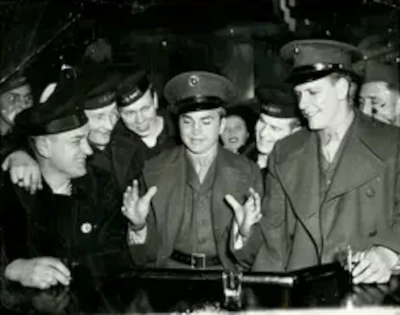 Barney as soldier
Barney Ross was awarded the Silver Star for his bravery. But the most difficult battle of his life was waiting for him back home.
After the war, Ross was prescribed morphine for his injuries. He became addicted—and when it was time to leave the hospital, he turned to heroin.
The addiction wreaked havoc on his health, finances, and relationships. He had hit bottom. But he didn't stay down.
Ross entered recovery, kicked his addiction, and began speaking in schools about the dangers of drug abuse—all at a time when the issue was not well understood. But Ross didn’t hide his mistakes. He used them to help others.
Barney Ross titled his autobiography No Man Stands Alone. At first glance, the title seems odd. This was a man who had stood alone in the ring, alone in a jungle crater, and alone through addiction and recovery.
But maybe that’s exactly the point.
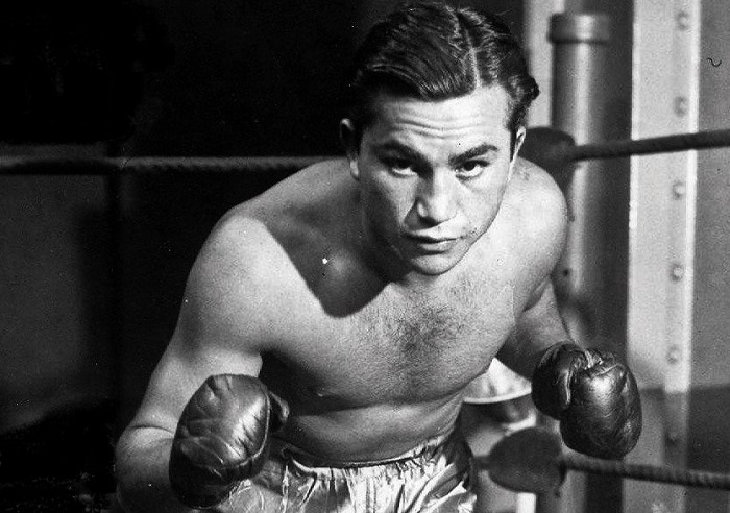
Though physically isolated, Ross never fought only for himself. Whether he was throwing punches or grenades, or fighting off demons in a rehab facility, he carried something greater with him: the memory of his father, the love of his family, the responsibility of being a visible Jew in the eyes of the world, and the faith that his life was connected to something higher.
Barney Ross demonstrated that toughness isn’t about being the strongest—it’s about knowing what you’re fighting for.
And in a world where it’s still easy to feel like the only Jew in the room, his life reminds us of something deeper: No man stands alone—especially when he stands for something.










I read about him some years ago. In a book about Jewish athletes. Unfortunately I didn't own it. It was a book from the library. Whether or not still available somewhere I don't know. It also has stories about Koufax, and Hank Greenberg. And others. If you can find it. Read it. And enjoy our heroes.
Great story
I love it.G-d bless him.
My grandfather, Julius Razovsky, was cousins with Barney Ross. Julius was a member of the state legislature in Missouri where he introduced a bill intended to protect prize fighters. Julius was one of 7 children. His sister (my great aunt) was Cecilia Razovsky. https://jwa.org/encyclopedia/article/razovsky-cecilia
I would like to contact the author of this article
I went to the same high school as Hank Greenberg the famous Jewish homerun hitter. Different decades. I forgot about Barney Ross the Jewish boxer. He exemplified a person who was forced to face each obstacle in his life and meet it head on. A great example for any person to follow.
My dad and sister did so as well.
James Monroe in the Bronx.
My father knew Barney Ross. He indeed came from a religious family. My father even spared with him at JPI. My father told me he was suppose to go the Hebrew Theological College of Chicago.
When i was a kid going on holiday with my parents to Grossingers Hotel in the Catskills, i recall one of the pavillions was named after Barney Ross.
now look in your schools' libraries. Is there a biography of this man? You'll barely find a Jew. And if you do (e.g. Einstein), his Judaism is often obscured, if not invisible.
An opportunity to donate his book!
There is a biography of Barney Ross which I read a number of years ago. I forgot the author. I am sure you can google Barney Ross and ask the name and author.
Ken Zisook
Great article, thank you!
thank you so muich for telling us this story - THIS IS the kind of person whom we need to learn of!
I was Jewish lay leader aboard the USS Enterprise (CVA-N 65) during the war in Nam - and never face that kind od battle,
He was a relative. I have his signed photo to my grandmother. I’d love to be in touch with Rabbi Campbell on his interest in Barney Ross.
Great to read this, In The Netherlands we've had lots of Jewish boxers before WW2, most of them were carted to the destruction and extermination camps, some were lucky and could survive due to the fact that those Germans after they had to undress and stood naked in front of them saw that they were not people who had a menial job. They had to fight against Grman boxing soldiers or in battles on life and dead against Polish and Russian prisoners of War. This article is in the Dutch language but the names in it are all Jewish boxers with an acompanying photograph
gezocht - de namen van de boksers op de boksschool - joodsamsterdam
He should have received the Medal of Honor for what he did -- yet ANOTHER example of the antisemitism that "infected" the Chain of Command in the US Army.
U.S.M.C.
I totally agree with you. He was a real mensch.
My zaide's cousin. All Rozovsky from Brest-Litovsk including roshei yeshiva in Israel. Agreed. Should have been Medal of Honor.
Thank you for this. I didn't know much about Barney Ross before.