







 Unity: The Driving Force Behind the Jewish People

6 min read
4 min read




Thrown out of Baghdad, with her pockets emptied and belongings destroyed, Daisy managed to sneak out a Torah scroll.
Many Jewish families, including Daisy’s, had been living in Iraq for over 2,000 years. Jews had been in Baghdad since the exile that followed Nebuchadnezzar's destruction of the First Temple in 586 BCE.
Born in the late 1920s, Daisy was the third of five children. Daisy’s only brother, Edward, passed away at the young age of 17.
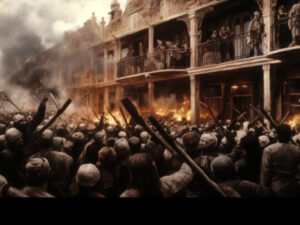
In 1941, Baghdadi Jews were subject to a violent, Nazi-inspired program called the Farhud. For two days, mobs - including Iraqi soldiers and police - attacked Jewish homes and businesses, resulting in widespread looting, destruction, and the massacre of many Jewish residents. Hundreds of Jews were killed and many more were injured. Thousands of homes were destroyed and many Jews were left homeless. With each year that passed, life grew more difficult.
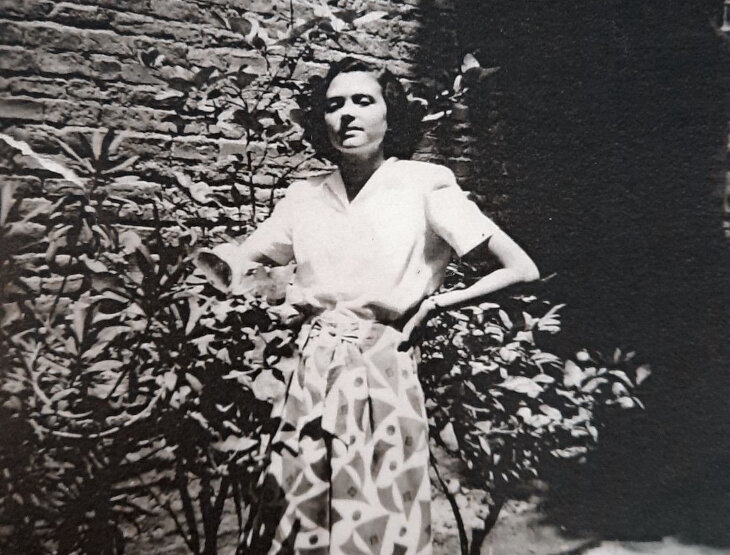 Daisy in Baghdad
After the establishment of the State of Israel, as Jews around the world began to return to their ancestral homeland, life in Baghdad continued to worsen for the Jewish community. The Iraqi government placed asset freezes, enacted arrests, and carried out public executions, and the Jewish community was forced to leave their homes, abandon their possessions and escape.
In a rescue operation titled Operation Ezra and Nechemia, Baghdadi Jews began to leave Iraq and travel to Israel. Daisy’s family was flown out alongside thousands.
The operation was named after the biblical figures Ezra and Nehemiah, who led the Jewish people from Babylonian exile back to the Land of Israel. The operation began in 1951 and rescued approximately 120,000 Jews from Iraq over the span of two years.
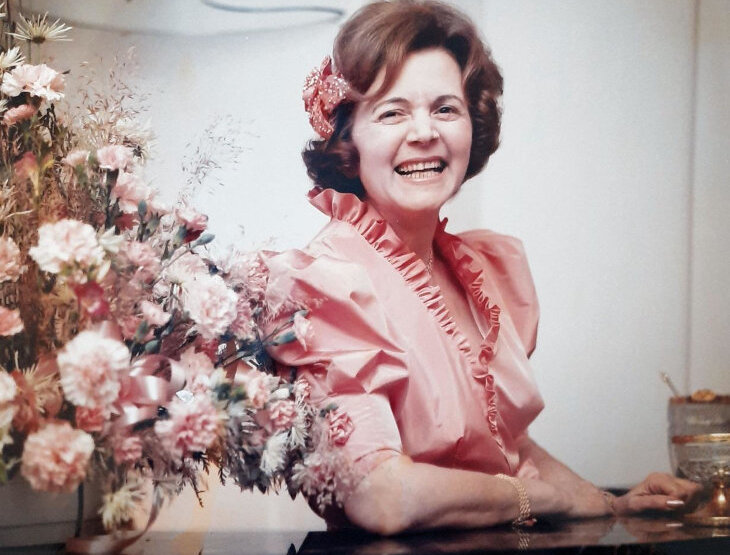 Daisy Elias
To join the rescue operation, Jews were forced to leave all their possessions behind. Daisy, however, refused to leave without the Torah that the family had written.
This Torah meant more to Daisy than it would to typical teenage girl. Beyond the knowledge that it contained the Jewish wisdom that guides every Jew in their life’s purpose and mission, the Torah scroll had been written in her brother Edward’s memory. As homes were raided, it became clear that sneaking this Torah with them would be a challenge.
First, her sisters embarked on the journey to Israel while Daisy stayed behind. Eventually, it was Daisy and her father’s turn to escape. Before they boarded, the Baghdadi authorities took everything from her, as they did to every Jew who left. They ripped off her coat, emptied her pockets, and even stole her locket that contained a picture of Edward.
But somehow, she managed to hold onto the Torah scroll.
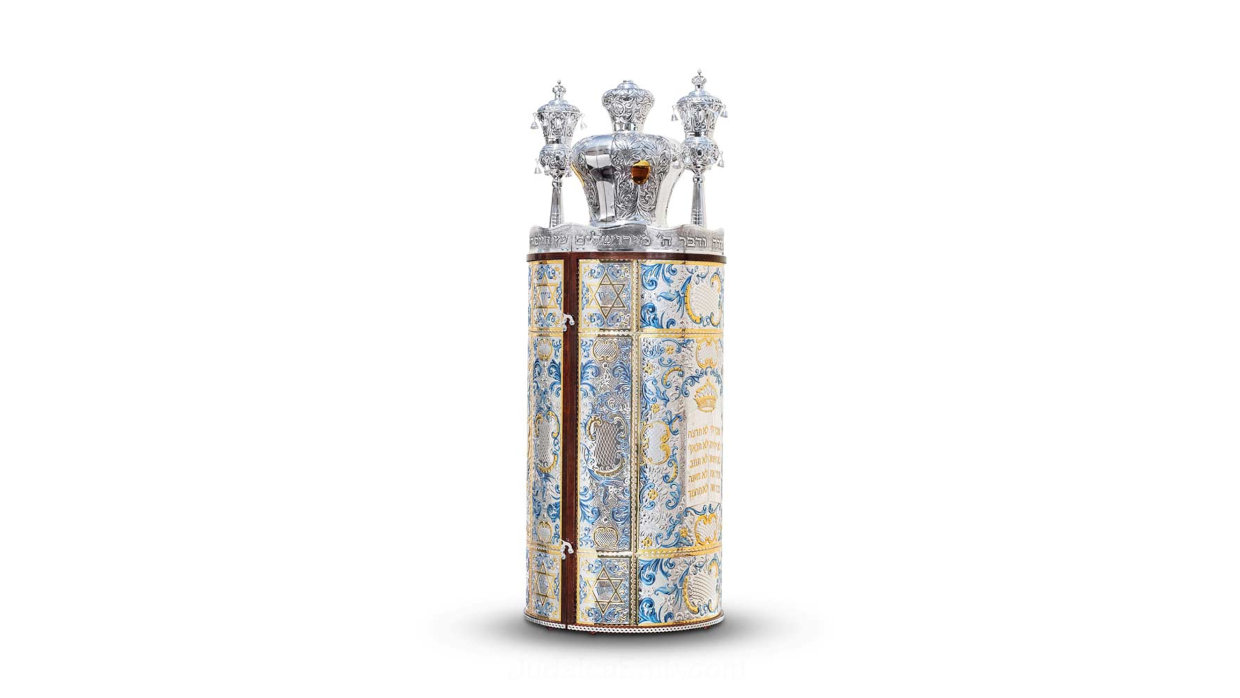
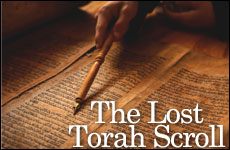
Daisy boarded the flight carrying with nothing but the clothes she wore – and the parchment of the Torah scroll, without its covering, mantel and decorations that usually adorned it. It sat on her lap for the duration of the flight and came with her to the State of Israel.
Bravely carrying this scroll to Israel meant commemorating her brother’s memory, a legacy that continued with her children.
Arriving as a refugee in Israel, Daisy first lived in a Ma’abara (a refugee absorption camp for Mizrachi Jews), before moving to Kibbutz Afek in the Western Galilee where she did a Hebrew ulpan and became a kindergarten teacher. Her brother-in-law introduced Daisy to George Elias from Baghdad, who was visiting Israel having set up his textile business in Manchester, England. They became engaged after their second date and were married in Israel and settled in Manchester.
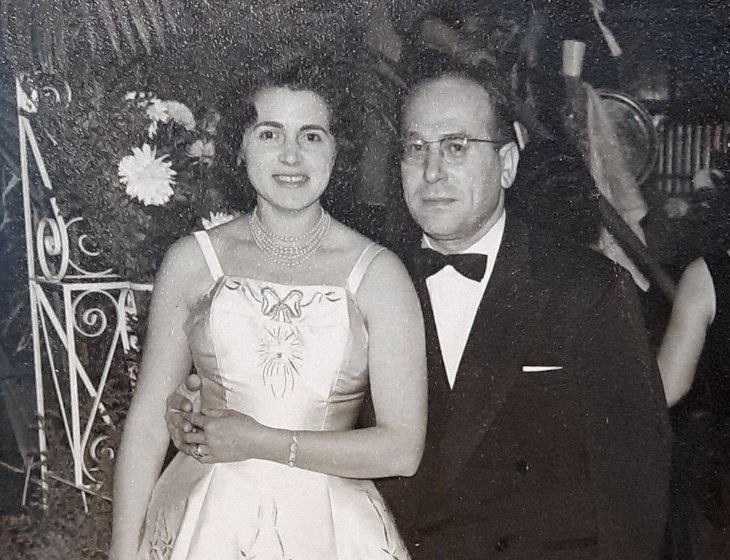 Daisy and George
Since Daisy’s passing in 2020, her four children have made many charitable contributions in her memory. Most recently, they donated a Torah to a synagogue in London. They are also in the process of writing a Torah scroll in the merit of the release of the hostages.
The 613th mitzvah of the Torah is the obligation for every Jew to write a Torah scroll, and this new Torah donated by the family will be in the memory of Daisy and Edward.
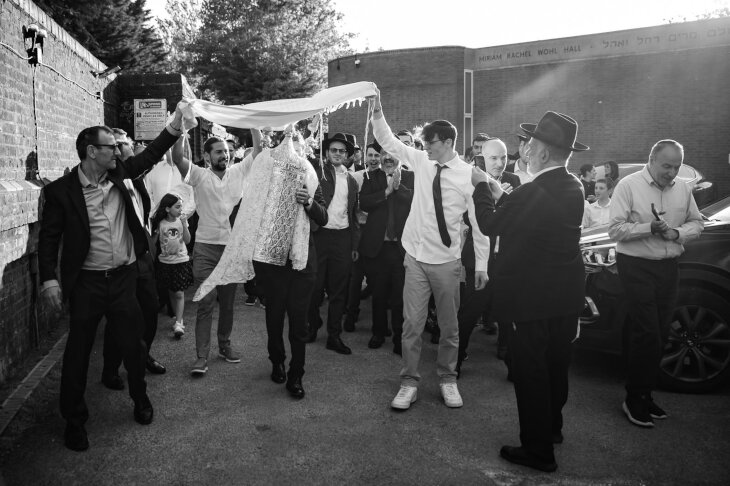 Welcoming the new Torah scroll written in memory of Daisy, in London, 2024.










lovely story. The Ma'abarot were not just for Mizrahi Jews, there were Ashkenazi Jews in them too. They were camps for all refugees arriving from 49 - 51
A beautiful story. Thank you.