



 Surviving 9/11: Four Jewish New Yorkers Remember That Day

9 min read
4 min read




Here are six different ways to set your resolutions for Rosh Hashanah, so you can pick the one that fits you best.
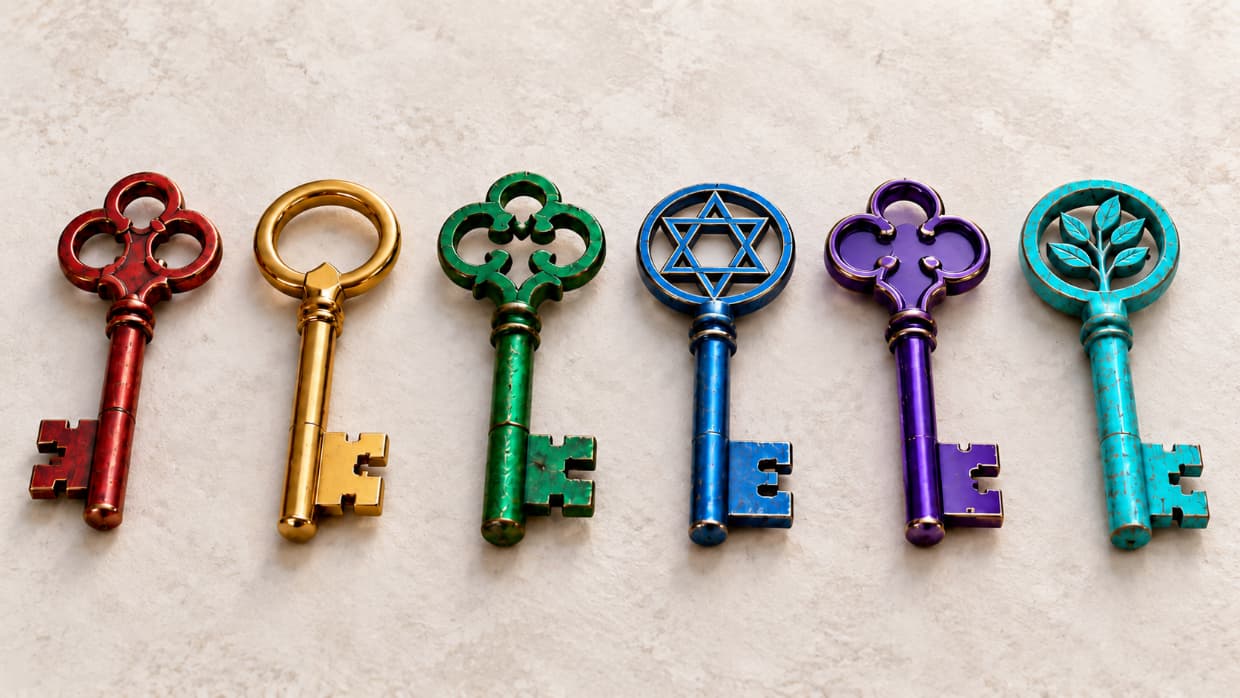
Change is not one‑size‑fits‑all. Teshuvah, which is returning to who you really are, can happen through many doorways. Some people change through reflection, others through action, others through identity, and others through ritual.
Here are six different frameworks for making resolutions this Jewish New Year, each offering a distinct path into growth. Choose the one that fits what you want to achieve and where you are right now.
Man vs. Himself, Man vs. Man, Man vs. God
This Jewish framework invites you to look at three arenas of life: your relationship with yourself, your relationship with others, and your relationship with God. Each one offers a different kind of growth.
Tip: Choose one small action in each arena. For example:
Small moves in all three areas create a balanced, grounded start to the year.
Mind–Body–Heart–Soul
This framework provides a more holistic way to consider all the different parts of yourself. The mind may need clarity, the body rest, the heart connection, and the soul meaning.
Example: If your mind feels cluttered, commit to five minutes of journaling each night. If your body feels depleted, choose one nourishing habit, such as stretching, walking, or drinking more water. If your heart feels disconnected, schedule one meaningful conversation each week. If your soul is yearning for more, choose a small spiritual practice: lighting candles with intention, saying Shema before bed, or reading a short portion of Torah.
One big goal → weekly micro‑steps
Psychology shows that people are more likely to succeed when they choose one meaningful goal and break it into tiny, doable weekly steps.
Tip: If your goal is to run a 5k, your first weekly step isn’t “run a mile.” It’s:
Week 1: Walk for 5 minutes after school or work.
Week 2: Walk for 10 minutes.
Week 3: Add 30 seconds of slow jogging.
Week 4: Jog for 1 minute.
Momentum comes from micro‑steps, not dramatic leaps.
Change your environment and your behavior follows
This framework focuses on shaping your environment so your behavior becomes easier. Judaism understands this deeply: we place mezuzot on doorways, light candles on Friday night, and build rituals that guide action.
Example: If you want to read more, place a book on your pillow. If you want to stop doom‑scrolling, charge your phone outside the bedroom.
Become the person you want to be
Identity‑based change is the most powerful. Instead of asking, “What do I want to do?” ask, “Who do I want to become?”
Tip: Write one sentence: “This year, I am becoming someone who…” listens more, acts with intention, responds rather than reacts, has appropriate boundaries, talks kindly about others.
Then choose one action that aligns with that identity. When your actions match your identity, change becomes natural.
Let your values lead you
Value-based action teaches that values guide behaviour. When you act from values, you feel steadier and more aligned with who you are.
Example: If your value is kindness, choose one weekly act of generosity. If your value is learning, commit to one short insight each day. If your value is family, protect one evening a week from distractions.
Values simplify decisions. They tell you where to go.
There is no single right way to make resolutions. Different pathways motivate different people. This Rosh Hashanah, choose the framework that fits you and your circumstances.