




 Are You a Spy or a Tourist?

7 min read
5 min read
6 min read




5 min read


From Shakespeare to Eliot, classic literature shows Jews as villains, outsiders, and visionaries—revealing how we’ve been seen, and how we might see ourselves.
Classic Western literature often flattens Jews into caricature—miserly villains, mysterious foreigners, or moral foils. Yet, scattered among these depictions are rare, more nuanced portraits: characters who, even if imperfectly drawn, reveal unexpected dimensions of Jewish identity. These figures can serve as mirrors—reflecting how Jews have been seen throughout history and prompting us to consider how we see ourselves today.
In Shakespeare’s The Merchant of Venice, Shylock is a moneylender who demands a pound of flesh from the merchant Antonio when a debt goes unpaid. At first glance, he seems like a textbook antisemitic stereotype—greedy, vindictive, merciless. And that is how he is remembered by many.
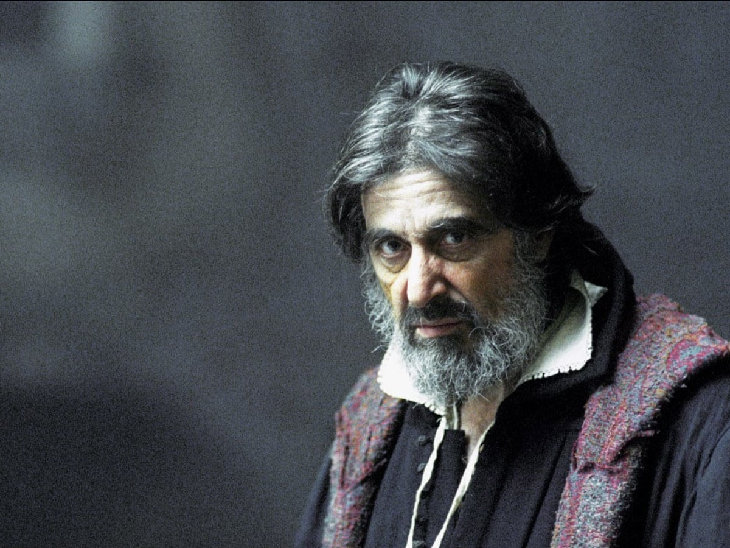 Al Pacino as Shylock
But William Shakespeare gives him one of the most famous and humanizing speeches in the English language:
“Hath not a Jew eyes? Hath not a Jew hands, organs, dimensions, senses, affections, passions? … If you prick us, do we not bleed? If you tickle us, do we not laugh? If you poison us, do we not die? And if you wrong us, shall we not revenge?”
In these lines, Shylock becomes more than a villain. He becomes a human desperate to be seen. His bitterness is not without cause—he’s been mocked, spat on, and marginalized. While his desire for revenge is morally troubling, his plea for dignity still resonates.
From a Jewish perspective, Shylock’s tragedy reminds us that when we lose sight of our divine mission—to be a “light unto the nations”—our pain can curdle into something corrosive. The answer to injustice is not vengeance, but to hold fast to our higher calling, even in the face of prejudice.
In Sir Walter Scott’s Ivanhoe, Rebecca is a Jewish healer, portrayed as wise, beautiful, and compassionate. She saves the life of the knight Ivanhoe, resists the advances of a powerful enemy, and shows courage when threatened with execution.
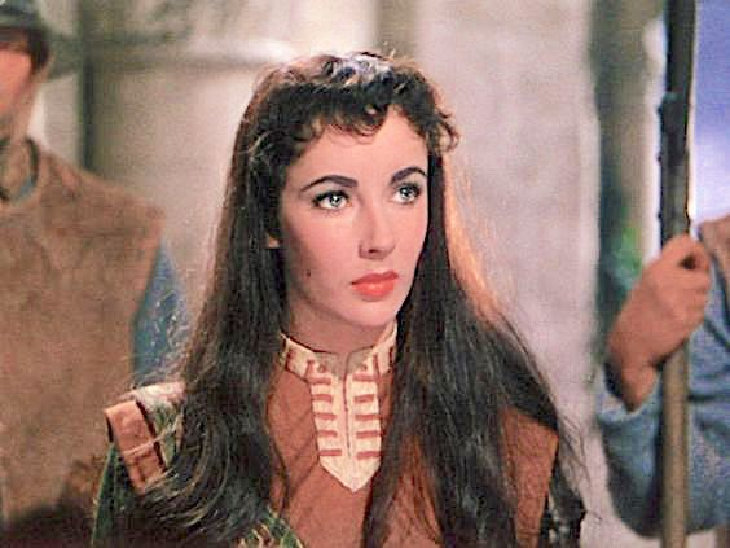 Elizabeth Taylor as Rebecca
Scott portrays her as morally superior to many of the Christian nobles, and yet she remains an outsider—respected for her virtues, but never fully accepted. Ultimately she chooses to leave England in search of a society that will truly welcome her. This is Scott's bold condemnation of historical English antisemitism.
But Rebecca avoids the bitterness that haunted Shylock. Her quiet strength models an approach to the Jewish experience of exile: maintaining dignity, kindness, and faith while living among those who may admire her yet still keep her at arm’s length. Her choice to remain true to her identity, even when it means leaving comfort behind, reflects a morally courageous portrayal of a timeless Jewish struggle.
George Eliot’s Daniel Deronda tells the story of a young man raised as an English gentleman who discovers he is Jewish. Rather than reject this revelation, he embraces it, immersing himself in Jewish history, tradition, and the dream of a national return to the Land of Israel.
Eliot’s last novel, the book kindled many Jews' longing for their ancestral homeland. Israeli politicians, from Ben Gurion to Golda Meir, were deeply moved by its portrayal of a lost Jew yearning to reconnect to his roots, and the book has been credited as a major influence on early Zionism.
Daniel’s journey is ultimately one of identity reclaimed. He begins without any conscious connection to Judaism, yet something in him responds deeply to the truth of his heritage. It’s a reminder that Jewish identity is more than culture or custom—it’s a spiritual inheritance, one that can lie dormant but still awaken with transformative force.
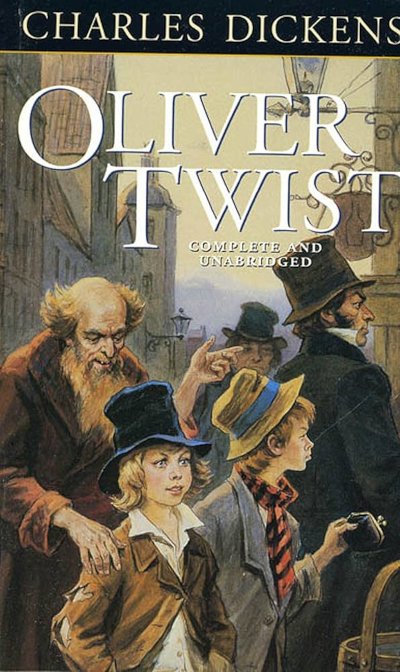
Charles Dickens’ Oliver Twist gave the world Fagin, a grotesque Jewish villain who mentors and manipulates a gang of young thieves. Even after Dickens toned down the references to Fagin’s Jewishness, the caricature remained deeply damaging. Decades later, in his final novel, Our Mutual Friend, Dickens made a deliberate and striking reversal with Mr. Riah.
Like Shylock, Riah is a moneylender. But here Dickens subverts the stereotype—Riah is gentle, principled, and generous, using his position to help the vulnerable, even while enduring prejudice himself. This conscious act of literary repentance shows that even entrenched narratives can be rewritten for the better. (Click here to read about the Jewish woman instrumental to Dickens’ change of heart.)
Particularly in these days between the tragic remembrances of Tisha B’Av and the elevated atmosphere of Rosh Hashanah, this shift offers us both a model and a challenge: to examine the “stories” we tell through our own actions, and to ask whether they reflect the truth of who we are meant to be. Dickens couldn’t change the harm done by Fagin, but he could—and did—choose to leave a better final word. Likewise, while we cannot rewrite the past, we can decide what we will contribute to the story going forward. Ultimately, the most important Jewish characters are not found in novels, but in the stories we choose to live every day.













While I can relate to the important point stated at the end of this essay, I cannot agree that Dickens effectively apologized for creating the hideous villain Fagin, who's repeatedly referred to as "the Jew," by introducing Riah, a too-good-to-be true member of the Jewish faith. (Considered that this character's name brings to mind the word "pariah"!)
These characters are unrealistically portrayed as utterly evil or perfectly good, but it's not surprising that Fagin remains in readers' minds as "the Jew" (despite Dickens' later attempt to remove the term he used as a pejorative).
How many people even know about Riah? And if they did, they'd likely reject him as not believable.
Conclusion: Antisemites don't do teshuvah easily (because hatred of Jews doesn't need to be logical)!
Both of the characters are realistic. Simply because people, of any nation, show such characteristics.
Excellent!
I enjoy reading these pieces. Jews in Europe always makes me feel ambivalent, afraid of a coming flood that could turn into a wave. Why fiddle on a roof?
Great article. Thank you for sharing this reflection with us. Jews are meant to be a light unto the nations.
George Eliot's Daniel Deronda is a classic and exceptionally important portrait of a Jew awakening to his identity and what that means for him. Most British writers who came from the upper classes probably had little to no interaction with Jews, making these sympathetic portraits more impressive. Some outstanding authors, including Edith Wharton, sketched a few Jewish characters with unkind stereotypes: the unattractive Jewish banker whom nobody wants as a friend but everyone wants as a financial advisor. To me, these don't cross a red line past which I won't read a great author's work.