







 The Red Cross’s Jewish Problem





Iraq is home to a treasure trove of significant Jewish holy sites that reflect the profound and ancient roots of the Jewish community in this region.
These hidden gems, ranging from sacred shrines and vibrant neighborhoods to historic synagogues and esteemed cultural institutions, offer a fascinating glimpse into a rich heritage that has endured for millennia.
The narrative of Iraqi Jewry’s cultural and religious sites is also tinged with sorrow, as the community faced mass exile and persecution in the mid-20th century. It’s more important than ever to commemorate the memory of these remarkable places to keep alive the enduring legacy of Jewish life in Iraq amidst the backdrop of its long and distinguished history.
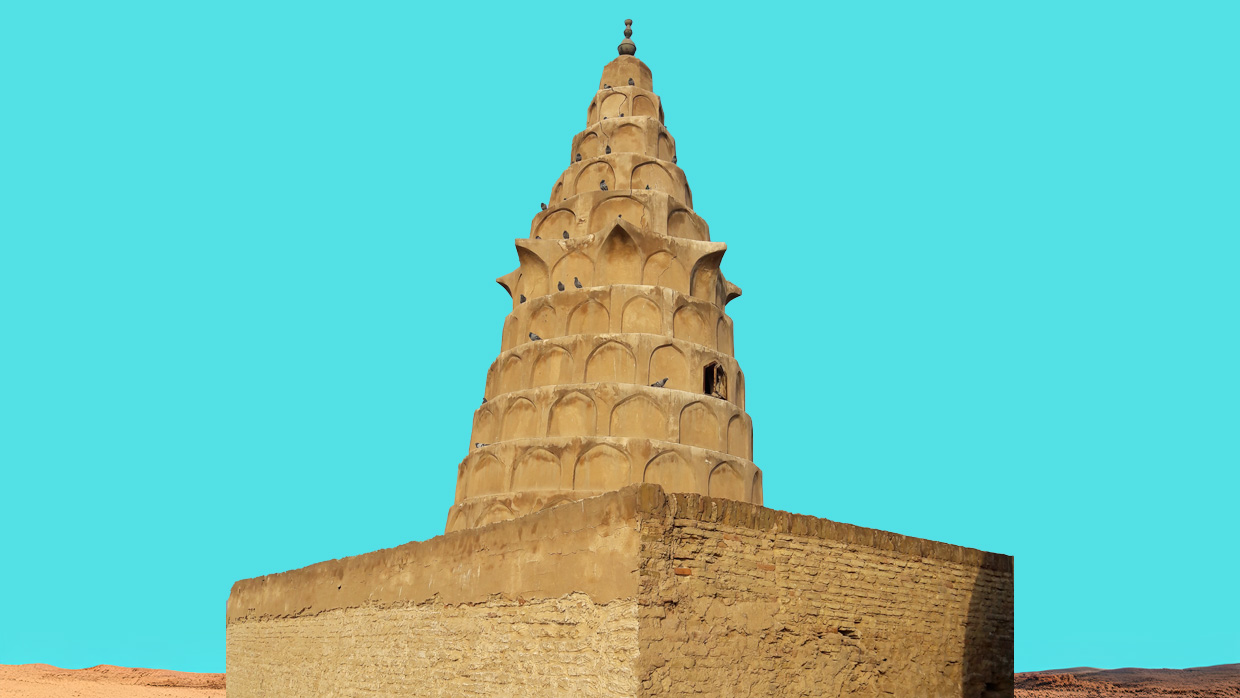
Located in the town of Kifl, the Tomb of Ezekiel is believed to be the burial site of the biblical prophet Ezekiel, a major figure in Jewish history known for his prophecies during the Babylonian exile. This period saw the Jewish people forcibly removed from their homeland in the Land of Israel and taken to Babylon.
Ezekiel, credited with authoring the Book of Ezekiel, is renowned for his vivid and profound prophecies that offered spiritual support for Israel during this period of exile. His most famous prophecies include the vision of the "Valley of Dry Bones," symbolizing the revival of Israel, and his vivid description of “the divine chariot,” which has influenced Jewish mysticism ever since.

The tomb complex, which includes a synagogue and is decorated with ancient Hebrew inscriptions, has been a significant pilgrimage destination for centuries, revered by both Jews and local Muslims. This site not only underscores Iraqi Jewry’s special connection with its local prophet Ezekiel but also reflects the deep respect Iraq’s religious groups had for Iraq’s Jewish holy sites, a tradition that continues to this day.
Al-Bataween was one of the most prominent Jewish neighborhoods in Baghdad, known for its beautiful houses and vibrant community life. Established in the early 20th century, it became a central hub for the Jewish population, which constituted about one third of Baghdad's residents at the time.
The neighborhood featured several synagogues, including the Meir Taweig Synagogue, which served as key places of worship and community gathering points. Additionally, Al-Bataween was home to prestigious schools like the Frank Iny and Shamash Schools, which provided high-quality education and contributed to the community's intellectual life.
Many Jewish homes in Baghdad can be distinguished by their design including "shanasheel," special rooms with large windows that extended over the street. These rooms were designed to improve ventilation and provide relief from the heat, allowing for cooler air circulation. The shanasheel also often had intricate wooden latticework that added to the aesthetic appeal while offering privacy.
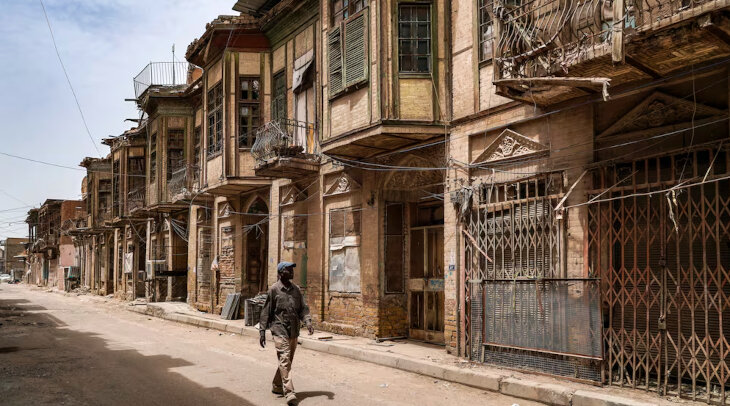 Jewish houses in Baghdad's al-Battawin neighborhood
The area was also known for its community centers and social clubs, such as the Baghdad Jewish Club, where families would gather for recreational activities, cultural events, and socializing. These institutions played a crucial role in fostering a sense of unity and cultural identity among Baghdad's Jews. Al-Bataween's lively markets, cafes, and shops further added to its charm, making it a bustling center of social and economic activity.
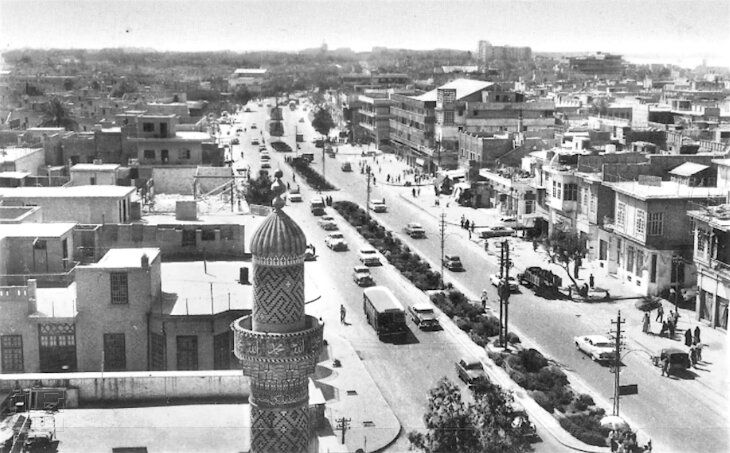 Al-Sa'doun Street, a historically significant commercial thoroughfare that was once lined with numerous Jewish-owned businesses, shops, and offices.
The Great Synagogue of Baghdad, also known as the Shad veYativ Synagogue, is one of the oldest synagogues in existence, with origins tracing back before recorded history.
Its construction is attributed to King Jehoachin, who sought refuge in Babylon following the Babylonian exile of Judah in 597 BCE. This historical landmark symbolizes the resilience and adaptability of the Jewish people, with an intriguing facet of its construction involving earth transported from Israel by King Jehoachin, signifying a deep connection to their homeland.
Named "Shad veYativ," meaning “the Divine Presence was removed and settled in this place,” the synagogue reflects the enduring presence of God even in exile. Unlike European synagogues, the Great Synagogue of Baghdad is built around a central, open-air courtyard that allowed worshippers to enjoy a cool breeze during Baghdad’s notoriously hot summers. Built out of natural materials like mud, it has been undergone renovations at least four times in its long history.
Today, it stands meticulously reconstructed as a museum, offering insights into the rich history and traditions of the vibrant Jewish community that once worshipped there. A replica of the synagogue has also been built at the Iraqi Jewish Heritage Center in Or Yehuda, Israel.
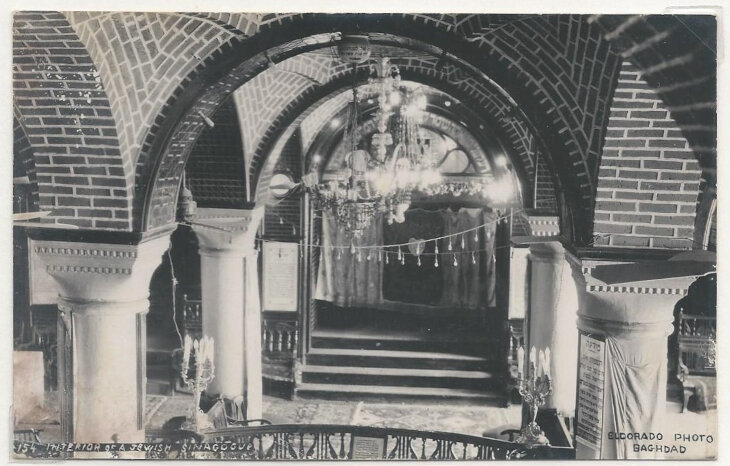 Interior of the Great Synagogue of Baghdad
The legacy of Iraqi Jews is a poignant testament to a rich cultural and religious heritage that has left an indelible mark on the history of Iraq, in addition to a lasting impact that the fertile lands of Iraq left on the Jews. Despite the mass emigration and persecution faced by the community in the mid-20th century, the remnants of their once-thriving presence endure in the form of sacred sites, neighborhoods that have not been forgotten, and a growing body of film and literature keeping these memories alive. Preserving and commemorating these sites is crucial not only for honoring the memory of those who lived and worshipped there but also for fostering a deeper understanding of the Jewish community’s diverse and multifaceted history.












Didn't Abraham from the Torah come from a town in Iraq before going to the land that is now known as Israel?
Thank you for sharing.
I live in Gailani, less than two kilometers from Bataween. One wonders: Why is this happening in Iraq? There is no continuity!
I'm 85b years of age; I consider myself quite well versed in Jewish History. Thank you. I knew none of this!
My maternal grandfather was the one who built the bimah in the Great Synagogue in Baghdad with his workers.
very interesting! thank you!
Although in ruins, I'm surprised the author didn't include the tomb of Jonah in Mosul, that all people of all religions in Northern Iraq revere as a holy site.