

 In Poland, Even Winnie-the-Pooh Has a Holocaust Story
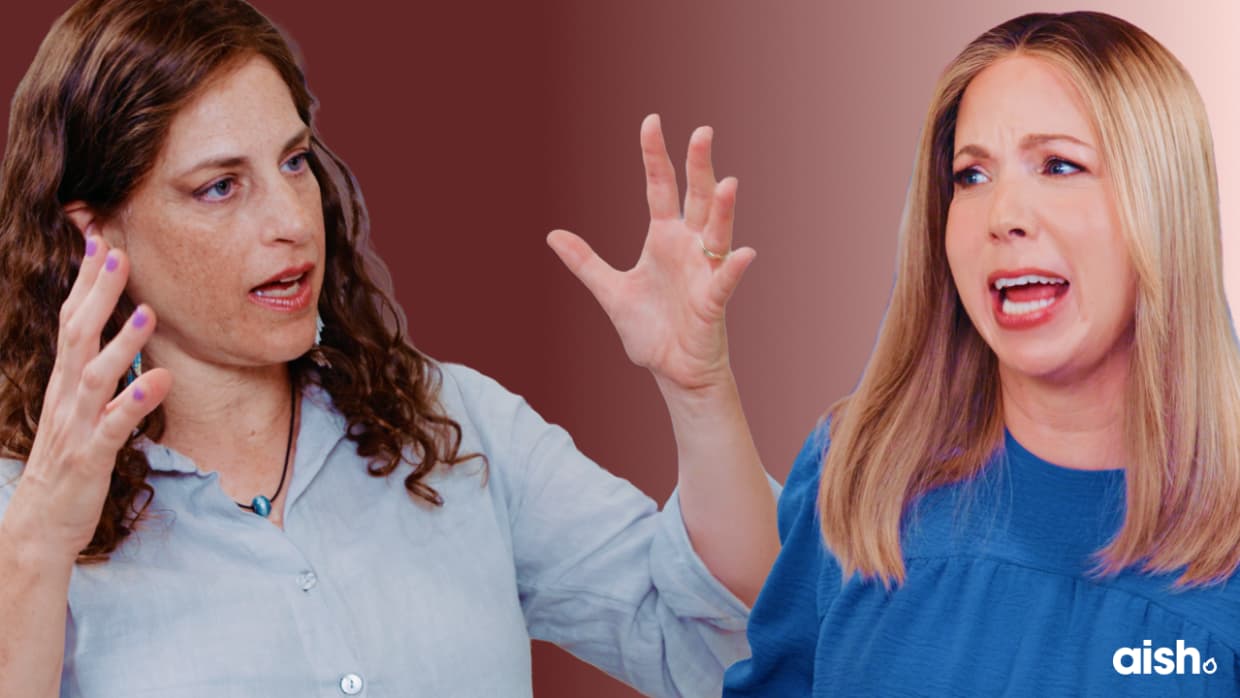






She clowned for sick kids in Israel's burn unit, then built a comedy following after October 7th. Her lesson: joy doesn't wait for pain to end.
Julie Rothschild Levi did not set out to make people laugh for a living. For most of her life, laughter was something she did on the side, a personality trait, not a plan.
She grew up in Minneapolis, went to college, and by twenty had made her first trip to Israel, working on a kibbutz, picking avocados, cleaning bathrooms, and falling in love with the country almost by accident. That trip turned her into a Zionist, though she did not know yet what shape that would take in her life.
She went on to work at the Israeli embassy in Washington, editing speeches for then Prime Minister Rabin during the Oslo Accords, sitting in rooms where history was being made in real time. From there she moved into nutrition and health writing, then marriage, then motherhood, and for the next twenty years her creative side mostly went quiet. She raised her children, became religious, and moved, more than once, between the United States and Israel.
Then, seven months pregnant at age 42, she drove past a billboard advertising a course in medical clowning. She had never heard of it before. Something about it caught her attention anyway.
She enrolled after giving birth, trained for five and a half months, and spent the following years walking into hospital wards in character, including the burn unit of Israel's largest hospital, trying to give sick children a few minutes that belonged to something other than their illness.
"Nobody wants to be in a hospital," she told me. The medical clown's task, as she described it, was to take someone, even for a few minutes, to a better place in their imagination.
She stepped away from clowning right before Covid. Unable to walk into hospitals during lockdown, she started filming herself instead, parody songs, funny faces, whatever kept her own spirit intact while the world stayed shut. That was the accidental beginning of the woman tens of thousands now know as @julieshtick.
Then came October 7th. Julie told me it took her a long time before she could make funny content again. But she kept showing up, because she needed somewhere to put the fear, and because she noticed her followers needed the same thing.
From the Yiddish theater stages of the early twentieth century to the Borscht Belt comedians who built American stand up almost from scratch, Jewish humor has always lived close to Jewish grief, often in the very same rooms, sometimes in the very same breath.
Julie mentions Viktor Frankl who survived Auschwitz and later wrote about what kept people alive there. He called humor "another of the soul's weapons in the fight for self-preservation." It wasn’t a mere distraction from the horror; it was a weapon against it.
Julie is not clowning in hospital wards anymore. She found her way to comedy, to reels, to a very different stage. But what she learned there never left her: pain does not have to finish before joy is allowed to start.
You do not need to be a comedian, or a clown, or anyone who has lived through something unimaginable to use this. Happiness is not the reward you get once the hard part is over. It’s a choice you make while you are still standing in it.