





 Biblical Imagery in Dolly Parton’s Music

6 min read
5 min read
4 min read



5 min read


A trip to Rome's Great Synagogue led me to an insight about hope, and why it's the one thing real change depends on.
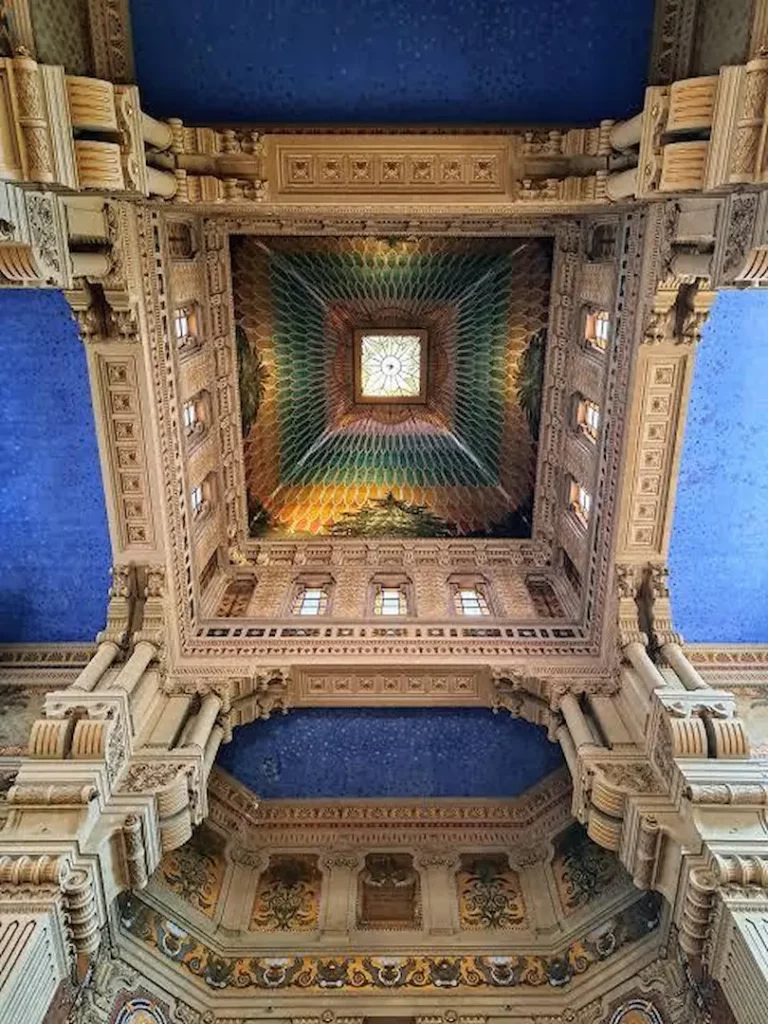
Standing inside the Great Synagogue of Rome, I couldn't stop staring at the architecture and everything surrounding it.
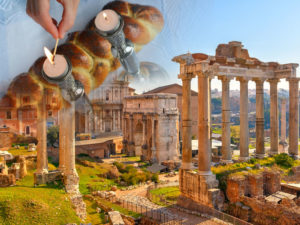
The building is shaped like a cross because Jews didn't design it. Roman and Greek columns were built into it on purpose—a reminder, etched in stone, of the two empires that once believed they had crushed the Jewish people for good. When the Nazis occupied Rome, they made plans to preserve it as a museum, a monument to an extinct race.
The synagogue sits in what was once the Roman Ghetto, deliberately placed beside the Tiber River which flooded regularly and was expected to help finish the job the empires couldn't. Churches once ringed the ghetto, built there in the hopes of pressuring conversion.
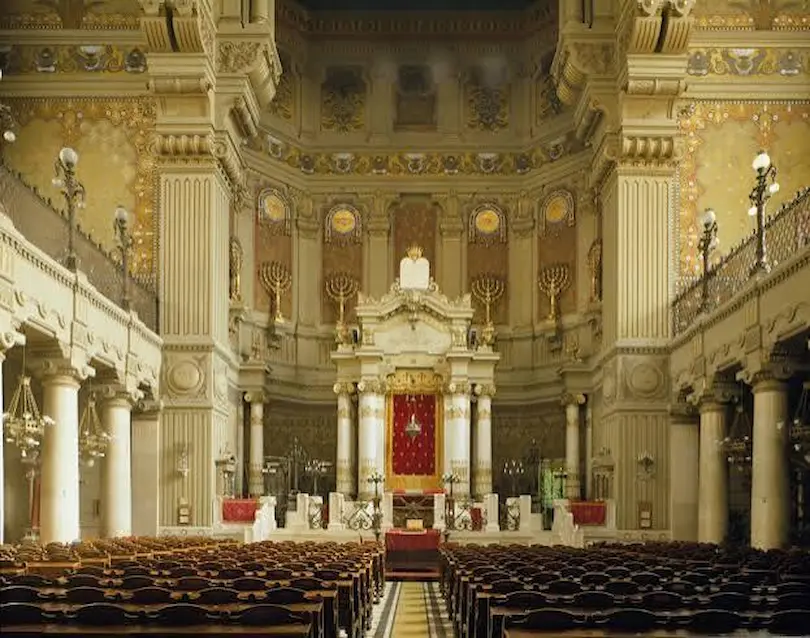
The Greeks are gone. The Romans are gone. The Nazis are gone. And there I was, praying in that room with a minyan of living, breathing Jews.
I've never felt anything like the wave of hope that hit me in that moment. A bone-deep certainty that the promise made to the Jewish people will be eternal is real. No empire, no ideology, no river was ever going to be the end of the story.
Charles R. Snyder, a researcher in the field of Positive Psychology, spent decades studying why some people manage to change their lives—break a habit, heal a relationship, rebuild after collapse—while others, facing the very same circumstances, stay stuck. What he found surprised many. More essential than willpower was the power of hope.
You need to believe a better outcome actually exists, and that you have some way of getting there. Take away either piece, people stop trying. Why put in the work to change if you're convinced nothing is going to be different on the other side?
Hope is the prerequisite for change. Before you can build new habits, repair a relationship, or start over after failure, you have to first believe that starting over is possible for you. Everything else is built on that.
This is a fascinating sequence embedded in the Jewish calendar.
You walk out of Tisha B'Av flattened. You've spent the day mourning the destruction of the Temple, the exile, the long catalogue of catastrophes that fell on this specific date across history. By the time the fast ends, you are spiritually and emotionally in pieces.
And yet, a few weeks later you're expected to walk into Rosh Hashanah, the day you stand before the King of the universe and ask to be written into a new year of life. To dream about life, to set new goals.
How do you go from "everything I had is destroyed" to "I am worthy of a fresh start" in seven weeks? That's an enormous emotional distance to travel.
The answer is the seven Haftarahs read on the Shabbats between Tisha B'Av and Rosh Hashanah—the Shiva D'Nechemta, the Seven Haftarahs of Consolation. Each one is a message of comfort from the prophets to a broken nation. Before the Jewish people can be asked to do the difficult work of teshuva, of real change, they first have to be handed hope, to inculcate the belief that restoration is actually possible.
Transformation cannot begin from a place of despair. So the Jewish calendar doesn't rush you from ruin straight into judgment. It gives you seven full weeks of being told, in seven different ways, that the story isn't over, rebuilding is indeed possible.
That's what hit me in that synagogue in Rome. Empires tried to write the Jewish people out of history, and in the end became background scenery for a people still standing, still praying.
But you've made this same resolution before. You stood at this crossroads last Rosh Hashanah, and the one before that, working on the same weakness, praying about the same relationship, still stuck in the same place. Your own track record can undermine any feeling of hope for change.
How do you believe change is possible when the evidence in front of you says otherwise?
Snyder's research offers an answer, because hope is built from two separate ingredients. The first is having an actual pathway to your goal. The second is believing you're capable of walking it. Most people's yearly disappointment isn't proof that change is impossible for them. It's proof that they tried the identical pathway that already failed them, and expected a different result the second, third, or tenth time around.
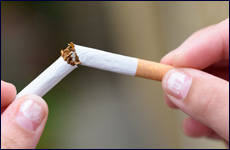
So the practical shift is this: stop asking, "Will I change this year?" Start asking, "What am I doing differently this time?" If your strategy is unchanged from last Elul, the result will be unchanged too. A different pathway—smaller, more specific, built around your actual patterns instead of a vague hope for willpower—is what turns "I've tried before" from a reason for despair into simply useful information about which pathway didn't work.
And look for the evidence you already have, even if it's small. You don't need a full year of transformation behind you to justify hope. You need one moment where you didn't do what you would have done a year earlier. That single data point is enough to make the belief legitimate, not naive.
So before you make a single resolution for the new year, start strengthening the key prerequisite, the inner belief that things can actually be different. Your future growth rests on that conviction.











Thank you for this great and meaningful article… I too was fortunate enough to have visited the great synagogue of Rome recently with my son. Your words and insights really bring back memories, and also bring deeper meaning and insights to my/our experience there.
I love your ideas about this transitional time, and how to shift our thinking in such a positive way about making real (even if small) changes in our lives actually happen, and what a key ingredient having hope is!!
Thank you for this amazing piece, Dr. Rabbi Lynn. Your message of restoration resonates with me deeply right now.
I too just paid a visit to the Synagogue of Rome - a city that has hosted my family and me for a little while now - that is currently giving us a much-needed fresh start. Though it doesn't feel like home quite yet, we are able to restart thanks to an environment led by Brothers.
Indeed Hope, the inner belief that things can actually be different (and we know who to thank), is the foundation we must all build our lives on.
Wonderful piece by Dr Rabbi Lynn
Great tie in between Tisha Bav and RH. Tisha Bav is a wikis flipped. It builds up to a climax and then what? This is great and helped me tie in the build up towards hope and a better year: starting with Elul into RH.