







 The FlyDubai Miracle



13 min read
8 min read





Brave passengers and crew saved Flydubai Flight 1073. Does that mean it wasn't a miracle?
The elation over the safe return of the 180 Israeli passengers aboard the Flydubai flight was still “in the air” when the backlash began. People were offended that so many were calling it a miracle.
During a live interview on Fox News, a former Prime Minister of Israel said that the safe outcome of the threatened Flydubai flight was “not a miracle, it was an act of heroism by the passengers and of the Emirati crew.”
On social media, people echoed the same sentiment. How, they asked, could anyone call this a miracle when so many courageous human beings had worked so hard to prevent a tragedy?
And they had.
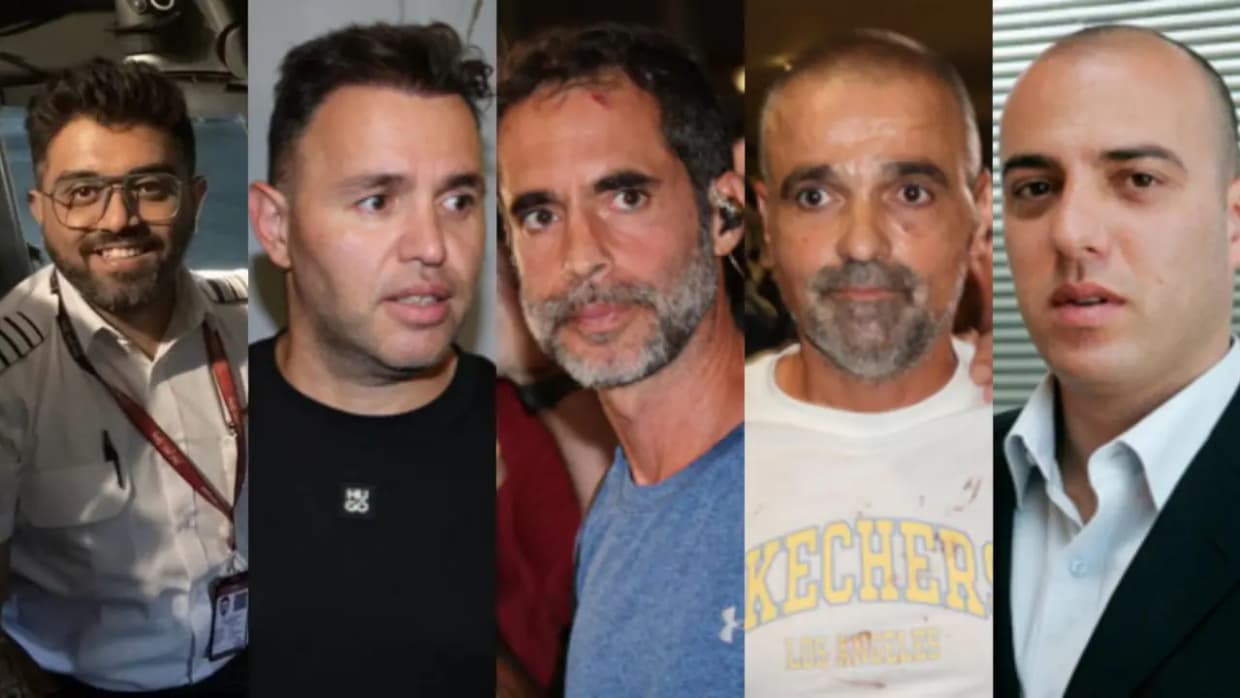
The heroes of that flight were extraordinary:
Critics argue that calling this a miracle diminishes the literal blood, courage, skill and resourcefulness of the people who saved the flight.
Nothing could be farther from the truth.
We all know the story of the splitting of the sea. But do we remember that the sea did not split immediately?
According to the Midrash, Nachshon ben Aminadav walked into the water, continuing forward until the water reached his neck. Only then did the sea split.
He risked his life, trusting that God would intervene.
But is that allowed?
Can I blindfold myself, walk across a freeway and say, “I’m counting on God to perform a miracle”?
Of course not.
So why is Nachshon praised?
Because he wasn't counting on a miracle for himself. He was willing to risk himself for the sake of the entire Jewish people.
He did everything a human being could do. And then God did the rest.
We just went through Rosh Hashanah and Yom Kippur. In our prayers, we repeatedly recall the miracles of God taking us out of Egypt.
Every Friday night, in Kiddush over wine, we do the same.
Hey — it’s not Passover. Why do we keep talking about the Exodus?
Because human beings have a remarkable tendency: When something goes wrong, we blame God. When something goes right, we take the credit.
The Torah warned us about this thousands of years ago. Moses tells the Jewish people that after they enter the Land, build homes, prosper and accumulate wealth, they may become tempted to say: “My strength and the might of my hand have made me this wealth.”
And immediately comes the correction: “But you shall remember the Lord your God, for He is the One who gives you the strength to make wealth.”
The Torah isn't denying our strength. It’s reminding us where our strength comes from.
Interviews with some of the passengers on the Flydubai flight are filled with accounts of prayer.
People recited the Shema — the declaration of faith that traditionally accompanies us at the moment of death.
One young passenger said, “I prayed and touched God.”
The heroes of Flydubai Flight 1073 are real. Their bravery was beyond, beyond. They ran into the proverbial sea.
They fought, they bled, they used their training and their ingenuity, and they saved lives.
And with all of the other factors that came together — factors we could chalk up to “coincidence,” “luck,” “nature,” or simply our own “strength and might” — we were granted a miracle.
Just before the sea split, the Torah tells us that there was a great wind. What is this — the Weather Channel?
When I was a young girl in Hebrew school, I was taught the “real” explanations for the miracles in the Torah.
The Plague of Darkness? Perhaps a total eclipse. The splitting of the sea? Maybe it was a low tide. We can always find another explanation.
And that is part of having free will. We are free to say: It wasn't Divine. It was nature, science, coincidence.
It was us.
Human beings indeed acted heroically. But acknowledging their heroism does not require us to exclude God. Both are true.
After all the inner spiritual work of Rosh Hashanah and Yom Kippur, we immediately begin building the sukkah.
The walls of the sukkah remind us of the Clouds of Glory that protected the Jewish people in the desert. We were protected — but we also had to do our part. We had to build, act, and move forward.
We need the humility to understand that our strength, courage, intelligence and ability are themselves gifts.
The passengers on that flight were heroes. Their actions should be celebrated; their courage should be honored.
And perhaps we can honor them even more deeply by recognizing that their extraordinary human strength does not make a miracle unnecessary. It may be exactly what a miracle looks like.
May we continue to rise here, each and every day, doing everything within our power — and merit the miracles from Above.








With all the heroism, which was amazing and very real, it was an extraordinary, unbelievable, amazing miracle. Each thing that happened was a miracle. That each brave act of heroism actually worked, was a miracle. According to the laws of nature with which G-d created the world, the chances of this story ending the way it did is probably .000000000000000000000000000000001%. And that's an understatement.
Yes, the heroism was amazing.
And the miracle was even more amazing.
People who can hear such a story and say it wasn't a miracle are astoundingly intellectually blind. They're walking around with mental blinders on their brains.
Just my opinion.
Agree!
The passengers and the pilot did what they could, that was heroism. That the plane wasn't more damaged ad that there were not one, but two! pilots on board, as well as a medical professional for the pilot, was a miracle, also that the pilot wasn't killed and managed to open the cockpit door.
Yes!