 Iran and the Freedom of Passover




3 min read


Passover insists on telling the whole story, warts and all, because you can’t become free without being honest.
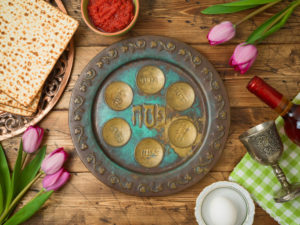
On the night of the Seder, we tell the story of freedom.
You might expect it to begin with triumph. Instead, it begins with something uncomfortable: “Originally, our ancestors were idol worshippers…”
The Talmud instructs us to “begin with shame and end in praise." Before we speak of miracles, we speak of weakness.
It’s a strange way to tell a victory story and it may be one of Judaism’s most countercultural teachings.
Most nations sanitize their beginnings. Judaism does the opposite.
The Haggadah doesn’t airbrush our failures. It reminds us that we came from broken places — morally and physically.
Slavery, idolatry, confusion.
The message is subtle but powerful: Redemption isn’t the story of perfect people. It’s the story of people who changed.
In a world obsessed with reinvention, Judaism insists on memory. Jews don’t just celebrate liberation, we remember degradation.
Because forgetting where we started breeds arrogance. The Seder forces us to confront our vulnerability before we drink wine in celebration.
And that order matters.
Growth requires honesty. You can’t experience redemption — in a relationship, in character, in faith — without first acknowledging what needs redemption.
The Haggadah builds that humility into the script. Not as shame for shame’s sake, but as contrast.
Darkness makes light visible.
Unlike mythologies that portray founding heroes as flawless, the Torah highlights our ancestors’ struggles. Abraham questioned, Jacob wrestled, the Israelites doubted in the desert.
Judaism doesn’t hide human frailty. It frames it as the beginning of transformation.
We live in a time of curated identities. Social media profiles. carefully edited narratives, highlight reels.
Passover cuts against that artificiality. It says: Tell the whole story; not just the polished ending, but the messy beginning.
Because that’s where gratitude is born. If we don’t remember where we began, we won’t recognize how far we’ve come.
And if we don’t recognize growth, we’ll never feel truly free.
The Jewish story follows a pattern:
Contraction before expansion.
Exile before return.
Darkness before dawn.
Passover doesn’t promise a life without struggle. It promises that struggle can become the doorway to something greater. But only if we acknowledge it first.
So the Haggadah begins not with pride, but with perspective and honesty.
Freedom is about understanding who you were and choosing who you’re becoming.
So we start the Seder with shame because redemption only feels miraculous when you remember what it replaced.