




 The Anthropologist Deconstructing Antizionism



4 min read


Discover how the four species mirror logic, heart, curiosity, and expression, reminding us that true unity comes from weaving our differences together.
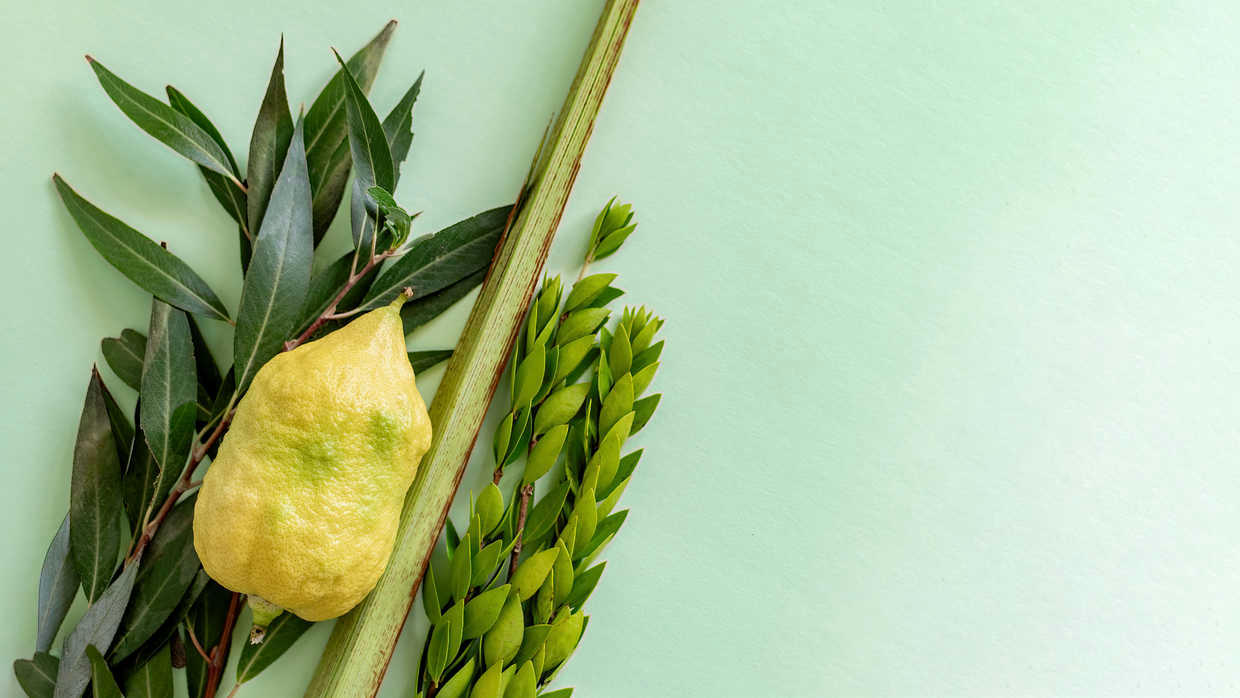
Sukkot is a holiday full of joy, gratitude, and connection—and it comes with one of the most visually striking mitzvot in Judaism: the Four Species. Every year, five days after Yom Kippur, we gather the lulav (palm branch), etrog (citron), hadasim (myrtle), and aravot (willow) and wave them in all directions.
The Four Species serves as a deep mirror into our own personalities and the people around us, with each one representing a different type of person—and a different part of yourself.
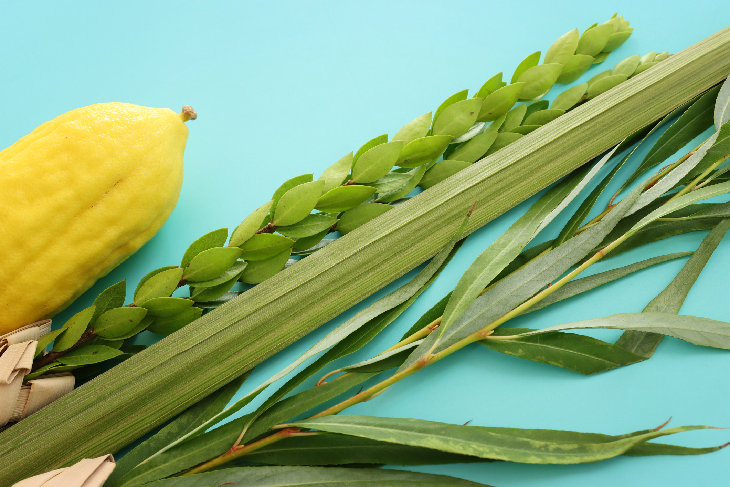
Tall, straight, and unyielding, the lulav is the logical one. Like a spine holding the body together, these thinkers plan, build, and create order in the chaos. They’re the problem-solvers, the spreadsheet-makers, the ones who level the sukkah walls twice just to make sure they’re sturdy. They keep things steady when everything else feels wobbly.
Shaped like a heart and glowing with vitality, the etrog represents the emotional, passionate people in our lives—and in ourselves. They’re the connectors, the ones who care deeply, love openly, and remind us why relationships matter. They’re the friends who show up with soup when you’re sick, or who get teary-eyed at a wedding. Their warmth infuses life with meaning.
The myrtle’s tiny leaves are said to resemble the eyes, always searching, always curious. These are the seekers—the questioners, the learners, the ones who probe beneath the surface to understand the world in all its complexity. They’re the people asking “But why?” at the Shabbat table, or diving into books and ideas, never satisfied with shallow answers.
The willow’s soft, flexible branches are all about expression. These are the storytellers and connectors, the ones whose words bring people together and whose ideas come alive only when shared. They’re the friend who keeps the group chat buzzing, the relative who starts the singing in the sukkah, the person who makes sure nobody feels left out.
Forget BuzzFeed quizzes—Judaism had its own ancient personality test. The Midrash (Vayikra Rabbah 30:12) teaches that each species corresponds to a part of the body: the lulav to the spine, the etrog to the heart, the hadasim to the eyes, and the aravot to the lips. Together, they symbolize the whole person serving God.
The species also represent different kinds of Jews. Some shine in Torah learning, others in good deeds; some radiate deep faith, others express sincerity in simple acts. The mitzvah isn’t to wave them separately but to bind them together. Why? Because no Jew is whole without the others.
And on a personal level, the Four Species remind us that none of us is one-dimensional. We’re all a mix of logic, heart, curiosity, and communication. Recognizing this not only helps us understand ourselves but also teaches us to appreciate the people who balance us out.
The magic of the mitzvah is that we never wave these species alone. Each has its role, and only together do they create harmony. Think of a Sukkot meal: the planner who organizes the seating (lulav), the heart who fills the table with warmth (etrog), the explorer who sparks deep conversations (hadasim), and the communicator who keeps the stories flowing (aravot). Alone, each one is incomplete. Together, they make the night.
So this Sukkot, as you wave the lulav and etrog, let it be a reminder that life—and people—are beautifully complex. Celebrate your own mix of logic, heart, curiosity, and expression. Appreciate those around you who bring qualities you lack.
And remember: unity doesn’t come from sameness—it comes from weaving differences together.









Maybe someone should explain this to the DEI people?
Very informative. Thank you