






For the past twelve months Sderot has been living in a modern twisted version of hell. You can feel the reverberations of October 7th across the streets and parks of the city. The constant fear of another “RED ALERT, RED ALERT” blaring from the city speakers keeps everyone on their toes. The echoes of the hostages and 1,200 lost that day ring in the ears of all.
Up until four months ago Sderot had been a ghost town, only the few and the brave remained in the city as the entire Gaza “envelope” was evacuated to Tel Aviv, Eilat, and the Dead Sea.
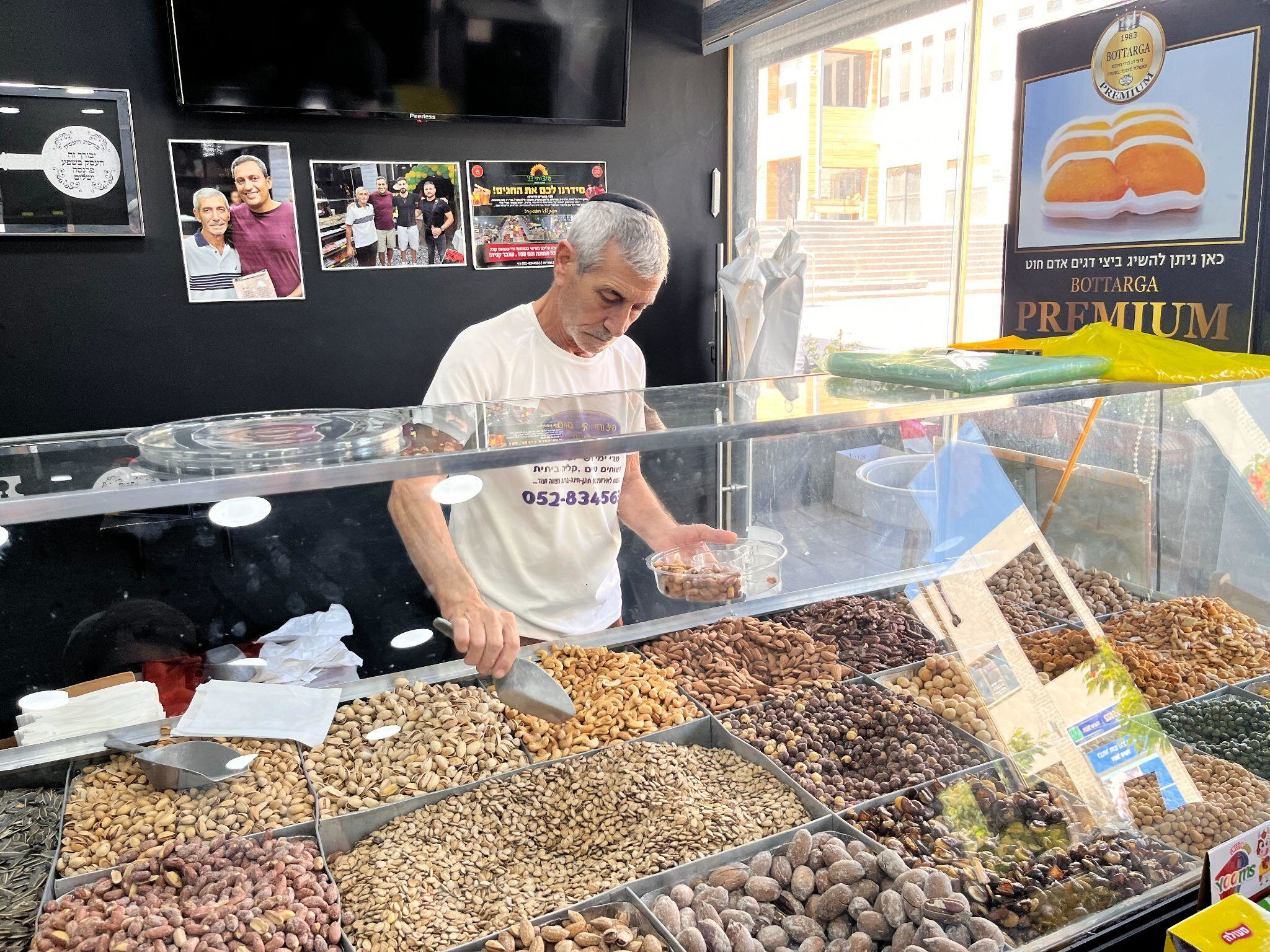
One of those brave few was Danny Swissa of Swissa Pitzuchim. Swissa has been living in Sderot for over 50 years. Well before the first rockets fell in 2001, decades before 2005 saw the IDF leave Gaza and Sderot became Israel's first line of defense against Hamas. When the sewage system was non-existent and the housing was nearly unlivable. All because of his dream, the Israeli dream, of being a pioneer in the south.
After working as a real estate developer for the first half of his life he was looking for something a bit more rewarding and started helping out in his son's Pitzuchim institution. Pitzuchim are Israeli snacks, ranging from roasted sunflower seeds and watermelon seeds to candied almonds and spiced peanuts. In the Sephardi community it's a rite of passage to bring home several big bags of various Pitzuchim for Shabbat tea time.
Swissa's entire family was involved in the Pitzuchim business, two of his brothers had popular roasters in the south of Israel and his cousins had a few shops of their own.
Although Swissa started by working just twice a week he soon fell in love with the process of roasting each seed to perfection and giving it his own special twist, to ensure ultimate client satisfaction. He soon became known throughout all of Sderot and the Negev for his warm smiles and delicious roasted watermelon seeds, roasted in what he calls “the Kurdish technique,” a new way Swissa invented to give a smokey and savory flavor to the seeds.
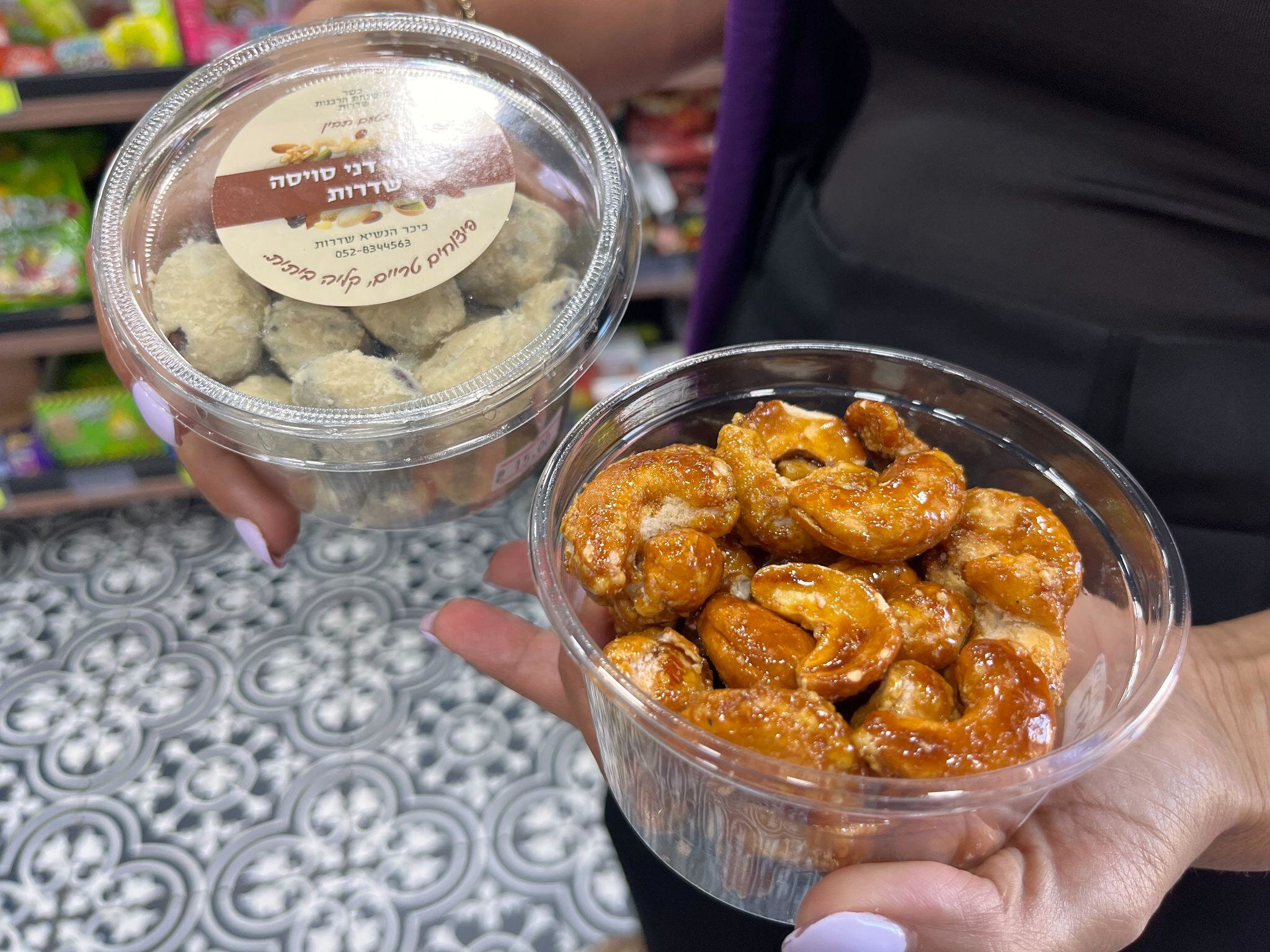
Which makes it all the more heartbreaking that when those first rockets landed on the outskirts of Sderot and nearly all of Sderot was evacuated, that both his family and his business was completely broken apart. But that didn't stop Swissa. He stayed in Sderot, when all the others left. He worked day and night in the roastery, filling up bag after bag after bag of nuts, seeds, and snacks before delivering them to his customers and to soldiers that were dispersed throughout the country.
While Gaza has always been known for its vulnerability to rocket attacks and the ever-present tensions with Gaza, the town is also home to an extraordinary food scene that remains largely under the radar. On a recent food tour of Sderot, I had the opportunity to explore this hidden culinary gem, where home-cooked flavors, tradition, and resilience blend together in each dish. The events of October 7th and the ongoing conflict are hard to escape, but the people who serve these incredible meals use food to heal, to bring people together, and to reclaim a sense of normalcy amidst the chaos.
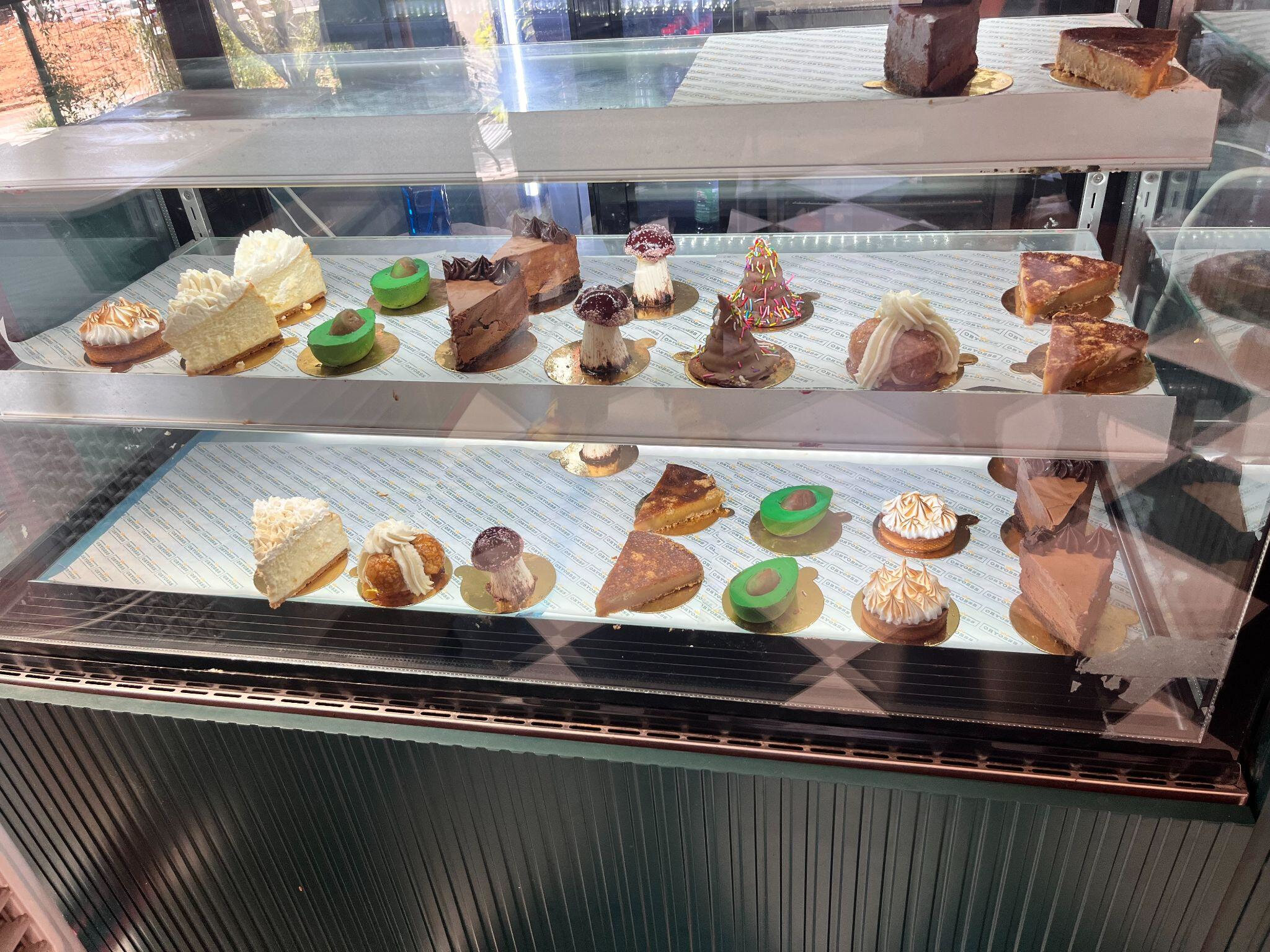
From the outside Oryosss seems like just another one of many of the wonderful bakeries and cafes Sderot has to offer. But it's the offerings inside the shop that betray the modest exterior.
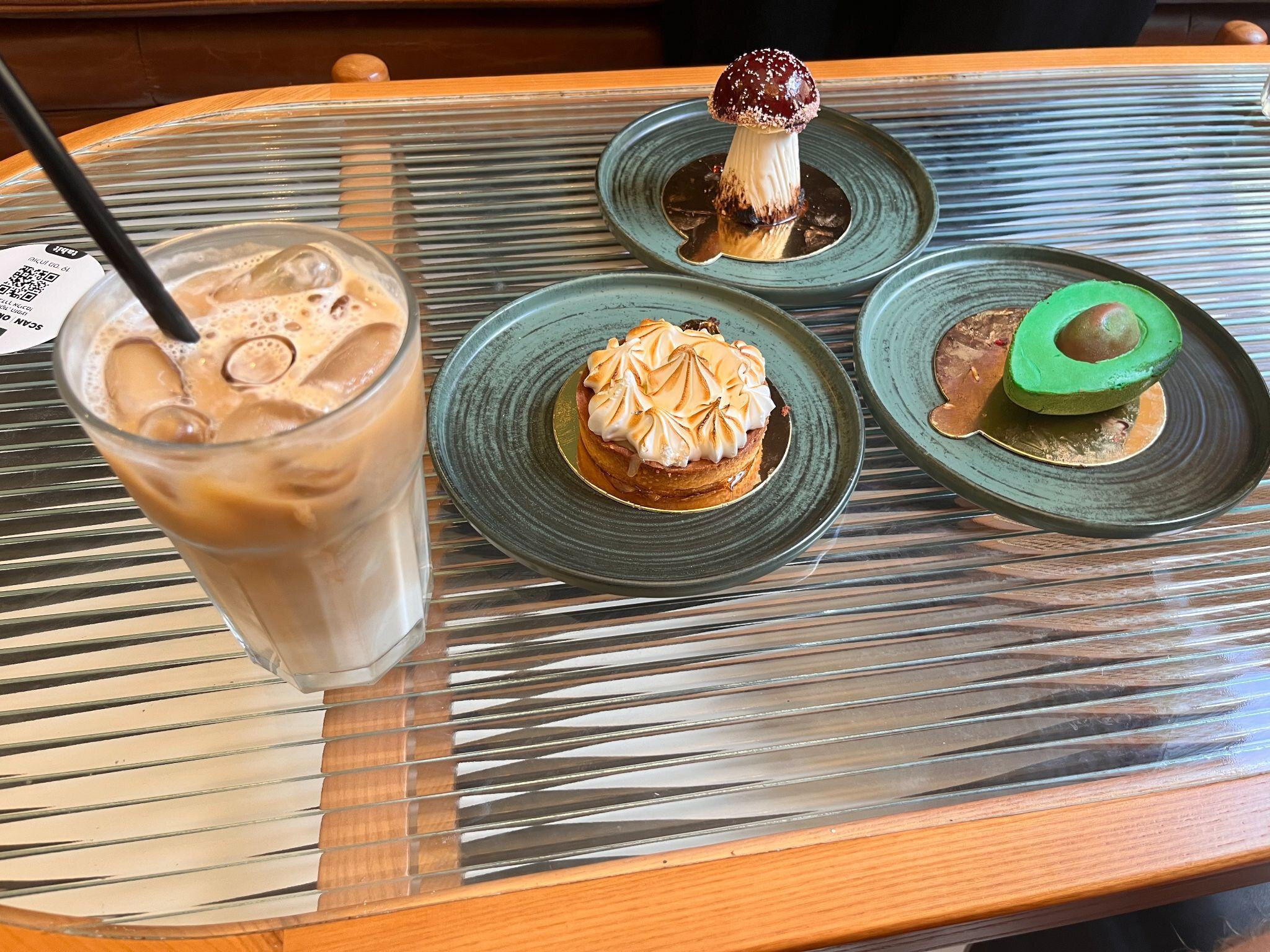
Starting with head chef Or Shukrun's signature dessert, the Sea Salt and Pistachio mousse, with a hardened milk chocolate center, formed in the shape of an avocado. Which serves as an ode to head chef Or Shukrun's hometown, Erez, a small town near Sderot known for its avocado trees.
Next up is the lemon meringue tart, with the most delectable tangy filling and fluffy toasted meringue topping now a mainstay on the menu in honor of Amir Na'im. A former barista at the shop, who was tragically murdered on October 7th, always claimed it was his favorite dessert.
Under the tutelage of legendary pastry chef Amaury Guichon, Or learned to create her signature mushroom dessert. A moist vanilla almond sponge cake, topped with fresh strawberry compote trapped in a vanilla mousse dipped in white chocolate, and yes, all in the form of the most delectable mushroom imaginable.
“It's a challenge making unique desserts for Israelis.” She tells us. “They see something unfamiliar and they get spooked. I see it as my job to slowly introduce new flavors to the Negev.”
Or is unafraid of bold flavors however, dishing up Yemenite Kubaneh and Coffee spiced with Hawaij, Or honors her roots in every aspect of Oryosss.
After just one bite of her pastries it's clear that her dreams of opening a chef restaurant in the South of Israel is more a question of when than if.
Being a restaurateur is one of the riskiest and hardest things you can do in the world. Add in the fact that at any minute a missile could be fired above your restaurant and the risk is doubled. But people here aren't built the same. At Pasta ViZehu, the owner claims “You can almost taste the Emuna (believe) in each bite.” He continues, “Sderot is somewhere between Heaven and Hell. It's that dichotomy that I want to show the people that come here… It’s to turn the switch in their minds that Sderot is so much more than what they thought.”
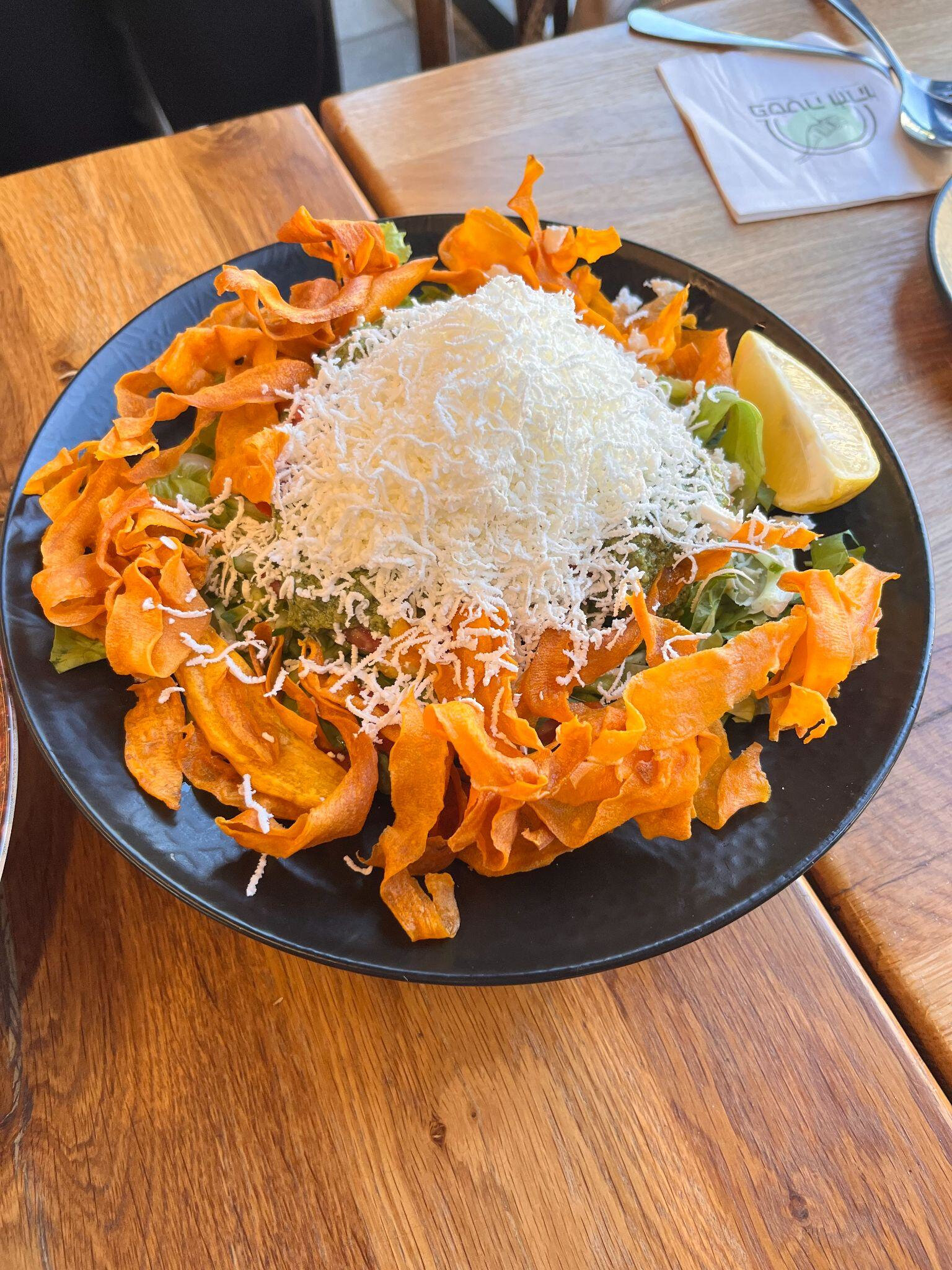
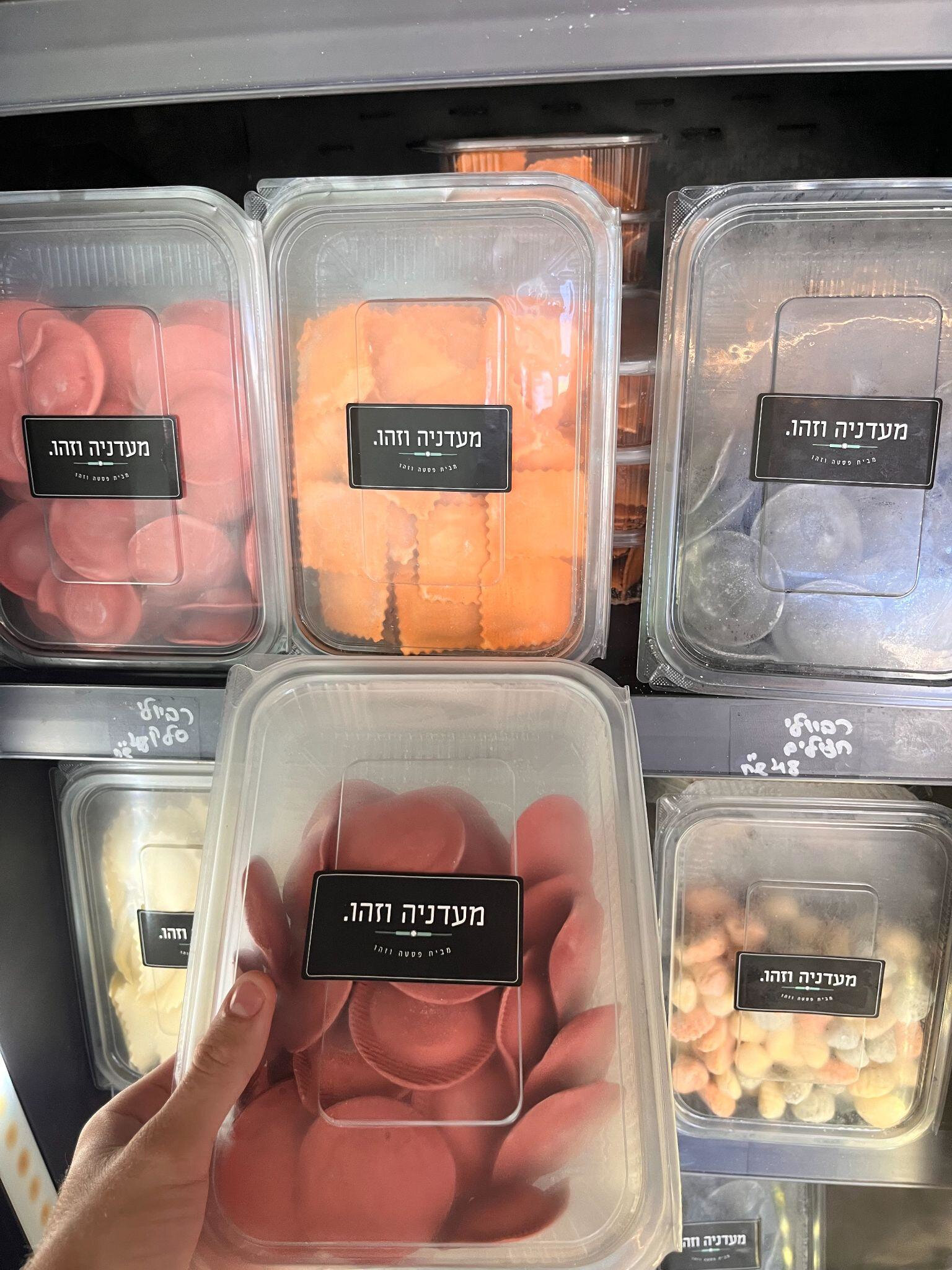
Originally opened out of a dorm room for the 10,000 students that study in Sderot, Pasta ViZehu dished out gourmet pasta to local students on a budget. However in the decade since then, the restaurant has grown into one of the largest fresh pasta makers in the South, cranking out Fettuccine, Spaghetti and Ravioli by the kilo.
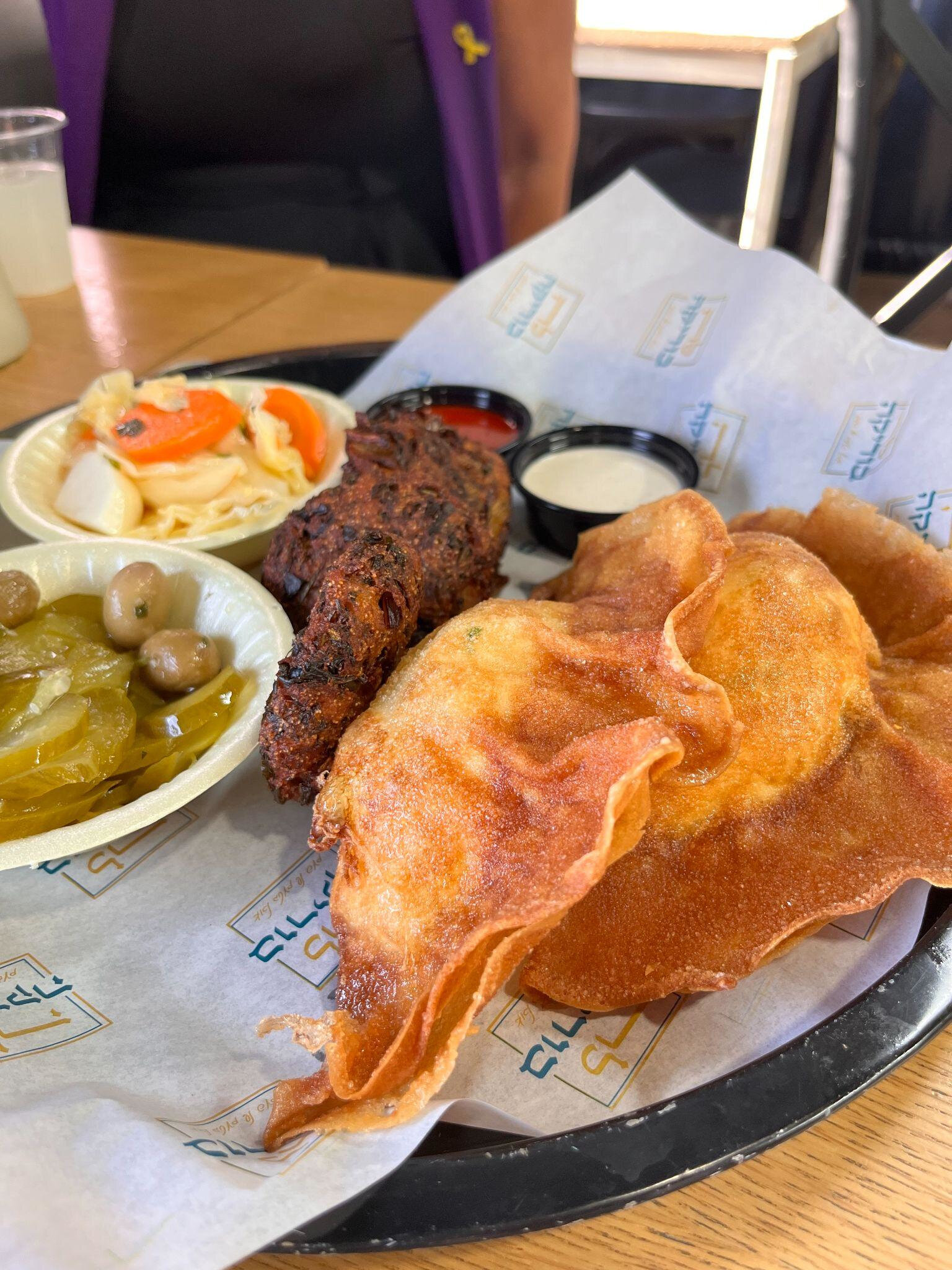
At Pi-Tasbih, an innocuous looking pita shop in the backyard of someone's home, hides some of the best schnitzel in town. This spot has been a mainstay since Israeli rockstar Chaim Uliel first put Sderot on the map. His family has been serving home-brewed coffee, falafel, sabichs and schnitzel out of their porch for decades now. While this spot was once a hub for artist rendezvous and performance arts. Inviting the cream of the crop of Israeli talent and even the best musicians the Gaza strip had to offer.
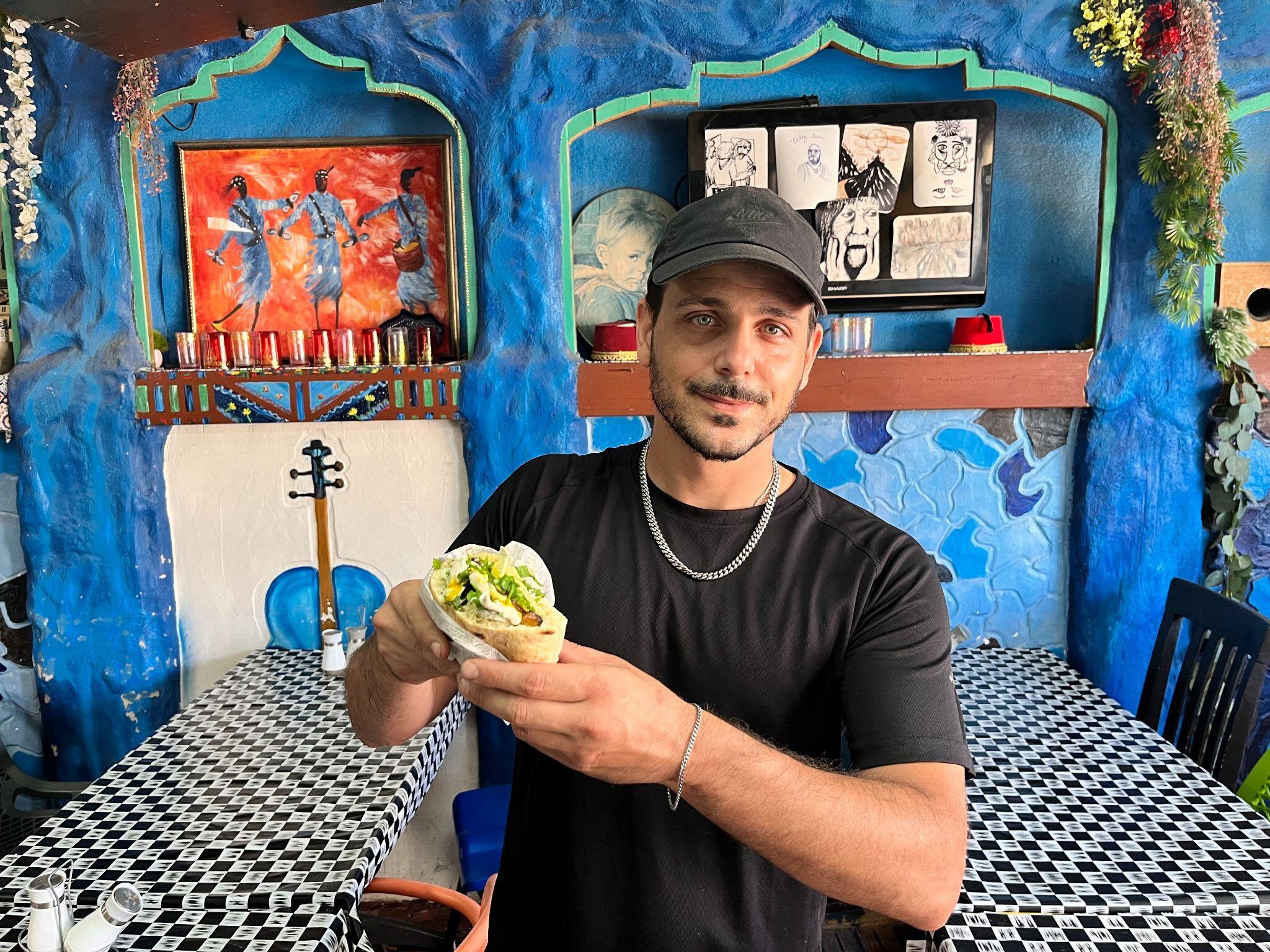
Now owned by Uliel's nephew he tells us that Sderot's motto has always been “together, anything's possible.” Cooking out of his home, for everyone to see, made this a place of pilgrimage for Israeli soul food lovers. This sense of communal eating and togetherness is felt in every bite of the crispy chicken sandwiches and deliciously spicy shakshuka.
As we neared the end of the tour, I couldn’t help but feel the heavy contrast between the beauty of the food and the reality of life in Sderot. The conflict in Gaza looms large over everything here. And yet, for the people of Sderot, food is a way of pushing back against that darkness. It’s a way to assert their right to live, to enjoy life, and to share that joy with others.
The food in Sderot is, in many ways, a form of resistance. It’s a refusal to let fear and violence define their lives. The owners and chefs who serve these meals are doing more than just running restaurants — they are keeping alive the soul of a city that refuses to be broken.
This whole culinary journey throughout Sderot was led by the wonderful Adi Rozen of A Culinary Story.
She's been leading culinary tours of the south to show a slice of life most Israelis typically ignore in favor of bustling culinary metropolises like Tel Aviv and Jerusalem. A resident of the Gaza envelope herself, Rozen knows only too well the newfound importance these tours have since the tragedies of last fall.
However, she sees this as a sign that she's on the right path. Showing the good parts of the Negev, is her form of therapy, her way of dealing with PTSD. She's taken foreign tourists, bougie Israelis from the North, and even combat soldiers from the frontlines to show them what they're fighting for.
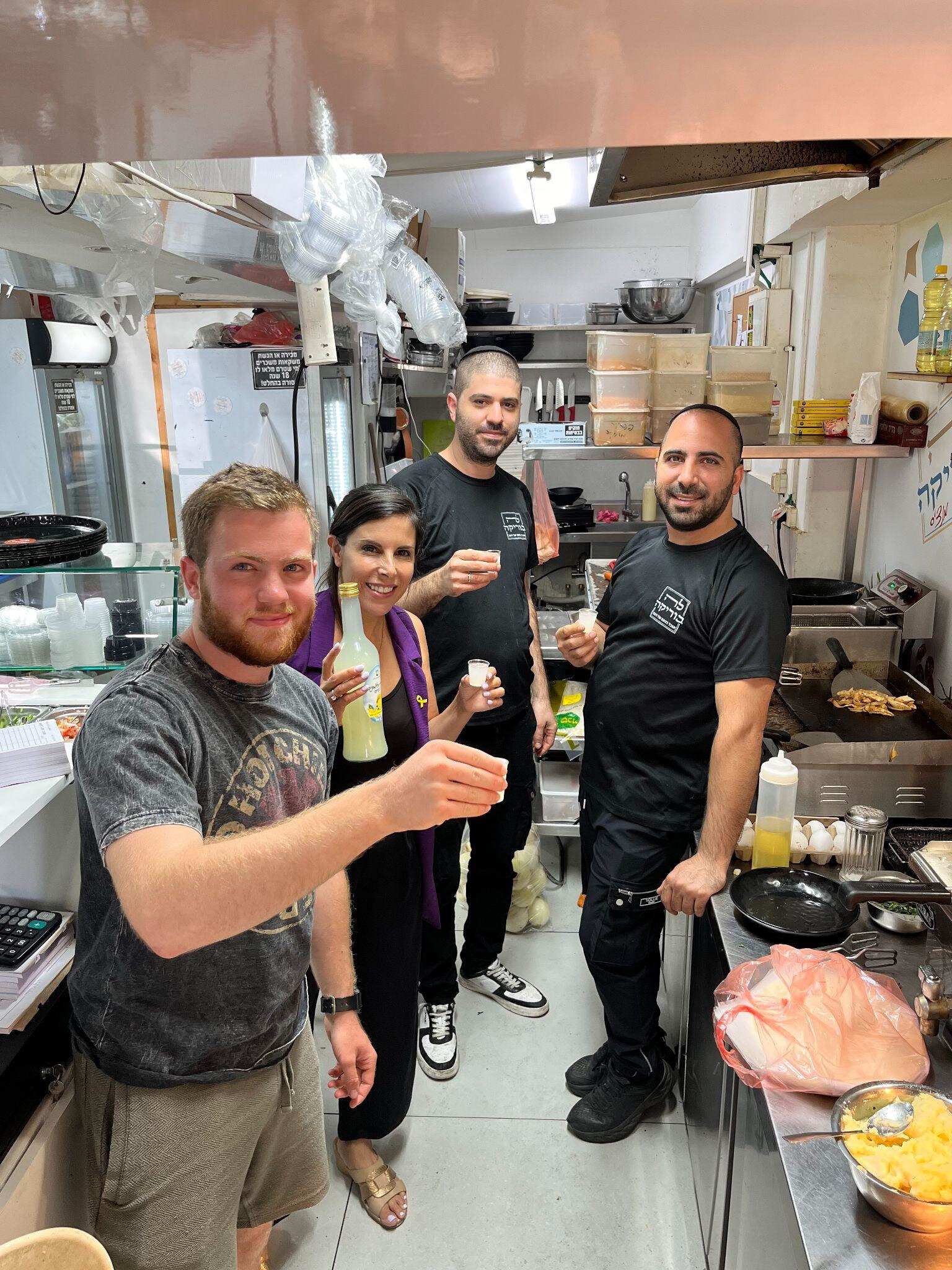
Adi sums up the tour with a shot glass filled to the brim with limon-arak, a popular concoction of the anise-liquor Arak and tart lemonade. “Food is only the medium,” she says. “The goal is to open your hearts. We've survived 3000 years not by luck or pure chance, but by helping each other. Hopefully through the perfect bite we can come together, closer, and be more united than ever before.”












So heartwarming! Hatzlachah rabah
So, so very proud of them. Continue thinking the way you do now……it will catch on!!!
Amazing people! Live long, be well and prosper! Hashem be with you always!