







 Seven Reasons for Hope on October 8

17 min read
12 min read





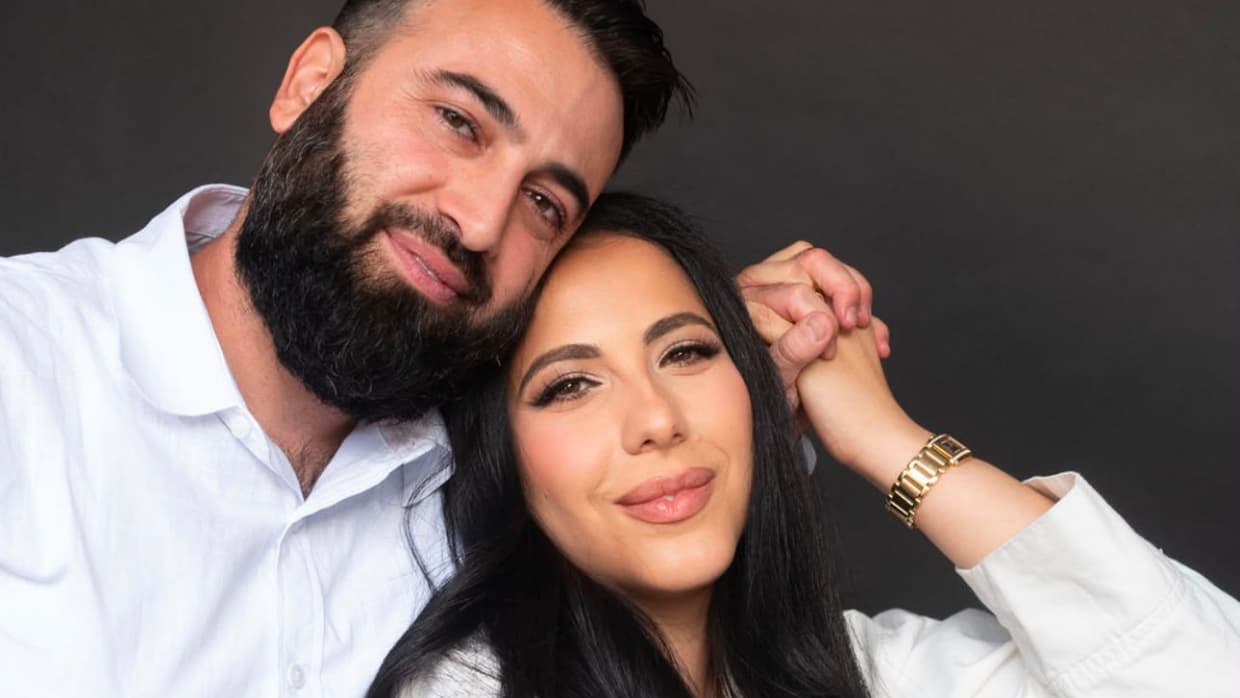
After a decade of infertility, Sahar lost her baby before he could come home. She turned her grief into a mission.
After more rounds of IVF than Sahar could count, she said to her husband, “You can leave me, it’s okay. You deserve to have a child.”
“I married you because I love you. Baby or no baby I’m with you for life.”
Sahar and her husband, Ian, met on an Aish trip to Brazil and were engaged after three months.
While Sahar planned the wedding, she struggled to lose weight and went to the doctor to check for a potential thyroid issue. He randomly tested her AMH level and delivered a shocker: “I think you should start IVF; your egg count is low and you need to freeze them.”
Sahar couldn’t believe it. She was only 26 and not even married.
Several family members, also physicians, told her to wait and that everything would be fine.
After the wedding and a year of trying naturally, Sahar was still not pregnant. She returned to the doctor; this time her egg count was even lower.
She began IVF but each time it failed. Every three months Sahar did IVF, yet nothing worked. Almost five years passed and still nothing. Then in 2020 Sahar became pregnant.
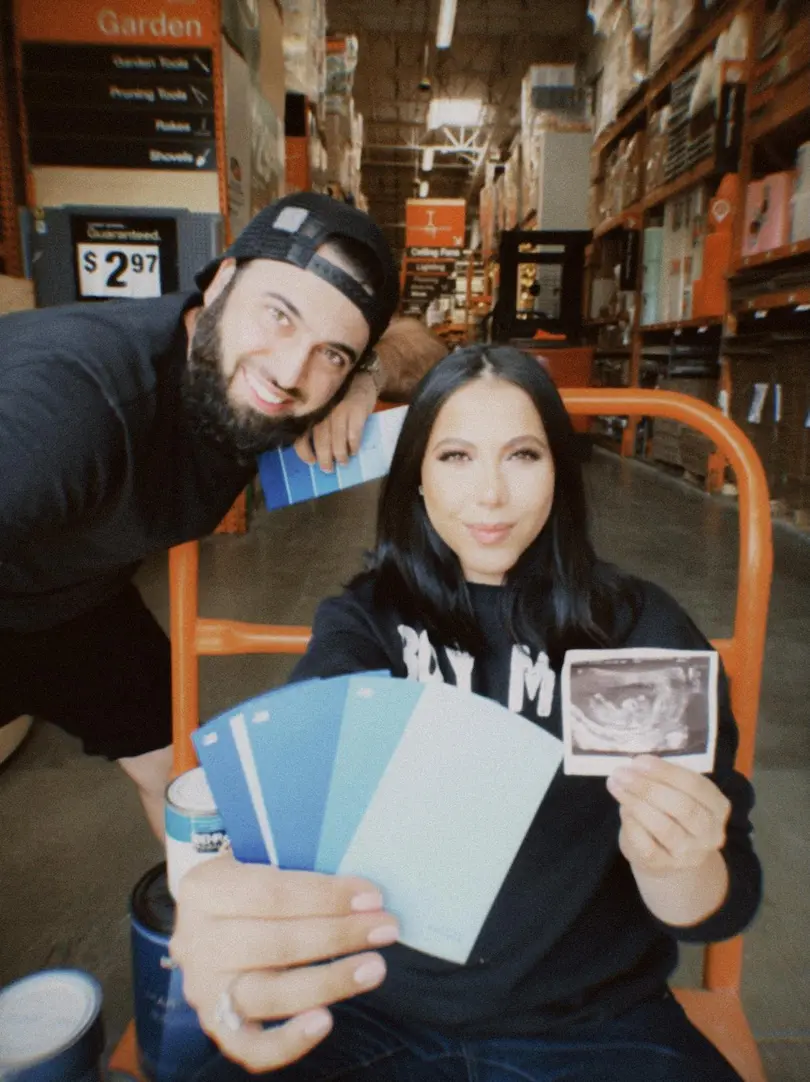 Pregnant with our son, Ness
When she learned she was having a boy, they decided to name him Ness, miracle in Hebrew.
Everything was going well until one morning her husband said, “Woah, you lost weight!”
Sahar was eating well and laughed off his comment. Then she looked in the mirror and thought, Omg! I feel like my stomach shrunk.
She went to the doctor. As he performed the ultrasound, he became quiet.
He said her amniotic fluid was low and she should see a specialist.
The specialist looked at the screen silently and said, “Sahar, I don’t know how to tell you this but one of his kidneys is completely destroyed. You need to call your husband. It doesn’t look good.”
The baby had LUTO, a rare disorder where the penile structure is clogged with amniotic fluid causing kidney failure. And because the amniotic fluid couldn’t circulate the other kidney was also failing. Within hours her life became medical journals, specialists, late-night research, and desperate prayer. There was only one fetal surgeon who could perform the surgery Ness needed.
Sahar began researching similar cases. Almost none of the babies survived; if they did, they required either dialysis or a kidney transplant. Her hopes began to fade but she still went through with the surgery.
“They sampled my amniotic fluid to see if it was genetic—it wasn’t. They made a hole in my stomach but couldn’t give me anesthesia. They tied down my hands and feet. I was traumatized from that because I still get flashbacks and nightmares. It was so painful and scary. The doctor placed a shunt in Ness’s kidney; the risk was he would pull it out and the surgery would have to be reperformed.”
Sahar stayed in the hospital for 10 days. Two days later the baby pulled out the shunt.
Many doctors urged her not to redo the surgery. Some said it was worth trying. Another told Ian, “If you ever hope to be a father, this is the only way.” The pressure was intense.
While Sahar and her husband deliberated, she lost the baby.
“I had imagined giving birth a thousand ways—the delivery room, the first cry, holding him, bringing him home. Instead, I went in knowing he would never come home. I saw the empty bassinet beside my bed and broke down. I labored for nearly two days as an infection worsened and my fever climbed—my body refusing to let go of the child I’d fought so hard to keep.”
After delivery the nurses asked, “Do you want to see your baby?”
Sahar couldn’t do it. She wanted to view the experience as a miscarriage, nothing more.
The next morning a therapist offered her one last time. “Are you sure you don’t want to see your baby? You might regret it…”
Sahar changed her mind. As she held him in her arms she was awestruck; he was fully developed. A nurse took a picture of them with him.
“The moment they placed him in my arms, everything changed. I traced his tiny fingers, his beautiful face, his tiny Persian unibrow. He was perfect. We just held him close and cried.
I fell completely in love with him at the same moment I had to say goodbye.
“’Look how beautiful our son is,’ I kept telling Ian through my tears. I fell completely in love with him at the same moment I had to say goodbye. I held his small body for as long as they would let me. When they finally took him, a part of me left with him.
“I cried for the life he never got to live, the nursery that would sit empty, the birthdays that would never come, the first words I’d never hear, the boy I’d never watch grow.”
Sahar recalled the photo musician John Legend and his wife Chrissy Teigen shared of their stillborn baby on Instagram.
“I didn’t understand at the time. But it hit me then, Oh my God! Now I understand why they did that…”
The hospital made a keepsake book for them to take home. “I would go to my backyard with it and cry for hours. I had never felt this type of pain before. I was numb.”
People suggested therapy; Sahar wasn’t interested. Others told her to put the picture away; Sahar wasn’t willing. Finally, a friend said, “Sahar, put the picture away in a safe spot and you can look at it any time you want.”
She put the picture in their safe.
Her sister’s wedding was approaching.
“Walking down the aisle and seeing everyone cry while I was smiling hurt me more than people realize because I didn’t want to be a pity case.”
Despite everything, the wedding was one of the best nights of Sahar’s life. Afterwards, Sahar’s sister and brother-in-law insisted she and Ian join them on their honeymoon in the Bahamas.
They accepted.
One month prior, the doctor tried to extract an embryo. On the way back from the trip they got a call: the quality of the eggs was so low they didn’t even last seven days. The doctor said it was time to get an egg donor and find a surrogate.
Ian was open to it; Sahar refused. She tried IVF again and again without a break.
At one point she said to Ian, “It doesn’t look like I’m ever going to give you a child. I know you want your own kid. Leave me.”
Ian insisted that would never happen and he loved her no matter what.
“I tried my best to act like I was okay, but I was not okay at all.” Her IVF attempts continued to no avail.
Two more years passed—two more years of injections, hormones, disappointment, waiting rooms, and heartbreak. Sahar wasn’t living anymore; she was surviving. Almost a decade had been consumed by infertility.
Sahar told herself if the next IVF didn’t work, they would adopt or become foster parents. She applied but was told it would take years. She didn’t even tell Ian, assuming it would never happen.
The doctor told her she needed to lose weight. Rabbis told her she should start keeping Shabbat.
Sahar had no interest. “Before we got married, I told Ian, ‘I don’t want to ever keep Shabbat. Can you accept that?’ He did. Ian and I grieved differently: He leaned toward God. I ran away from Him.”
Needing a reset, Sahar began attending Torah classes. Although she initially had no interest, something pulled her to learn more. At the same time she went to a boot camp and care spa to lose weight.
She lost a total of 20 lbs. and committed to keeping one Shabbat.
The very first Shabbat I kept, I found out I was pregnant.
“I didn’t want to connect, but I found myself connecting. I was pushing away but drawn toward Judaism at the same time. I was so angry with God I even went out of the way to eat non-kosher food.
“The very first Shabbat I kept, I found out I was pregnant. That same week, the agency called—I had been approved to adopt a Jewish baby. It was crazy how everything fell into place at once, after years of nothing moving at all.
“Not long after, Ian got a call too: the agency had a child for us. He was stunned and kept insisting it was a mistake. When I finally told him I’d submitted the application and been warned the wait could take years, he understood that it wasn’t a mistake. It was God moving pieces.
“I wasn’t ready to accept someone else’s baby, so we declined it and moved forward.”
Sahar was scared but happy to be pregnant. She didn’t want to get her hopes up.
When her son Shem was born, everything seemed fine…at first. But his heart rate was low and he was taken to the NICU. There the doctor found something concerning on his spine.
For three days there were no results. “I walked around the lobby crying and talking to God, ‘Why do you keep testing me?’”
In the NICU restroom Sahar whispered to God, “God, please don’t test me! I’ll commit to covering my hair on Shabbat.”
When she returned to the lobby, she saw the doctor had called. “It’s just fatty tissue; nothing to worry about.”
Sahar brought the baby home and thank God everything was fine.
“I collapsed with relief. From then on, my relationship with God began to change, little by little. I promised myself I’d only cover my hair on Shabbat and holidays. Then, I caught myself reaching for my headscarf more and more.”
As her own healing continued, people reached out to her, asking for advice or telling her they knew someone who’d been through a stillbirth and didn’t know who to talk to. People came to her for the words they couldn’t find anywhere else.
She started her Instagram page to share her story and her miracle and show other women they aren’t alone and it’s okay to talk about their loss. Her inbox was flooded with messages from women who’d lost babies, families struggling with infertility, people carrying pain they’d never spoken aloud. Almost every message said the same thing: I thought I was the only one.
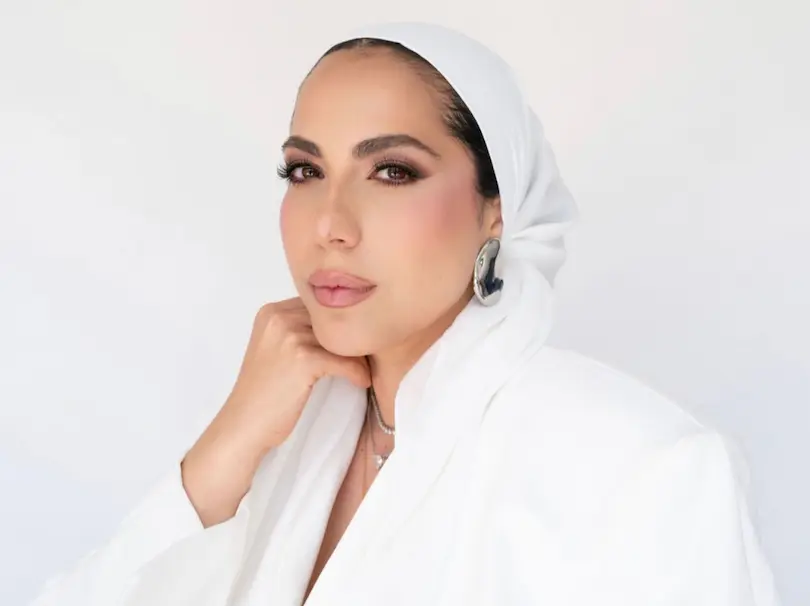
That was when Sahar understood her story was never meant to stay hers. That realization led her to create NESS, a company that sells and donates beautiful headscarves to help women with the mitzvah of covering their hair.
“One thing I always promised myself and my son is that he would never be forgotten. Although his time in this world was far too short, his life would continue to have purpose. His name would continue to be spoken, his story would continue to inspire, and his legacy would live on.
“NESS means miracle. Every headscarf is a reminder that even through life’s challenges, God brings beauty, hope, and miracles in unexpected ways. My prayer is that every woman who wears a NESS scarf feels confident, beautiful, and connected to God.”
Sahar and Ian moved to a Jewish area and slowly became more observant.
A year later they did IVF again. It worked right away and they had a second boy named Adir.
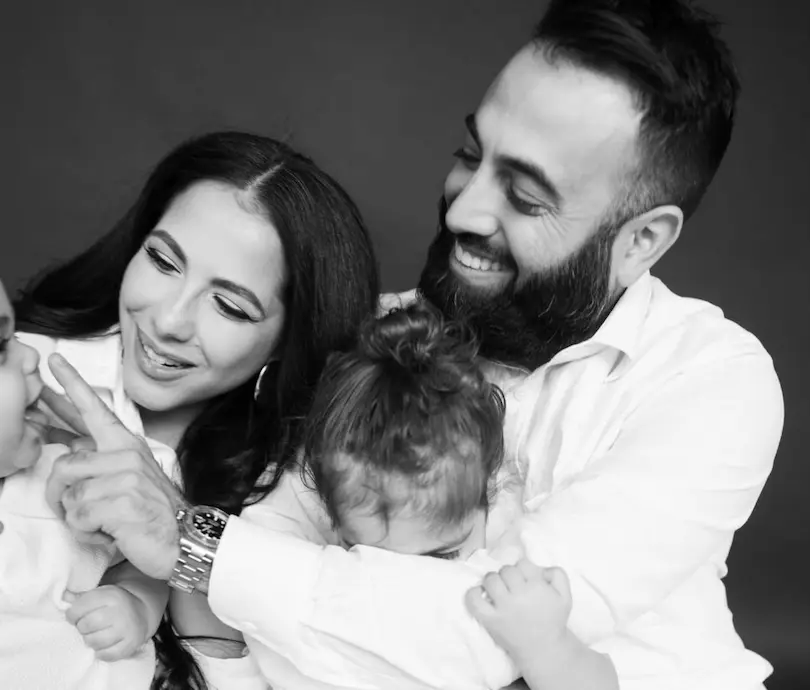
“I once swore I’d never live in Pico-Robertson. Today I can’t imagine raising my children anywhere else. I wanted them surrounded by Torah, community, and kindness.”
Enjoy your marriage. Don’t let IVF become your entire life.
One of my biggest regrets is not enjoying those years with my husband. I was so focused on having a baby I didn’t appreciate the season we were in.
If you don’t enjoy the time you have with your spouse before kids, you can’t get it back. Once you have children, your relationship changes forever. It’s no longer just the two of you.
We didn’t travel. We didn’t take advantage of our freedom. We didn’t have the expenses of raising children—but I was so consumed by IVF I missed that chapter of our lives.
Even when doctors tell you ‘no’, keep trying. There’s always hope!
If you can afford another round and you feel it’s right for you, don’t give up because others think you should.
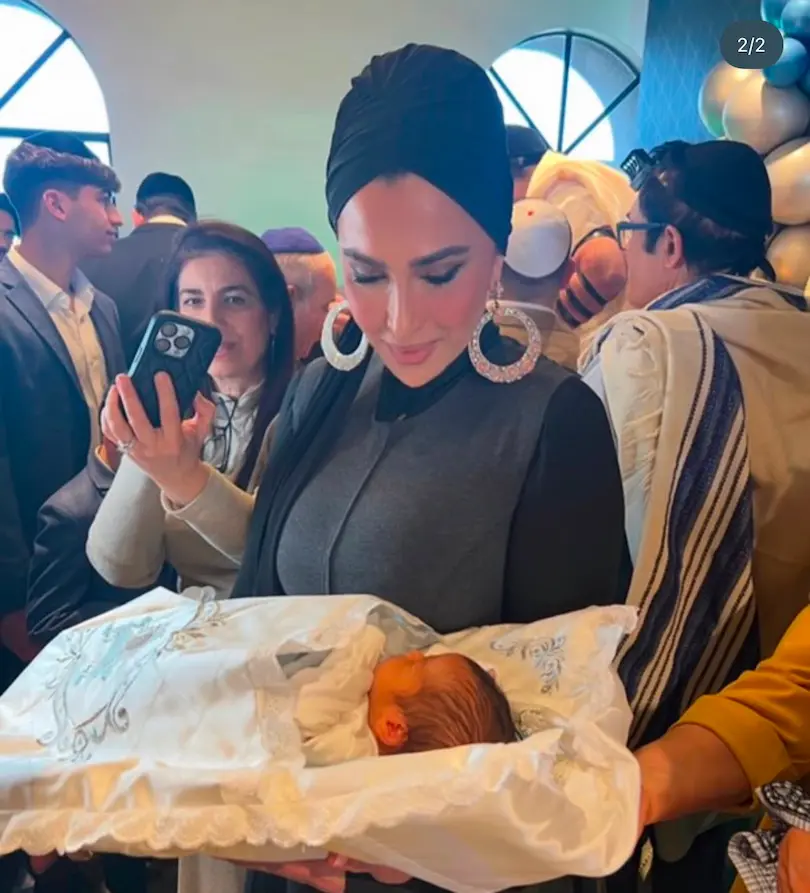 My mother at Adir’s bris
Throughout the process, I would talk to my stomach and picture myself holding my baby. I truly believed it would happen.
My greatest heartbreak became the beginning of my greatest purpose.
Taking care of your physical and mental health is vital. Stress and constant crying only make an already difficult journey even harder.
Stay positive. Keep telling yourself, “I’m going to have this baby.”
A friend recently called me after her first IVF cycle didn’t work. She said, “How did you do this for so many years?”
Yes IVF is hard—but not impossible. You’re stronger than you think. You’re a Jewish woman. You can do hard things.
“For years, I believed God existed but I didn’t truly trust Him. When everything fell apart, I questioned His plan. Now I have more trust, even when I don’t understand what He’s doing.
“That change came through the hardest chapter of my life. I still don’t understand every chapter of my story. Maybe I never will. But I do know this: God writes stories we could never write for ourselves. My greatest heartbreak became the beginning of my greatest purpose.”
Visit Sahar’s Instagram page at @makememodest.











What a story of Emunah and love. Sahar, you’re really an inspiration! Sending love! ❤️
Wow, amazing!
So inspiring. What a story. I’m so happy for where your faith has taken you. More beautiful testimonies ahead.
What a powerful and inspiring story.
Thank you for sharing your journey of courage, Emunah and Bitachon.
It is truly amazing to see how Sahar and her husband transformed their pain into growth, strengthened their connection to Hashem, and found purpose through their challenges.
May Hashem continue to bless them and their family with endless brachot, health, and much nachas.
so proud of you to be able to share & bring awareness and support to other people that going through pain and loss.
Such an amazing story. Sahar’s strength and faith are truly inspiring
Wow. Thank you for sharing such a personal and inspiring story. Your journey shows the wonderful ways Hashem works in our lives and what can grow from trusting Him. Your courage and emunah in not giving up are truly inspiring. May Ness's memory continue to be a blessing, and may your story continue to bring hope and inspire many more people. Wishing your family many more blessings!
so beautiful and what an inspiring story
This is such a beautiful, inspiring story. I'd like to point out for others who have not had success with IVF, that IVF plus accupuncture is sometimes successful. (Like with a real, Asian-trained Accupuncturist. )
Sahar and Ian Joon,
Hashem has truly blessed you. I am so happy to see what a beautiful family you have built together. Your strength and Emuna is admirable. May you have much Nachat from your precious boys, Shem and Adir. So proud of you!
The most incredible strong and powerful girl I know. This story has brought me to tears every time. I am so proud of you and this new chapter of your life. You deserve all this happiness and much more. I can’t wait to see you grow. 🩷
Sahar joon i’m writing this with the tears in my eyes, I’m so proud of you
you never gave up and your courage inspires everyone around you. Keep shining and sharing your light with the world.
Iian joon your love Faith and loyalty it’s something you proved every single day.
May God bless you both with your handsome children.
Love you Sahar.
Sahar and Ian, honestly I have no words , your strength and Bitachon really blows me away. You are a eal powerhouse. May you only have Nachat and real Simcha together from your children.
What an amazing story! Sahar is the strongest woman I know!
WOW!!!!!! BARUcH HASHEM!!!!!!!!
Wow what a story!! Sahar and Ian you both are truly an inspiration. Your story gives hope to so many and your strength together is your biggest power. May his Neshama have the biggest Aliyah. Thank you for your bravery in sharing your story and allowing us all have a part of Ness!
I couldnt hold my tears. You are both so brave. I see through your journey the courage and sacrifice you both did .You had the power to go though Hashems test and came out of perfectly suucessdul.
your reward is what you got and many more BH. Interestingly when i think about it, Hashem had put all His beloved couples through the same test.
Sahar, your story is a story written for the heavens, it is so inspiring and there is nobody more deserving to be a mother than you♥️ May you and your family forever be in good health surrounded by love, peace and Gods protection
This story brings tears to my eyes no matter how many times I hear it. You are the strongest girl I know and the most amazing mother! Thank you for sharing your story!
The most extraordinary story I’ve ever read. Sahar, you are a true inspiration, and I know your story will motivate hundreds, if not thousands, of people. You are such an incredible light, and I admire how you faced every challenge with your head held high and never gave up on your dream, no matter what stood in your way. I love you so much, and we are all beyond blessed to have you in our lives. Congratulations! You deserve every bit of this and so much more. ❤️✨
Your family’s journey—from unimaginable heartbreak to love, hope, and a mission to help others—touched me so deeply. I can’t begin to imagine everything you’ve been through, but I’m so proud of you, your husband, and your family for the strength and grace you’ve shown. You’re truly blessed to have one another’s love and support through it all. Ness’s story will live in my heart, and the way you’ve honored his life by bringing hope to others is such a beautiful gift. His legacy will continue to touch so many lives. ❤️
I’ve been so touched by all of your messages. Thank you from the bottom of my heart for your love, prayers, and support. I shared my story for one reason: to give hope. For almost a decade, I believed I would never become a mother, but Hashem had a different plan. If you’re going through infertility, loss, or any difficult chapter, please don’t give up. Hold on to your emunah and bitachon, trust Hashem’s timing, and know that He always has a plan, even when we can’t see it. Thank you again for being part of this journey. I can’t wait to meet so many of you at the NESS Launch Event on July 30 in Los Angeles! It’s a free women-only event, and if you’d like to attend, send me a private message with your email, and I’d be honored to send you an invitation. ❤️
Wowwwww
what an incredible story !!!! Thank you for sharing and opening us into your heart and story.
This was such a touching read!! Thank you for sharing your story ❤️
Wow , reading this I got chills , just by reading this I got inspired. Even though I’m very close to you guys, I had no idea how deep this situation was. Everytime I went to rabbi and asked what they should do he would tell me there is nothing to do till they accept shabbath and I guarantee it. You guys are an inspiration even to me reading this .
Wow Sahar I am blown away by your strength and beauty. May Hashem continue to shower your family with never ending Bracha’s 🩵
Baruch Hashem for your miracle. May you continue to see Hashems hand in everything and in sweetness 🤍
Your courage, strength and faith are an inspiration, Sahar. Not just as a reminder to face our hardest challenges with emunah, but to share our challenges with those around us. To not allow ourselves to become so overcome with shame, grief and sadness that we forget there is an entire community around us who may benefit from hearing from our struggles.
I think it takes an incredible amount of courage to become public with something this vulnerable. I think Sahar is an incredible job of turning an incredible life challenge into something that can bring some light into the world. She’s an incredible force amongst nature. I think this will continue to inspire many women.
Such an incredible story🙏🏽🙏🏽 so proud of you for your strength and being so vulnerable.
What a beautiful and deeply moving article. I couldn’t stop reading. Your honesty, strength, and faith shine through every word, and Ness’s story will stay with me for a long time. Thank you for sharing something so personal and turning your pain into hope for others. His life truly has a lasting impact, and his memory will continue to inspire so many people. ❤️
It is hard to comprehend the pain this lady went through. It was pleased to read the story had a positive conclusion in every respect.
There is a hidden message in this painful story of travail. As Sahar - chose to reluctantly make changes - in her relationship with her G-D -- & Judaism. She then - received a BLESSING FROM G-D. There are humongous similar stories of those for whom - the subliminal message & blessing - was found. In almost all these cases - whether by serendipity or conscious prayer - when facing such devastating circumstances - ASK G-D - to SHOW YOU - what may be something that your doing - OR not doing - that's preventing HIM - from BLESSING YOU in whatever unpleasant situation your in. In so many cases - the NESS HAPPENED - when the person truly sought out G-D - & started keeping - His Written Torah Commandments & Laws. Giving G-D a REASON - to ANSWER PRAYER BLESS with a NESS.
BaRuch HaShem to ALL of that!!!! And a MILLION TRILLION things MORE!!!! BARUCH HASHEM!!!!!!!!can we ever thank HaSHEM ENOUGH?!!!!!!