
 How Farming is Healing Israeli’s Wounded Soldiers

5 min read
11 min read




A soldier who chased a terrorist armed with only a beer glass later broke down himself. His answer became a network of farms healing 10,000 Israelis and counting.
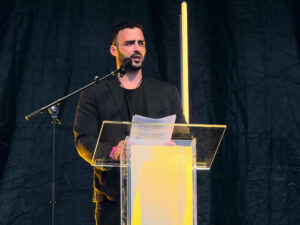
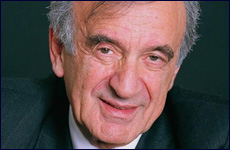
On New Year's Day 2016, Nir Amitay sat with a friend at a pub on Dizengoff Street in Tel Aviv when a terrorist opened fire, killing two people and wounding seven. Amitay, a career soldier in an IDF covert unit, was unarmed, and he remembers chasing the gunman with nothing but a beer glass in his hand.
He walked away without a scratch, but four years later, the attack caught up with him. His private breakdown would turn into one of the quietest and most effective responses to trauma in Israel today.
Amitay went back to the army two days after the attack. He kept serving in senior positions in the same covert unit and to all appearances nothing had touched him. Then, around 2020, the trauma surfaced.
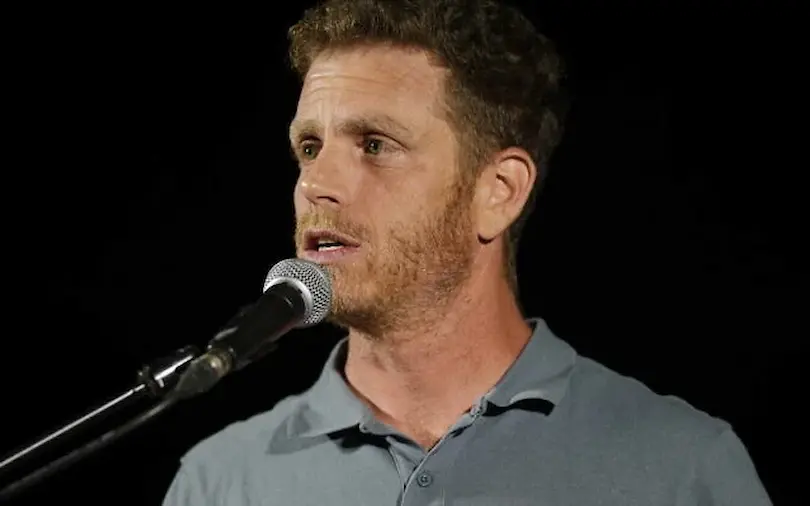
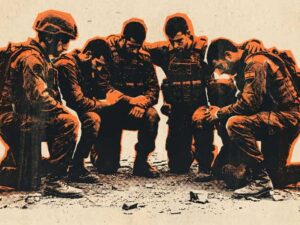
He began suffering what he called pains in his heart. Doctors found nothing physically wrong, and he understood that the terror of that Friday afternoon on Dizengoff Street was announcing itself on its own schedule, the way trauma does.
That realization is what ended his service. Amitay sought help the way he knew, through the medical system, and the checks found nothing to treat. Once he understood that what he was carrying was the attack itself, he stopped chasing a physical cure and left the army in 2021, after 17 years.
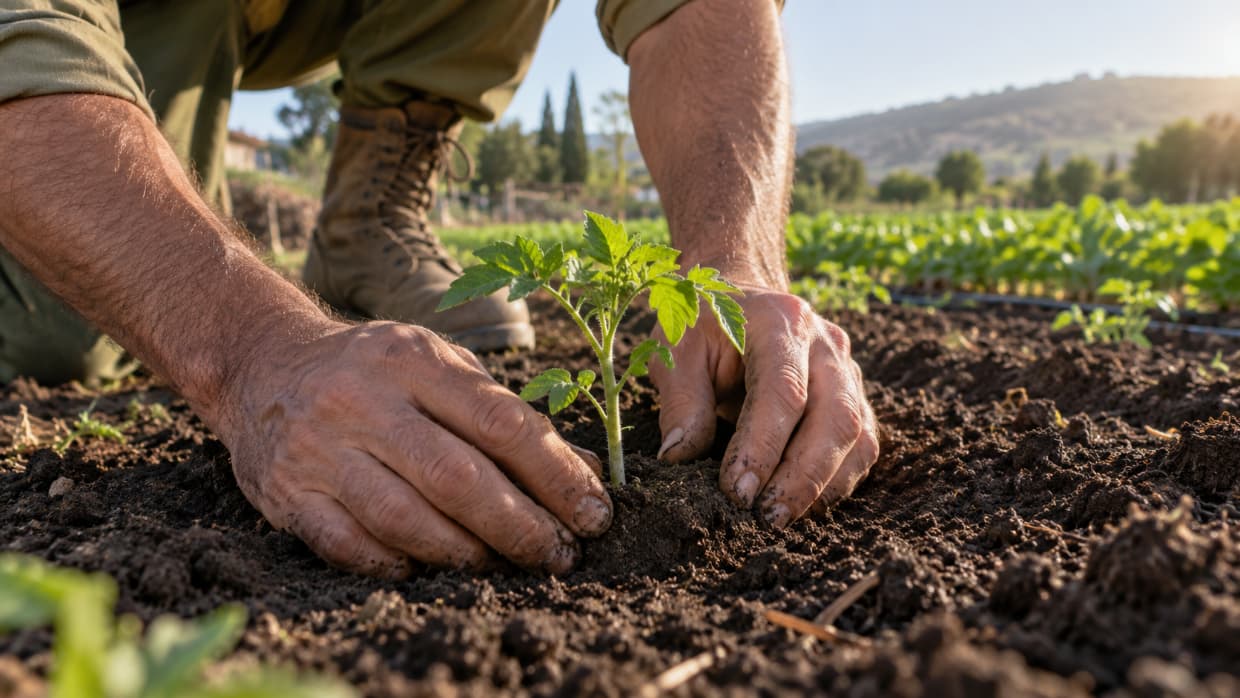
A member of Kibbutz Lahav in the northern Negev, he drew on farming memories from his childhood and on years of earlier work with at-risk youth. In 2021, the same year he left the army, he and a group of friends opened the first farm in the Lahav Forest, geared toward troubled teenagers. From the start, the work itself was the therapy: the teenagers planted, tended animals, and built with their hands. The physical labor, the visible results, and the small community gave them responsibility and a place to belong.
A national shock soon widened the mission: in 2021, a distressed former soldier set himself on fire outside the Rehabilitation Department offices in Petah Tikva after years of struggling to obtain care. Amitay's team realized people were falling through the cracks, and with the help of a leading PTSD specialist they proposed therapeutic sheep farming to the Defense Ministry, which now helps fund the work alongside the Health Ministry.
The therapeutic value of the farms comes through hard work, not talk therapy. A participant is given real responsibilities: sheep that must be fed and herded, rows that must be planted and weeded, a carpentry shop where something usable gets built by the end of the day. There are no lectures and no couches. The staff sums up the method in three words: significance, belonging, and commitment. The tasks produce visible results and require cooperation, the two things trauma tends to strip away.
The association now runs four farms, Rimon for youth, Lahav and Shekef for PTSD, and Or Haner for community rehabilitation, plus a center for at-risk women in Netivot and a social cafe in Beersheba. Around 10,000 people have passed through 25 programs ranging from a single day to two years.
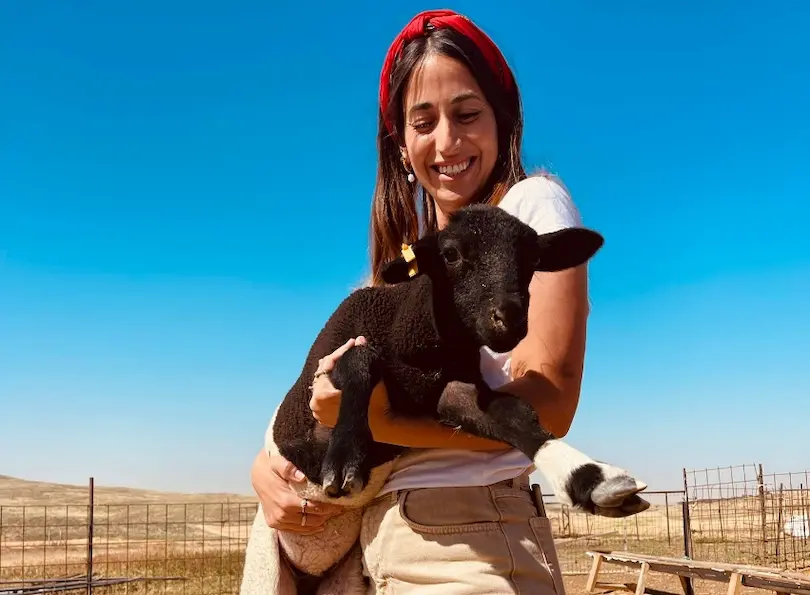
One graduate, a reservist from Sderot, served in the Israeli army for 420 days, including three tours in Lebanon. He came home unable to sleep or hold a job, haunted by a day when seven soldiers were wounded around him. Clinics had not managed to reach him. On the farm, what reached him was the flock and the people around it: someone expecting him in the morning, animals that did not ask questions, and, slowly, a community of others who had been through the same thing and did not need his story explained. He says the farm gave him back a life.
On October 7, 2023, the network lost two of its own. The Lahav farm's herd manager, Liran Almosnino, was murdered fighting terrorists that day; his widow now manages the herd. A beloved midwife from Soroka Medical Center who volunteered at the farm was slain in Kibbutz Be'eri.
The grief did not stop the work; it expanded it. Amitay's team saw that the damage reached far beyond those who were physically present, to teachers, nurses, police officers, and the wives of reservists, a whole second circle absorbing shock. Kibbutzim near the Gaza border turned to the association and offered land, and the farms began putting down new roots in the very communities that suffered most, part of the wider rebuilding effort across Israel's southern border region that will shape the area's future for years.
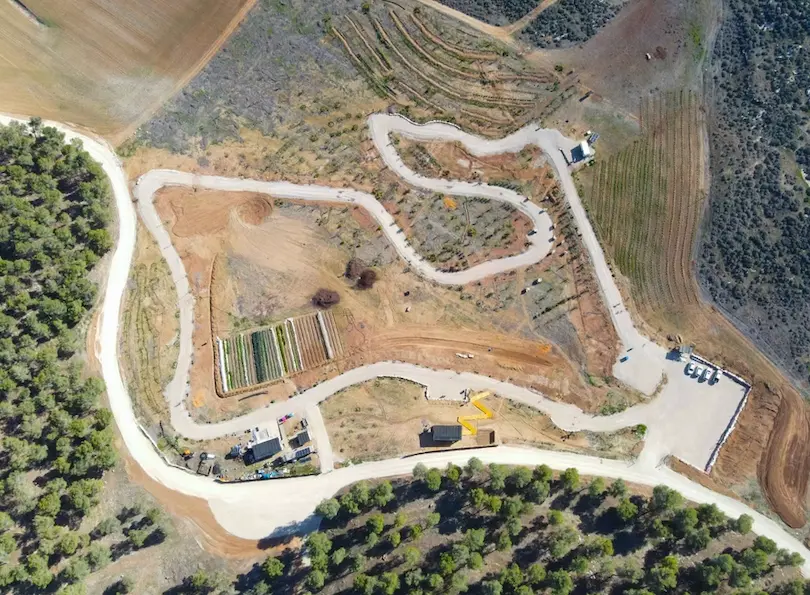
Amitay has described his work as a calling. The results are visible in Netivot, Beersheba, and in the vineyards near the Gaza border. These fields of recovery play a key role in a society that refuses to leave its wounded behind.