 The Greatest Threat Facing the Jewish People Isn't Antisemitism

6 min read
74 min view


7 min read


A Japanese man steeped in the samurai code of honor, duty, and discipline discovers his spiritual home in Judaism.
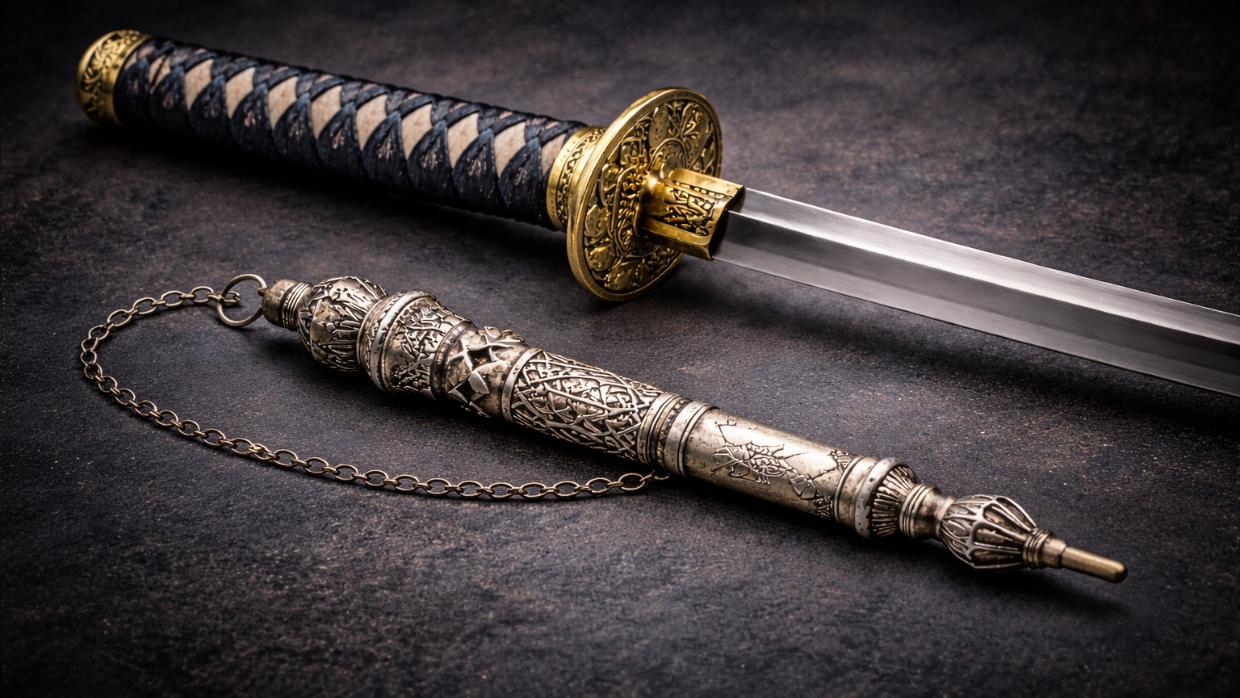
Westerners often picture samurai as Japanese warriors holding swords. Yet this honorary title “samurai” belongs to a hereditary class bound to a demanding moral code. The word samurai comes from the verb "serve" as members of this class are endowed with a mission of having a vision greater than self. Such a lifestyle demands not only physical strength but also moral clarity, humility, and readiness to sacrifice comfort for duty.
Moshe Chaim Shinohara was born into that spirit of moral responsibility and higher calling. He entered the world with the Japanese name Hiromichi, meaning "the right path." He grew up in a family that traced its values to a samurai lineage rooted in honor, duty, and discipline.
The family lived outside Tokyo in the same house with Moshe Chaim's paternal grandparents. Growing up in a home where three generations lived under one roof, tradition shaped daily life. His grandfather exemplified the way of Bushido, a discipline requiring loyalty, integrity, courage, restraint, and personal responsibility. Born in 1926, Moshe Chaim's grandfather embodied that code in both war and peace. As a young man, he served as a pilot in the Japanese army during World War II. He was rescued when his bomber was shot down into the ocean. While the three other men in his crew died in the crash, fishermen pulled Moshe Chaim's grandfather from the water, an event he would remember for the rest of his life.
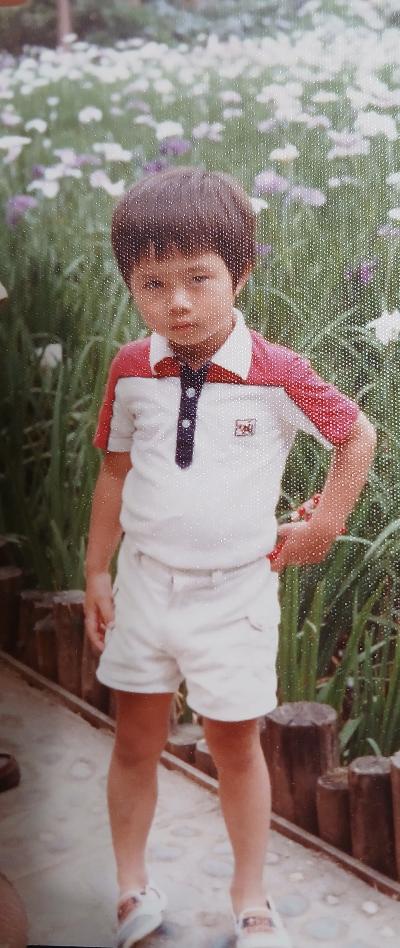 After the war, Japan moved toward modernization, yet the Shinohara family held tightly to their heritage. Moshe Chaim recalls being the only child in his class whose family lived with that kind of structure and continuity. At times, that distinction made him feel isolated. He struggled to make peace with the fact that his generation no longer honored timeless values and intergenerational bonds.
In 1998, while on a study abroad program in California, a Jewish professor of political science named Dr. Alfred Balitzer delivered a lecture that would alter the direction of Moshe Chaim’s life. The professor spoke about the meaning of a good life and questioned whether wealth, prestige, and honorific titles truly define a person. Those questions resonated deeply with Moshe Chaim as they echoed the moral ideals he had known since childhood. He stayed in contact with the professor and later wrote his senior thesis under his guidance, studying Adam Smith's ideas about moral sentiments and human purpose.
In 2001, Moshe Chaim moved to the United States in search of a broader future. He arrived in Los Angeles just three weeks before September 11. For the first couple of years, living in Los Angeles made him feel lost in a strange culture and an unfamiliar language. He felt as if he jumped into deep water without knowing how to swim. Determined to succeed, he studied English with relentless focus and discipline. In 2003, he enrolled as a graduate student in political science.
During this time, his continued relationship with the Jewish professor brought him in contact with Orthodox rabbis at the Simon Wiesenthal Center. As Rosh Hashanah approached in 2003, one of these rabbis, Rabbi Abraham Cooper, invited Moshe Chaim to the holiday dinner at his home.
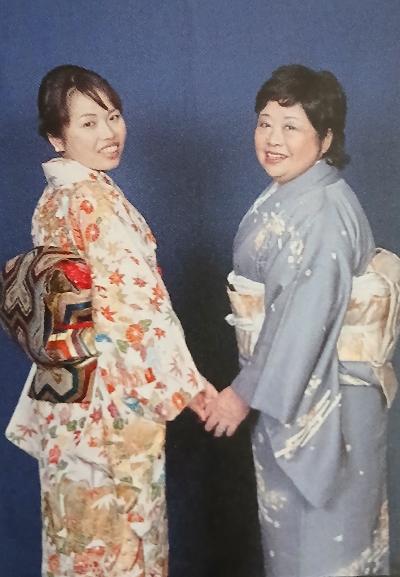 Moshe Chaim describes that festive dinner as warm, purposeful, and filled with meaning. "Eating was not simply an act of consumption but an expression of gratitude, community, and spiritual awareness. Guests asked about each other's lives with genuine concern and warmth," he recalls. At that table, Moshe Chaim recognized the same values he had known in his grandfather's home. This was the pivotal moment when he recognized the code of service, responsibility, and living heritage that he knew well, found anew in Judaism.
After that meal, he called his parents in Japan and shared that while tradition seemed to be fading in Japanese culture, he had discovered it vividly alive among the Jewish people. Like most Japanese people, the Shinohara family didn't know much about Jews, but they were genuinely supportive and encouraged Moshe Chaim to continue his exploration.
He began reading books about Judaism and the Jewish people, asking deeper questions about life and faith. He spent time with rabbis and observant families, seeing how Judaism was lived in daily practice. Moshe Chaim was particularly struck when he noticed that even during travels, Rabbi Cooper carried suitcases of food rather than compromise his kosher diet. The rabbi's quiet devotion impressed him more than any lecture.
About five years after his first Rosh Hashanah dinner, Moshe Chaim began keeping kosher. Gradually, he began observing Shabbat, learning Hebrew, and attending synagogue. He eventually entered a formal conversion program under the Rabbinical Council of California. A few months before immersing in the mikvah, he had a profound dream in which a glowing figure announced with quiet authority, "Your name is Moshe Chaim." He accepted the name, and on April 1, 2012, he emerged from the mikvah as Moshe Chaim ben Avraham Avinu.
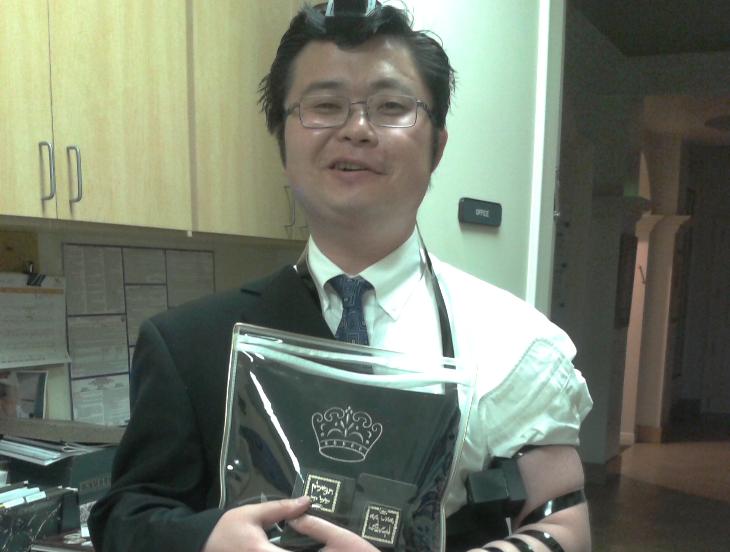
In November 2014, Moshe Chaim earned a Ph. D. in political science from Claremont Graduate University. Later that month, he married his soulmate, with his parents and his sister's family traveling from Japan to attend the ceremony in the Philadelphia suburbs. "My family came to our wedding all the way from Japan with pride and joy. They asked me if there was anything specific they should do during the wedding, but I told them to just be themselves. My mother and sister wore kimono to show their respect. I never aimed to sever my past from my present, Jewish self; my past is an integral part of my journey and will be with me always, for many more years to come with God's help."
When asked what part of Judaism affected him most, he answers without hesitation. "The kindness I witnessed among the Jewish people opened my heart. I saw people constantly helping one another with sincerity and devotion, and I wanted to belong to that people and share in that responsibility."
Moshe Chaim derives great meaning in being Jewish.
"As a convert to Judaism, I feel a great honor to be part of the Jewish people and living a fulfilling Jewish life. Although I was born as a gentile, my entire life has always been guided and orchestrated by God. It is as if God put an invisible mark on my back to keep an eye on me and to make sure that I would choose to come home one day. Because of many character-building experiences, I became stronger and better as a person, shaped by events that led to my living a meaningful, Torah-observant life.
"I have always had a sense of self throughout my journey. I was born into a traditional Japanese household where the path of Bushido was keenly felt. That practice is built on values nearly identical to Judaism, and I strongly feel that God made sure that I had an upbringing in an environment that was as close as possible to what Jewish life represents: connection, clarity, community, service, and purpose. There was never a disconnect between my life as a gentile and my life as a Jew, and I am immensely fortunate to be able to say that."
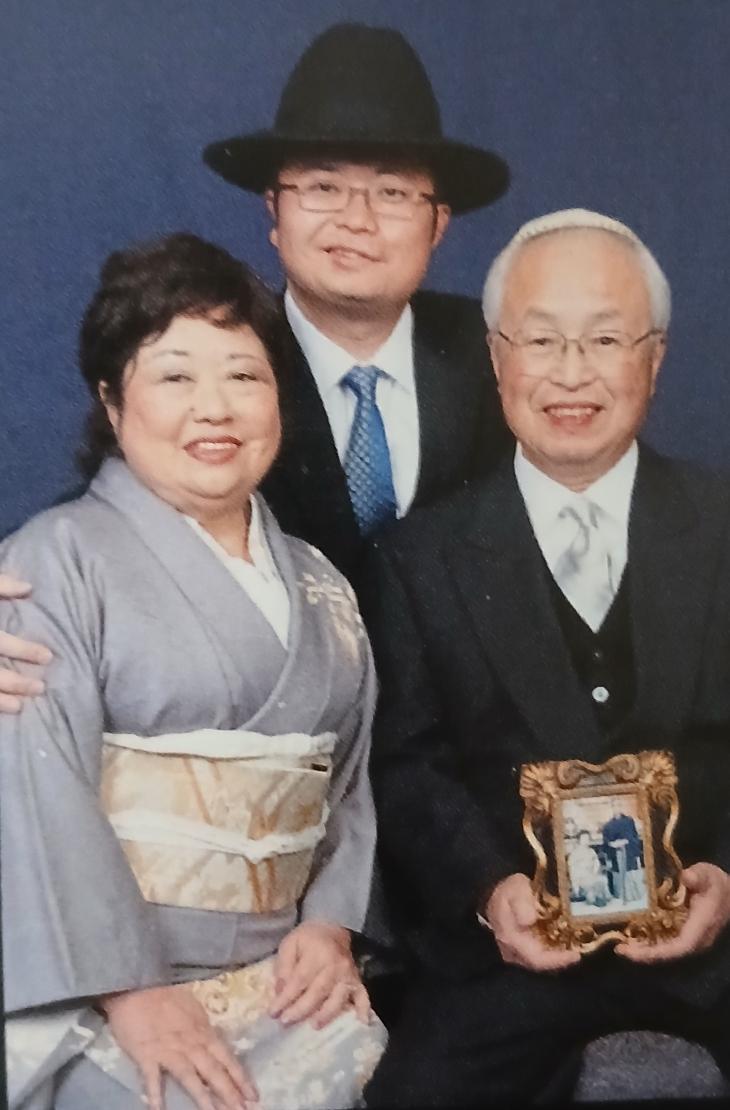
Today, Dr. Shinohara teaches 9th grade world history and physical science at the Yeshiva and Mesivta of Greater Philadelphia. He shares, "In my classes, I aim to interact with each of my students through a balance of discipline tempered with humor. I also try to be respectful of each student as he is a person on his own journey. It takes tremendous Heavenly help to be able to teach in an impactful and constructive manner."
It is remarkable to witness such a unique journey merging two ancient traditions bound by moral discipline. Perhaps for the first time in history, the customs of the samurai were crowned by the spirit of Judaism, with Moshe Chaim's singular mission to carry that distinctive lineage of loyalty, honor, courage, restraint, and duty back to his Jewish people.