








 Can a Monk Be a Jew?

3 min read
4 min read
5 min read





My parents divorced when I was four. My father made sure he didn’t fade into the background.
My parents divorced when I was four. One day, my father lived in our home, and the next, he didn’t. For weekends and mid‑week dinners, it was suddenly just the three of us, my dad, my older sister, and me.
It could have been a loss. Instead, it became the place where our relationship took shape.
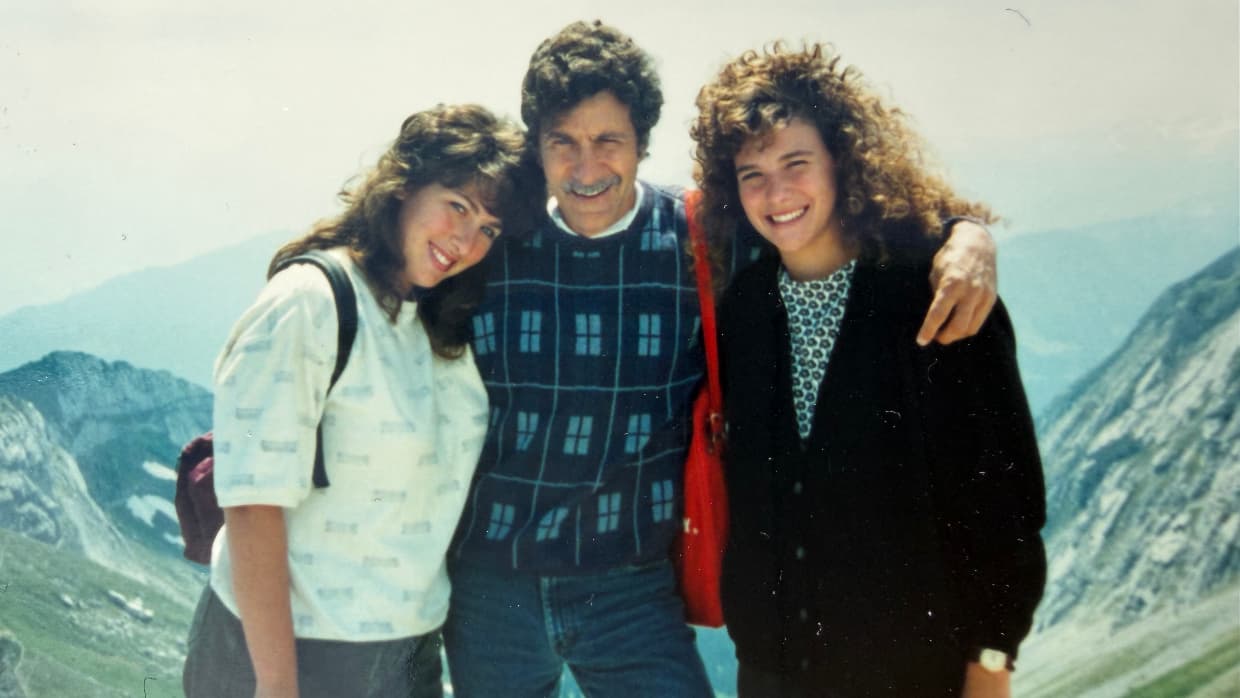
Our weekends were filled with the things my dad knew best – fishing, barbecuing, gardening, trips to the hardware store, and quiet conversations. My father became my confidant, my anchor, my steady support.
Divorce often makes close father–child relationships more challenging. But my dad made us a priority and, in that space, our relationship flourished.
In Hebrew, the word for father (av) means more than parent; it means origin, foundation, and the one whose character defines the generations. My father was that for me. Now, after his passing, I see even more clearly the ways he shaped my life by his steady presence. Here are five of them.
My father encouraged my sister and me to explore in our own way. Whether it was trying something new, taking a small risk, or stepping just beyond comfort, this kind of exploration built our confidence and resilience, teaching us to trust our abilities and approach the world with curiosity rather than fear.
My father loved fishing. He taught us how to cast, bait a hook, and reel in fish. We learned to drive a boat when we were 13 because he believed we could.
Children learn emotional steadiness from the important adults in their lives.
My father was the calmest person I knew. He spent his days working with head‑injury patients in the hospital, which is intense, draining work, and still came home good-natured and unhurried. His calmness taught us how to be calm and handle stress.
Children learn their parents’ values by watching how they treat people, how they handle obligations, and how they show up.
My father drove an hour each way to take us out for weekly dinners. He never complained or made it seem like a burden. That quiet consistency and responsibility taught us what commitment looks like.
Feeling seen by your parents becomes a foundation for self‑worth.
My father listened, really listened. Even when I was young, he treated my thoughts as worth hearing. That kind of attention told me, “You matter. Your inner world matters.” This feeling of being seen has stayed with me.
When my parents divorced, my father embraced roles he hadn’t held before, including cooking, caretaking, and helping with homework. He grew into those roles because he made us a priority. His warmth and responsiveness grew.
Looking back, I see how much of my life is shaped by the things my father did quietly and without fanfare. The routines, his steadiness, his belief in us. The way he was always available. His imprint will stay with me for a lifetime and live on through the generations that follow.












This author had a very good dad. As she indicated, her dad made sure to be involved with his children after the divorce. A rare dad indeed.