
 Peace Prize Winner Navi Pillay’s Long Record of Anti-Israel Hatred

5 min read
6 min read
4 min read
6 min read





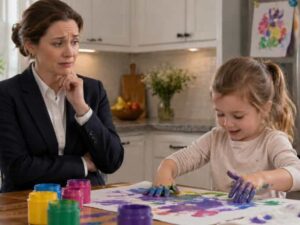
Kids think parents know everything. Admitting we don't can teach them something more valuable: how to wonder, find answers, and handle life's uncertainty.
"Why is the sky blue?"
"Why did Grandma say that?"
"Why didn't my friend invite me?"
"Why does God let bad things happen?"
Kids ask a lot of questions, and many of us feel we should have every answer. Sometimes the most helpful thing we can say is "I don't know." Said thoughtfully, rather than as a brush-off, it teaches kids that not knowing is an invitation to think, wonder, and sometimes live with uncertainty.
Young children think their parents know everything. When they learn otherwise, it's a teaching opportunity.
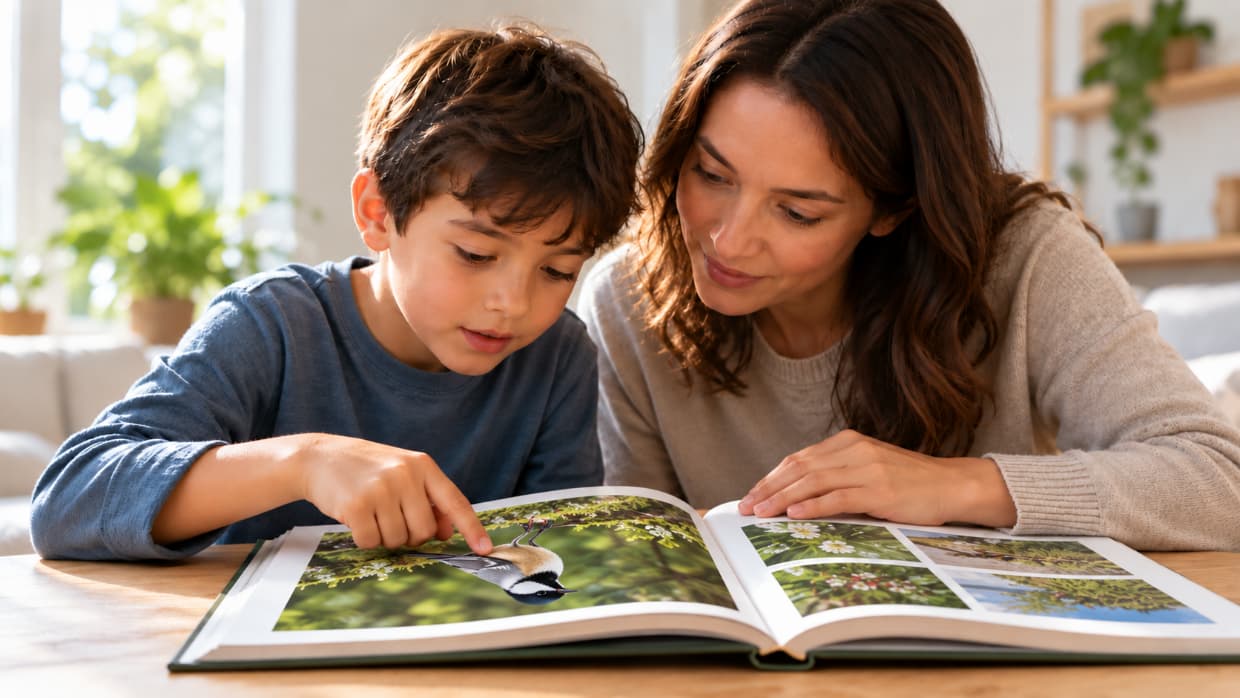
"How do birds know where to fly?"
"I'm not sure. What do you think? Let's find out."
We're modeling intellectual honesty: capable adults can admit what they don't know without embarrassment. Kids often believe being smart means having the answer. Good learners are actually the ones comfortable saying, "I don't understand this yet."
When your child asks why leaves change color, you could explain chlorophyll. Or you could ask, "What do you think is happening?" Younger kids get imaginative; older ones draw on what they know. Either way, they're thinking.
The same works when we truly don't know: "What are some possibilities?" Not every question needs to be a lesson, but a little room for wondering shows kids their ideas matter.
"Why didn't Sara sit with me at lunch? Is she mad at me?"
We want to say, "Of course not." But we don't know. A better reply is: "I'm not sure. There could be a few reasons. What do you think?"
The point is helping kids notice when they lack enough information to know. Kids who can tolerate uncertainty are less likely to grab the first explanation just to escape the discomfort.
Not knowing gives children an opportunity to figure out what to do next.
"How do I build this?" "Let's look at what you have."
"Which class should I take?" "I don't know what's best for you. What matters to you?"
"Why do I keep forgetting my homework?" "When do you remember? When do you forget? Let's find the pattern."
"I don't know" can be where the thinking begins.
Kids ask about fairness, religion, illness, and why good people suffer. Sometimes we have an answer or a Jewish teaching to share. Sometimes we honestly don't understand.
"People have struggled with that for a very long time. Judaism offers ideas that help, but I don't have a simple answer."
That humility shows kids serious questions are allowed. Jewish tradition is built on them: the Passover Seder revolves around questions, and Torah study thrives on asking, debating, and examining ideas from every angle. Faith and wondering can go together.
Model what comes next: check a book, find a reliable source, ask a teacher, doctor, rabbi, or other expert. Even say, "I thought I knew, but let me check."
In a world flooded with information, kids need to learn that confidence is useful, and so is double-checking.
"Will I make friends?"
"Will Grandpa get better?"
"Is everything going to be okay?"
We long to say yes, but we can't always promise. We can offer ourselves: "I don't know what will happen, but we'll handle it together."
That's honest without leaving a child alone with it. Our kids will face plenty of moments with no clear answer or guaranteed outcome. We can't remove that uncertainty, and shouldn't try. We can raise people who ask questions, gather information, weigh possibilities, seek guidance, and wait patiently for answers.
Sometimes good parenting means having the answer. Sometimes it means saying, "I don't know. Let's think about it together."