 “I Don’t Want to Work for a Jew”
4 min read
3 min read
3 min read



3 min read


Your strengths are your best parenting tool.
People thrive when they lean into their natural strengths and abilities. This is also true when it comes to parenting. Parents feel more confident, connected, and effective when they parent in ways that align with who they genuinely are.
Parents who understand their unique strengths feel more confident and comfortable in their parenting roles. They are more effective in their interactions with their children, experience greater joy in family life, and parent with more energy and authenticity.
Many parents struggle with feelings of guilt when they do not enjoy the same aspects of parenting that seem to come naturally to others. Every parent has different strengths, interests, energy levels, and temperaments. One parent may love baking with children while another finds it stressful. One may happily spend hours reading aloud while another connects more through outdoor activities, humor, or conversation.
There is no single “right” parenting personality. Parenting becomes much more authentic and sustainable when you stop trying to be someone else and start building family life around your genuine strengths. Yet so many parents spend enormous energy trying to force themselves into someone else’s parenting style.
They compare ourselves constantly:
Meanwhile, they quietly think: Why can’t I be more like that?
Stop asking, “What’s wrong with me?” and start asking:
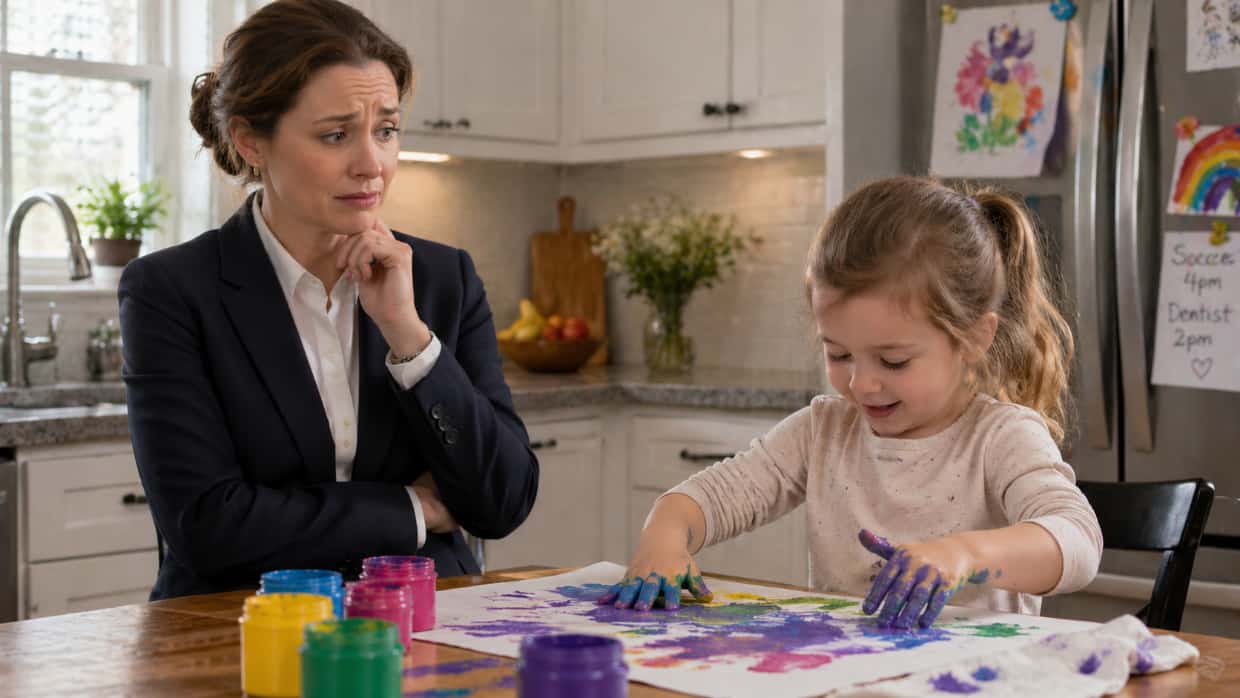
Some parents love messy art projects complete with glue, glitter, and googly eyes. Others hand their children paper and markers and call it a day.
Some parents delight in baking elaborate birthday cakes. Others happily order dessert from the bakery.
Some parents thrive on road trips, adventures, and spontaneous outings. Others create warm, peaceful homes where everyone relaxes in pajamas during vacation.
Some parents can take five children shopping without breaking a sweat. Others would rather reorganize their entire week than bring young children into a grocery store.
None of these parents are doing it “wrong.”
Children don’t need perfect parents; they need emotionally healthy parents. They need parents who are living authentically instead of resentfully.
When parents operate from their strengths, family life often becomes calmer, happier, and more connected.
Personal strengths are the qualities and activities that energize you and help you feel most like yourself. The more you build your parenting around those strengths, the more joy and confidence you will experience.
This does not mean you never do hard things or stretch yourself. Parenting always requires flexibility and sacrifice. But you do not have to constantly fight against your own temperament in order to be a good parent.
The goal isn’t to become somebody’s version of a “great parent.” It’s to become the healthiest, happiest, most authentic version of yourself. The things you naturally love bringing into family life are exactly the things your children will remember most.
The key to happier parenting is simpler than you think: Find what you genuinely love about parenting — and do more of it.