




 The Five Levels of Pleasure—and Why Most People Never Feel Full

7 min read
33 min read



9 min read


A brief look at the commandments of the Torah, Judaism’s tools to create a relationship with God.
The Torah is the foundational Jewish text, and it contains commandments, called mitzvahs, or mitzvot (מצוות) (singular, mitzvah/מצוה), which are the basis of Jewish practice and belief. A pillar of Jewish thought is that God created the world for your benefit and pleasure—the greatest pleasure being a relationship with Him—and the commandments are the tools the Torah provides in order to establish and maintain that relationship.
The Hebrew word, "mitzvah (מצוה)," is usually translated as "commandment," but it means something more as well. A mitzvah is not an "order," like a commander ordering a soldier in the army (the Hebrew word for that is "pekudah [פקודה]") — rather, "mitzvah" is more closely related to the word, "tzevet (צוות)," or team.
A team is something you join. It’s an opportunity, and a mitzvah should be seen as an opportunity as well.
A mitzvah is not something you do for God, that somehow God benefits when you follow His commandments. God is omnipotent, all-powerful, and all-knowing. He cannot possibly benefit from you. God is not “better” when you rest on the Sabbath, pray, observe the holidays, keep kosher, or do anything else.
But you are. A mitzvah is an opportunity. If you take advantage of the opportunity—and make the effort to learn about it, and internalize its depth—it has the potential to change your life for the better.
And if you don't, you’ve missed an opportunity.
The greatest opportunity a mitzvah affords is that it is a vehicle that connects you to God. In fact another meaning of the word “mitzvah” is “connection”, from the word “tzavta”. That’s the essence of a “tzevet” – a “team” in Hebrew; it’s a group connected to each other for a common goal. Mitzvot enable you to connect to God since they stem from Him and enable you to resemble His essence, thereby becoming closer to him.
According to Jewish tradition, the Torah contains 613 commandments, although the exact list is debated. Nowadays, many people follow the list the great medieval scholar, Rabbi Moses Maimonidies (1135-1204), compiled, which forms the basis for his magnum opus, the Mishna Torah, and which distinguishes—as opposed to earlier lists he rejected—between commandments referenced specifically in biblical verses, and rabbinical decrees.
The Talmud1 indicates that the mitzvahs are divided into 248 positive commandments (do this), and 365 negative commandments (don’t do that). The total number, 613, is hinted at in the word, “Torah,” and is related to the events described in Exodus, chapters 19 and 20, which is the national revelation at Mount Sinai, when the Jewish people received the Ten Commandments. In Hebrew, every Hebrew letter has a corresponding numerical value, and the value for the letters in “Torah (תורה)” add up to 611. Why 611? Because the first two commandments God spoke to the Jewish nation en masse, and the other 611 were given to Moses.
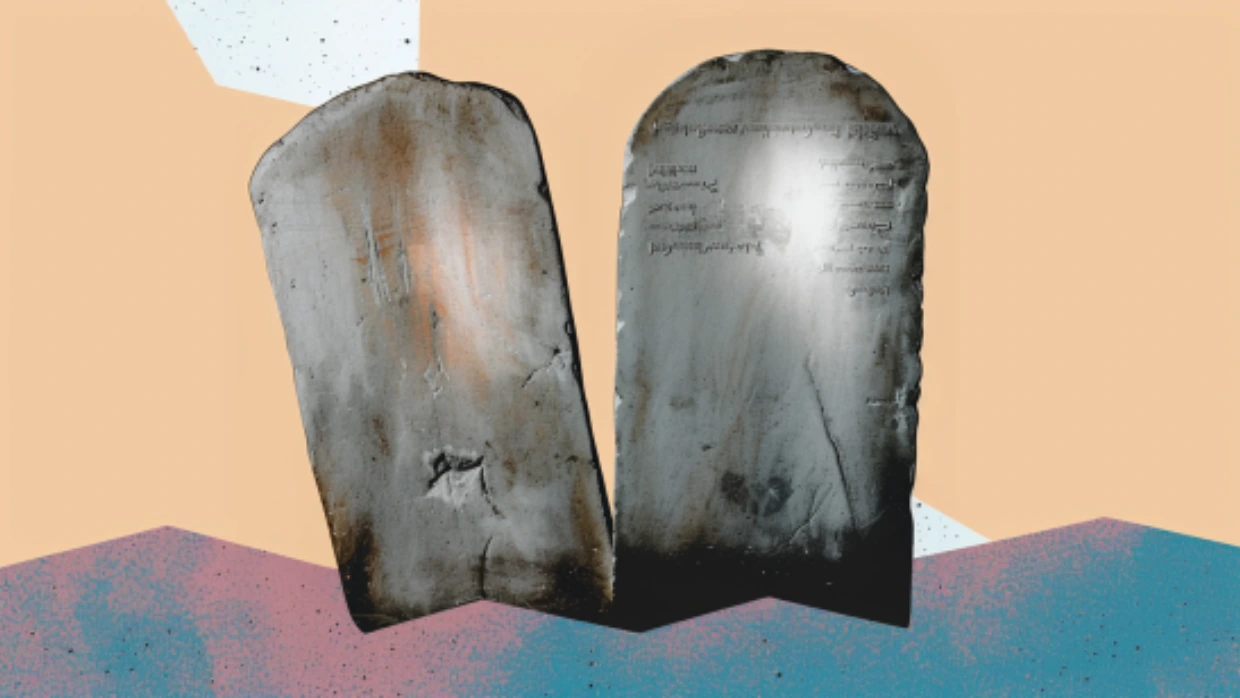
The Ten Commandments, which are essential to Jewish belief and the foundation of ethical monotheism, hint at the number of total commandments as well. The Ten Commandments are first listed in Exodus 20 and that section contains 620 letters, which indicates the 613 commandments, plus the seven rabbinical commandments that carry a similar weight to the Torah’s commandments.2
The Torah is the foundational work of Judaism, and the word, “Torah,” is Hebrew for “instructions.” The Torah is also referred to as “Torat Chaim (תורת חיים),” which means “Instructions for Living.” The Torah describes the origins of the Jewish people; their covenant, as well as the nature of their relationship with God; and it presents the commandments as the tools you use to establish, as well as maintain, that relationship.
According to Jewish thought, God created the world for your benefit and pleasure, and the greatest pleasure is a relationship with Him. The Torah provides the instructions, in the form of the commandments, to gain understanding, depth, and perspective of an idea that, without clear guidelines, would be too distant or difficult to comprehend.3
The Torah contains three types of commandments: statues or decrees, called chukim (חוקים) in Hebrew (singular, chok/חוק); laws, which are known as mishpatim (משפטים) (singular, mishpat/משפט); as well as signs or testimonies, called eidot (עדות).
On a simple level, chukim are esoteric commandments, like the laws of kosher, family purity, and the red heifer, where the reason for doing them is unclear, or doesn’t make rational sense.
Mishpatim are laws, like those against murder and theft, where the reasons are obvious, and, if you were setting up a society, would implement them even if the Torah did not command them.
Eidot are laws, like eating matzah on Passover or affixing a mezuzah to your doorpost, where even though the reason is not obvious, the Torah provides a simple, straightforward explanation.
On a deeper level, regarding chukim and mishpatim, the reason is also the determining factor. For example, the Torah says “do not murder,” except that that depends on the reason: killing your enemy in cold blood is prohibited, but other cases, like war, capital cases, and self-defense, are not. Murder is a mishpat, and the reasons—or extenuating circumstances—are what determine the law.
But that’s not the case with a chok, where the reason isn’t a factor. For example, the Torah calls a pig an “unclean animal,” but even if you were to bathe a pig in hot soapy water, it would still not become permissible. The kosher laws are a chok, which is a spiritual decree, and outside considerations don’t affect its standing.
The Torah has many different types of commandments. Here are a few examples.
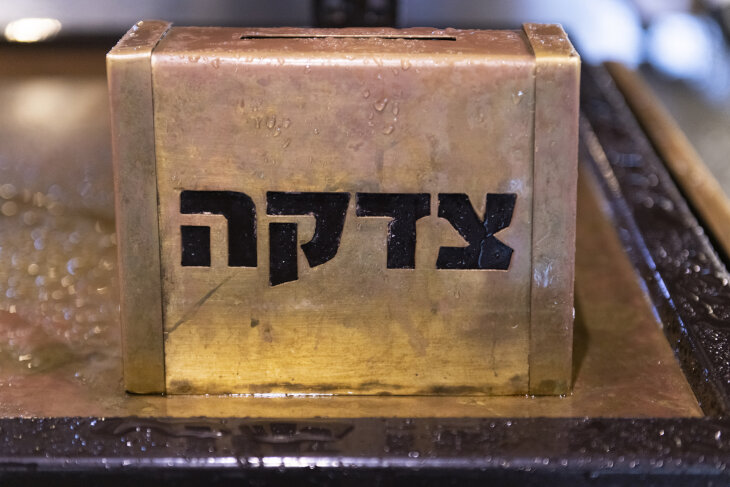
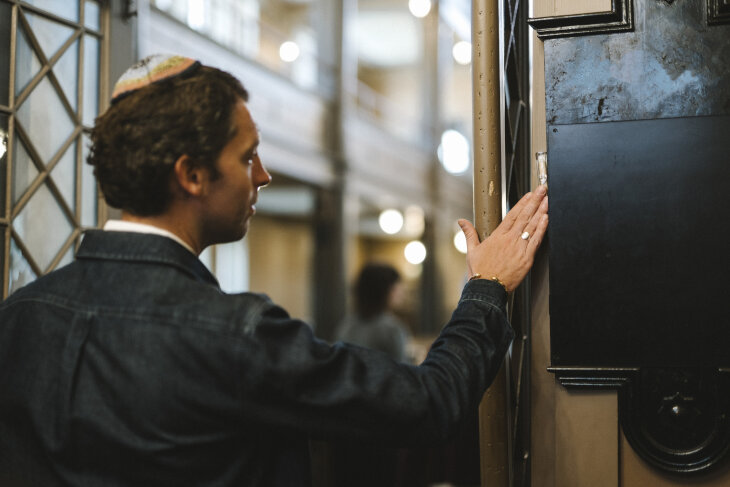
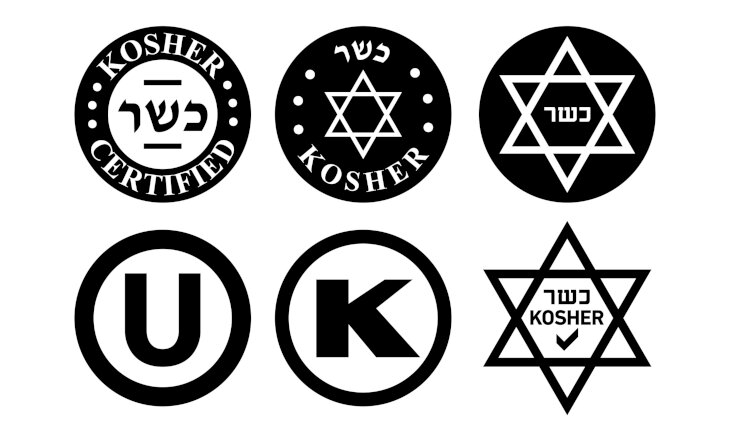
Following the kosher laws is considered one of the hallmarks of Jewish observance, because eating is something everyone does, and following a system of laws about food is a constant reminder that being Jewish is central to your identity.
The Torah contains 613 commandments, or mitzvahs, that are divided into two groups: 248 positive commandments (things to do), and 365 negative commandments (prohibitions). Those commandments fall into three categories: statutes or decrees, which transcend human logic; laws, where the rational is easy to comprehend; and testimonies, or mnemonics that help reinforce important Jewish ideas. The mitzvahs are the tools the Torah provides in order to fulfill your spiritual purpose, and to establish, as well as maintain, a relationship with God.










A Mitzvah is a good deed and my parents taught me at a young age that I should do a Mitzvah. To this day after many years I still do a Mitzvah. I love to help people and I do voluntary work. It gives me great pleasure to help. Good for the soul and it makes me feel better. My husband (I lost him last year) did a lot of Mitzvah.