




 Why We Must Remember the Holocaust

4 min read


4 min read


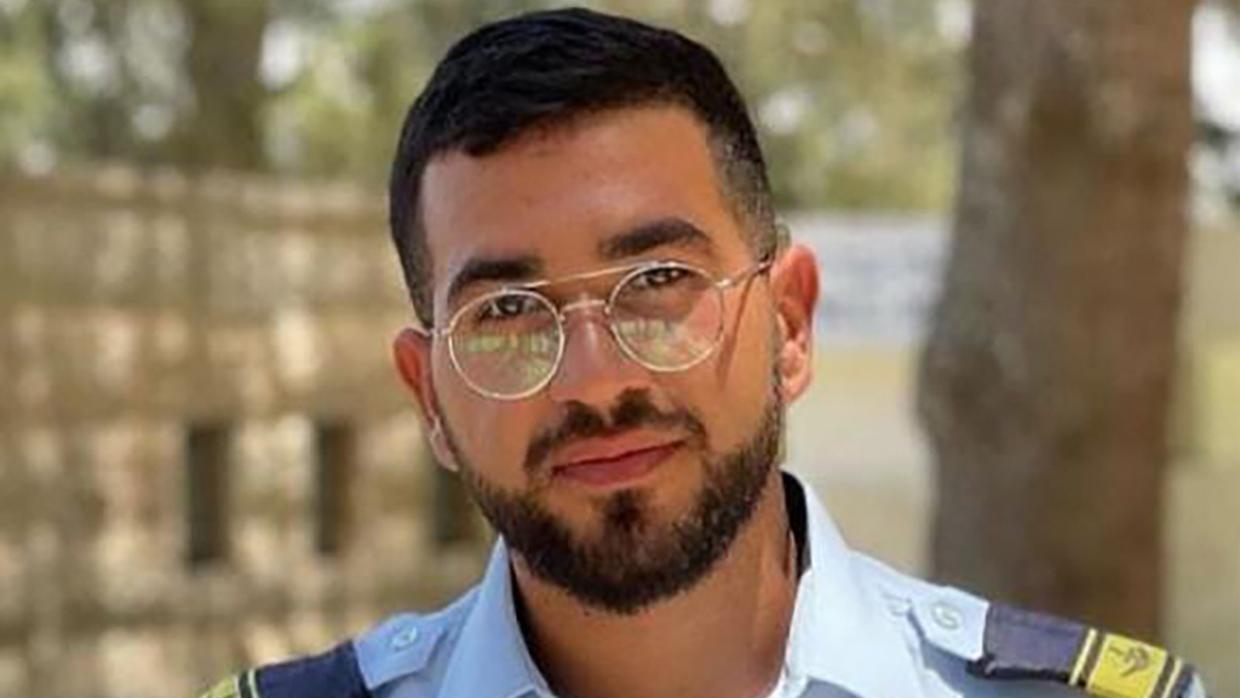
The body of Ran Gvili, the last fallen hostage held in Gaza, was returned to Israel for burial. Here’s why it matters.
Ran was murdered on October 7, 2023, and his body was taken into captivity by Hamas. For more than two years, his family waited — not for hope of life, but for the ability to lay him to rest with dignity. Only with the return of this single individual could negotiations unfolding on the world stage move forward.
That fact alone speaks volumes.
With Ran Gvili’s return, every hostage — living and fallen — is now back in Israel. For the first time since October 7, there are no Israelis held in Gaza. That fact marks a quiet but profound turning point. It closes a chapter defined by uncertainty, suspended grief, and unfinished responsibility. While the national trauma does not end here, something essential has shifted: Israel has fulfilled its obligation to bring its people home. The reckoning ahead is different now — because there is no one left behind.
In Judaism, burial is not a detail. It’s a moral imperative.
The Torah states explicitly, “You shall surely bury him on that day” (Deut. 21:23). Jewish tradition understands this not merely as a commandment, but as a statement about how we view the human being. The body is sacred not because of what it did, but simply because it once housed a human soul.
That value was on full display in Israel.
Throughout the past two-plus years, the murdered hostages were not erased or forgotten. They were still “ours.” Jews around the globe prayed and lobbied for their return.
As the Director of Outreach for Project Last Kindness, under the National Association of Chevra Kadisha (NASCK), I spend much of my waking hours educating Jews of all backgrounds about the importance of Jewish burial. I speak to families in moments of grief and confusion, often when no one has ever explained why burial matters so much in Jewish law and thought.
Ran Gvili’s return made that value visible to the world.
Judaism insists that the body be returned gently to the earth because dignity does not end at death. Fire, destruction, or abandonment of the body is seen as a violation of that dignity. Burial is the final act of care we can offer another human being — and it is one we are obligated to provide.
This commitment is not new.
For decades, the State of Israel has gone to extraordinary lengths to recover the remains of its fallen so they can be buried properly. Zachary Baumel was returned for burial more than three decades after he was killed in battle and held by Syria. The remains of Eli Cohen, executed in Damascus in 1965, were pursued for decades as part of that same commitment. Ron Arad, missing since 1986, Guy Hever, missing since 1997, and Yehuda Katz, missing since 1982 — names etched into Israeli memory — represent the same unwavering promise: we do not abandon our dead.
Ran Gvili now joins that painful list, but also that sacred tradition.
He was on leave on October 7, awaiting surgery. Despite this, he rushed to defend his people. First to go, last to return.
Today, his family can finally sit shiva. A grave can be marked and a body can rest.
At a time when human life is often reduced to numbers, strategy, or leverage, the return of Ran’s body reminded us of a deeper truth: a human being is not finished when life ends. Responsibility does not end with death.
Bringing Ran home affirmed the Jewish value that the sanctity of a human being does not expire with their last breath.
And that is something worth remembering long after today’s news cycle moves on.














Blessed be his memory 🙏
Thank you for writing this article; am sharing with family and friends who do not understand why Israel insisted on the return of every hostage.