







 Seven Reasons for Hope on October 8

8 min read
6 min read
8 min read





What is behind the most famous Jewish prayer?
In 1945, Rabbi Eliezer Silver was sent to Europe to help reclaim Jewish children who had been hidden during the Holocaust with non-Jewish families. How was he able to discover the Jewish children? He would go to gatherings of children and loudly proclaim Shema Yisrael – "Hear O Israel, the Lord our God, the Lord is One."
Then he would look at the faces of the children for those with tears in their eyes – those children whose distant memory of being Jewish was their mothers putting them to bed each night and saying the Shema with them.
Shema Yisrael – "Hear O Israel, the Lord our God, the Lord is One" – is perhaps the most famous of all Jewish sayings.
The Shema is a declaration of faith, a pledge of allegiance to One God. It is said upon arising in the morning and upon going to sleep at night. It is said when praising God and when beseeching Him. It is the first prayer that a Jewish child is taught to say. It is the last words a Jew says prior to death.
The Talmud says that when Jacob was about to reveal the end of days to his children, he was concerned that one of them might be a non-believer. His sons reassured him immediately and cried out, "Shema Yisrael."
The Torah records Moses including the Shema in his farewell address to the Jewish people.
In addition to daily mornings and evenings, we recite Shema when preparing to read the Torah on Sabbaths and festivals. We also recite Shema at the end of the holiest day of Yom Kippur when we reach the level of angels.
Shema is contained in the mezuzah we affix to the doorpost of our home, and in the tefillin that we bind to our arm and head.
The cry of Shema symbolizes the ultimate faith in the gravest situations.
Throughout the ages, the cry of Shema has always symbolized the ultimate manifestation of faith in the gravest situations. With the Shema on their lips, Jews accepted martyrdom at the Inquisitor's stake and in the Nazi gas chambers.
What is the deeper meaning of this historic affirmation of Judaism's central creed?
We are commanded to say the Shema twice each day: once in the morning and again in the evening. This requirement is derived from the verse: "And you should speak about them when you... lie down and when you get up" (Deut. 6:7). The Talmud explains that when you "lie down and when you get up" does not refer to the literal position of one's body, but rather designates the time of day to say the Shema (Brachot 10b).
The Shema speaks of loving God and passing Jewish traditions to our children.
The full Shema is comprised of 3 paragraphs from the Torah. The first paragraph, Deut. 6:4-9, contains the concepts of loving God, learning Torah, and passing on Jewish tradition to our children.
These verses also refer specifically to the mitzvot of tefillin and mezuzah. While praying, we wear tefillin as a visible sign of God close to our hearts and close to our brains, to show that our every thought and emotions are directed toward God. The mezuzah scroll is affixed to our doorposts to show that we are secure in God's presence.
The second paragraph, Deut. 11:13-21, speaks about the positive consequences of fulfilling the mitzvot, and the negative consequences of not.
The third paragraph, Numbers 15:37-41, speaks specifically about the mitzvah to wear tzitzit, and the Exodus from Egypt. Tzitzit are a physical reminder of the 613 commandments in the Torah. This is derived from the numerical value of the word tzitzit (600), plus the five knots and eight strings on each corner, totaling 613.
Recite the following verse in an undertone:
בָּרוּךְ שֵׁם כְּבוֹד מַלְכוּתוֹ לְעוֹלָם וָעֶד
וְאָהַבְתָּ אֵת יְהוָה אֱלֹהֶיךָ בְּכָל־לְבָבְךָ וּבְכָל־נַפְשְׁךָ וּבְכָל־מְאֹדֶךָ׃ וְהָיוּ הַדְּבָרִים הָאֵלֶּה אֲשֶׁר אָנֹכִי מְצַוְּךָ הַיּוֹם עַל־לְבָבֶךָ׃ וְשִׁנַּנְתָּם לְבָנֶיךָ וְדִבַּרְתָּ בָּם בְּשִׁבְתְּךָ בְּבֵיתֶךָ וּבְלֶכְתְּךָ בַדֶּרֶךְ וּבְשָׁכְבְּךָ וּבְקוּמֶךָ׃ וּקְשַׁרְתָּם לְאוֹת עַל־יָדֶךָ וְהָיוּ לְטֹטָפֹת בֵּין עֵינֶיךָ׃ וּכְתַבְתָּם עַל־מְזוּזֹת בֵּיתֶךָ וּבִשְׁעָרֶיךָ׃וְהָיָה אִם־שָׁמֹעַ תִּשְׁמְעוּ אֶל־מִצְוֺתַי אֲשֶׁר אָנֹכִי מְצַוֶּה אֶתְכֶם הַיּוֹם לְאַהֲבָה אֶת־יְהוָה אֱלֹהֵיכֶם וּלְעָבְדוֹ בְּכָל־לְבַבְכֶם וּבְכָל־נַפְשְׁכֶם׃ וְנָתַתִּי מְטַר־אַרְצְכֶם בְּעִתּוֹ יוֹרֶה וּמַלְקוֹשׁ וְאָסַפְתָּ דְגָנֶךָ וְתִירֹשְׁךָ וְיִצְהָרֶךָ׃ וְנָתַתִּי עֵשֶׂב בְּשָׂדְךָ לִבְהֶמְתֶּךָ וְאָכַלְתָּ וְשָׂבָעְתָּ׃ הִשָּׁמְרוּ לָכֶם פֶּן יִפְתֶּה לְבַבְכֶם וְסַרְתֶּם וַעֲבַדְתֶּם אֱלֹהִים אֲחֵרִים וְהִשְׁתַּחֲוִיתֶם לָהֶם׃ וְחָרָה אַף־יְהוָה בָּכֶם וְעָצַר אֶת־הַשָּׁמַיִם וְלֹא־יִהְיֶה מָטָר וְהָאֲדָמָה לֹא תִתֵּן אֶת־יְבוּלָהּ וַאֲבַדְתֶּם מְהֵרָה מֵעַל הָאָרֶץ הַטֹּבָה אֲשֶׁר יְהוָה נֹתֵן לָכֶם׃ וְשַׂמְתֶּם אֶת־דְּבָרַי אֵלֶּה עַל־לְבַבְכֶם וְעַל־נַפְשְׁכֶם וּקְשַׁרְתֶּם אֹתָם לְאוֹת עַל־יֶדְכֶם וְהָיוּ לְטוֹטָפֹת בֵּין עֵינֵיכֶם׃ וְלִמַּדְתֶּם אֹתָם אֶת־בְּנֵיכֶם לְדַבֵּר בָּם בְּשִׁבְתְּךָ בְּבֵיתֶךָ וּבְלֶכְתְּךָ בַדֶּרֶךְ וּבְשָׁכְבְּךָ וּבְקוּמֶךָ׃ וּכְתַבְתָּם עַל־מְזוּזוֹת בֵּיתֶךָ וּבִשְׁעָרֶיךָ׃ לְמַעַן יִרְבּוּ יְמֵיכֶם וִימֵי בְנֵיכֶם עַל הָאֲדָמָה אֲשֶׁר נִשְׁבַּע יְהוָה לַאֲבֹתֵיכֶם לָתֵת לָהֶם כִּימֵי הַשָּׁמַיִם עַל־הָאָרֶץ׃
וַיֹּאמֶר יְהוָה אֶל־מֹשֶׁה לֵּאמֹר׃ דַּבֵּר אֶל־בְּנֵי יִשְׂרָאֵל וְאָמַרְתָּ אֲלֵהֶם וְעָשׂוּ לָהֶם צִיצִת עַל־כַּנְפֵי בִגְדֵיהֶם לְדֹרֹתָם וְנָתְנוּ עַל־צִיצִת הַכָּנָף פְּתִיל תְּכֵלֶת׃ וְהָיָה לָכֶם לְצִיצִת וּרְאִיתֶם אֹתוֹ וּזְכַרְתֶּם אֶת־כָּל־מִצְוֺת יְהוָה וַעֲשִׂיתֶם אֹתָם וְלֹא־תָתֻרוּ אַחֲרֵי לְבַבְכֶם וְאַחֲרֵי עֵינֵיכֶם אֲשֶׁר־אַתֶּם זֹנִים אַחֲרֵיהֶם׃ לְמַעַן תִּזְכְּרוּ וַעֲשִׂיתֶם אֶת־כָּל־מִצְוֺתָי וִהְיִיתֶם קְדֹשִׁים לֵאלֹהֵיכֶם׃ אֲנִי יְהוָה אֱלֹהֵיכֶם אֲשֶׁר הוֹצֵאתִי אֶתְכֶם מֵאֶרֶץ מִצְרַיִם לִהְיוֹת לָכֶם לֵאלֹהִים אֲנִי יְהוָה אֱלֹהֵיכֶם׃ אֶמֶת׃
Text reprinted with permission from the ArtScroll Siddur
Hear, O Israel, the L-rd is our G‑d, the L-rd is One.
Recite the following verse in an undertone:
Blessed be the name of the glory of His kingdom forever and ever.
You shall love the L-rd your >G‑d with all your heart, with all your soul, and with all your might. And these words which I command you today shall be upon your heart. You shall teach them thoroughly to your children, and you shall speak of them when you sit in your house and when you walk on the road, when you lie down and when you rise. You shall bind them as a sign upon your hand, and they shall be for a reminder between your eyes. And you shall write them upon the doorposts of your house and upon your gates.
And it will come to pass that if you continually hearken to My mitzvot that I command you today, to love the Lord your God, and to serve Him, with all your heart and with all your soul – then I will provide rain for your land in its proper time, the early and late rains, that you may gather in your grain, your wine, and your oil. I will provide grass in your field for your cattle and you will eat and be satisfied.
Beware lest your heart be seduced and you turn astray and serve gods of others and bow to them. Then the wrath of God will blaze against you. He will restrain the heaven so there will be no rain and the ground will not yield its produce. And you will swiftly be banished from the goodly land which God gives you.
Place these words of Mine upon your heart and upon your soul; bind them for a sign upon your arm and let them be tefillin between your eyes. Teach them to your children, to discuss them, while you sit in your home, while you walk on your way, when you retire and when you arise. And write them on the doorposts of your house and upon your gates. In order to prolong your days and the days of your children upon the ground that God has sworn to your ancestors to give them, like the days of the heaven on the earth.
And God said to Moses saying: Speak to the Children of Israel and say to them that they are to make themselves tzitzit on the corners of their garments, throughout their generations. And they are to place upon the tzitzit of each corner a thread of blue (techelet). And it shall constitute tzitzit for you, that you may see it and remember all the mitzvot of God and perform them; and not explore after your heart and after your eyes after which you stray. So that you may remember and perform all My mitzvot; and be holy to your God. I am God, your God, Who has removed you from the land of Egypt to be a God to you. I am God your God... it is true.
Shema Yisrael, Ado-nai Elo-heinu, Ado-nai Echad.
Recite the following verse in an undertone:
Baruch sheim kavod mal-chuso li-olam va-ed
Vi-ahav-ta ase Ado-noi Elo-hecha
Bi-chol li-vav-cha oo-vi-chol naf-shecha oo-vi-chol mi-odecha
Vi-hayoo had-varim ha-ele
Asher ano-chi mi-tzvaecha ha-yomal li-vavecha
Vi-shee-nantam li-vanecha vi-dee-barta bam
Bi-sheev-techa bi-vey-techa oo-vi-lech-techa va-derech
Oo-vi-shach-bicha oo-vi-koo-mecha
Ook-shartam li-ose al ya-decha
Vi-hayoo li-to-ta-fose bain ai-necha
Ooch-sav-tam al mi-zoo-zose bai-secha oo-vee-sharecha
Vi-haya eem sha-moah Teesh-mi-oo el meetz-vo-sai
Asher anochi mi-tzaveh es-chem ha-yom
Li-ahava es Ado-noi Elo-hechem
Oo-lavdo bi-chol li-vav-chem, oo-vi-chol naf-shechem
Vi-nasa-tee mi-tar artz-chem bi-ee-toe yoreh oo-mal-koshe
Vi-asaf-ta di-ganecha vi-seer-shecha vi-yeetz-harecha
Vi-na-satee aisev bi-sadicha leev-hem-techa vi-achalta vi-savata
Hee-sham-iroo lachem pen yeef-teh li-vav-chem
Vi-sartem va-avad-tem Eloheem achai-reem viheesh-tacha-veesem la-hem
Vi-chara af Ado-noi ba-chem vi-atzar es ha-sha-mayim vi-loe yee-yeh matar
vi-ha-adamah loe see-tain es yi-voolah
Va-avad-tem mi-hayra may-al ha-aretz ha-tova
Asher Ado-noi noe-sain la-chem.
Vi-sam-tem es di-va-rai ai-leh al li-vav-chem, vi-al naf-shechem
Ook-shartem o-sam li-ose al yed-chem
Vi-hayoo li-to-ta-fose bain ai-nai-chem
Vi-leemad-tem o-sam es bi-naichem li-daber bam bi-sheev-ticha bi-vay-secha
Oo-vi-lech-ticha va-derech oo-vi-shach-bicha oo-vi-koomecha
Ooch-sav-tam al mi-zoo-zose bai-secha oo-vee-sharecha
Li-man yeer-boo yi-may-chem vee-may vi-nay-chem
Al ha-adama asher neesh-ba Ado-noi la-avo-saychem la-sase la-hem
Kee-may ha-sha-mayim al ha-aretz.
Va-yomer Ado-noi el Moshe lay-more
Da-ber el bi-nay Yisrael vi-amarta alay-hem
Vi-asoo la-hem tzee-tzees
Al kan-fey beeg-day-hem li-doro-sam
Vi-nasi-noo al tzee-tzees ha-kanaf pi-seel ti-chay-les
Vi-haya la-chem li- tzee-tzees
Oo-ree-sem oto
Ooz-char-tem es kol meetz-vose Ado-noi
Va-a-see-sem o-sam
Vi-lo sa-soo-roo acha-ray li-vav-chem vi-acha-ray ay-nay-chem
Asher atem zo-neem acha-ray-hem
Li-man teez-ki-roo va-a-see-sem es kol meetz-vo-sai
Vee-yee-sem ki-doshim lay-lo-hay-chem
A-nee Ado-noi Elo-hay-chem asher ho-tzay-see es-chem may-eretz meetz-rye-eem
Lee-yose lachem lay-lo-heem
A-nee Ado-noi Elo-hay-chem emes
A primary theme of the first verse is the Oneness of God: "Hear O Israel, the Lord our God, the Lord is One" (Deut. 6:4).
Further, as written in a Torah scroll, the letters "Ayin" and "Daled" of the first verse are enlarged – encoded to spell out the Hebrew word Aid – "witness." When we say the Shema, we are testifying to the Oneness of God.
Why is "oneness" so central to Jewish belief? Does it really matter whether God is one and not three?
The same God who gives us goodness one day, can make everything go wrong the next.
Events in our world may seem to mask the idea that God is One. One day we wake up and everything goes well. The next day everything goes poorly. What happened?! Is it possible that the same God who gives us so much goodness one day, can make everything go wrong the next? We know that God is good, so how could there be so much pain? Is it just "bad luck"?
The Shema is a declaration that all events are from the One, the only One. The confusion stems from our limited perception of reality. One way of understanding God's oneness is to imagine light shining through a prism. Even though we see many colors of the spectrum, they really emanate from one light. So too, even though it seems that certain events are not caused by God, rather by some other force or bad luck, they in fact all come from the One God. In the grand eternal plan, all is "good," for God knows best.
This runs contrary to the Zoroastrian doctrine of dualism, which propounds the idea of two conflicting powers – good and evil.
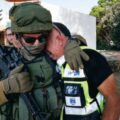
When a Jew says Shema, it is customary to close and cover one's eyes. The other time in Jewish tradition that one's eyes are specifically closed is upon death. Just as at the end of days we will come to understood how even the "bad" was actually for the "good," so too while saying the Shema we strive for that level of belief and understanding.
The Sages tell us that the patriarch Jacob, after a 22-year separation from his son Joseph, finally went down to Egypt to see him. As they reunited, Jacob was saying the Shema. The years of yearning for his long-lost son came out in an emotionally charged burst of "Shema Yisrael!"
The second verse in the Shema is: "And you shall love the Lord your God, with all your heart, with all your soul, and with all your resources" (Deut. 6:5).
What does it mean to love God with all your heart? The Talmud explains that the word "heart" is metaphorical for "desires." Even today we colloquially say, "I love chocolate," which means "I desire chocolate." When the Shema says to "love God with all your heart," it means to use not only your "good traits" like kindness and compassion to do God's will, but also to use your more challenging traits to serve Him.
Learn to relax and better appreciate the world that God created.
For example, when you go to a nice restaurant, don't go because you want to gorge. Rather have in mind that you are eating in order to keep your body healthy, to be able to serve God. Similarly, if you were buying a CD of music, you should buy it in order to help you relax and better appreciate the world that God created.
What does it mean to "love God with all your soul"?
The great Talmudic scholar, Rabbi Akiva (second century) loved God so much, that he taught Torah despite the Roman law forbidding it. When the Romans found out, they sentenced him to a painful death. They took a large iron comb and began to scrape off his flesh. As he was being tortured, Rabbi Akiva joyously recited the Shema – "Hear O Israel, the Lord our God, the Lord is One."
His bewildered students asked, "Rabbi, how can you praise God amidst such torture?"
Rabbi Akiva replied: "All my life, I strived to love God with all my soul. Now that I have the opportunity to fulfill it, I do so with joy!" With his dying breath, he sanctified God's name by crying out the words of Shema. (Talmud – Brachot 61a)
The final part of this verse says to "love God with all your resources." This is difficult to understand, because typically the Torah presents a series as a progression from easiest to hardest. Here, the order is: Love God emotionally ("heart"), and even be willing to give up your life if necessary ("soul"), and even be willing to spend your money, too!
If this is a progression, are there really people who consider money more important than life itself?!
The answer is yes. The Talmud (Brachot 54a) speaks about someone walking across a thorny field, and picks up his pants in order to avoid getting them ripped. The person's legs get all cut up and scratched – but at least the pants are saved!
In Nevada, where gambling is legal and every hotel has a casino, hotel room windows are specially designed not to open more than a crack – so people who lose money gambling won't be tempted to jump out the window. Yes, for some, money is more important than life itself.
Seth Mandel, the father of 13-year-old Koby Mandel who was bludgeoned to death in a cave by Arab terrorists, spoke at the massive pro-Israel rally in Washington DC in April 2002. He told the following story:
In the Sbarro Pizza bombing which killed 15 people in Jerusalem, five members of a Dutch family were killed. One was a 4-year-old boy named Avraham Yitzhak. As he was lying on the ground – bleeding, burning and dying – he said to his father, "Abba, please help me. Save me."
As he was lying on the ground dying, together they said the words of Shema.
His father reached over and held his hand. Together they said the words of the Shema.
Seth Mandel told the DC crowd:
"My son Koby died alone. I didn't have the chance to say the Shema with him. So now I want you to help me say the Shema for the hundreds of Jews who have been killed in Mideast violence. Say the Shema with me in the merit of the boy in Sbarro's. And say the Shema with me in the merit of my son Koby." He then led the crowd of 250,000 in reciting the Shema together.
Biblical and modern history demonstrates that Jewish unity has brought security to both the Jewish people and the world as a whole. A physical and spiritual assault was launched on humanity on 9/11. The tension in Israel continues to rise. The threat of terrorism still looms large. Who knows what is coming next? What can we do?
Now, in our turbulent times, each of us – men, women, and children – can help in a simple, yet powerful way: Every morning and evening, take a 15-second break from whatever you are doing and say the Shema.
The important thing is to understand and concentrate on the meaning of the words. If you don't understand Hebrew, you can say it in English as well. And then make it a goal to learn the pronunciation and meaning to be able to say it in Hebrew as well.
Parents can say the Shema out loud with their children. It can be very comforting to children to have a nightly ritual of saying the Shema, a prayer to the Almighty to protect them.
Saying the Shema is a simple, six-word formula to unite all peace-loving people and to bring more spiritual light into our world.









Would I be able to copy this transliteration to use to teach my student in Aish - in an out of town location?
Thank you for this information article. I really enjoyed it.