





 The Blood Libel Machine

5 min read
6 min read





Control, criticism, and complaining can quietly erode any relationship. Here are three practical shifts that build respect, appreciation, and connection.
Three habits can quietly erode a relationship: control, criticism, and complaining. The good news? With a little awareness and a few simple shifts, you can replace them with habits that build connection.
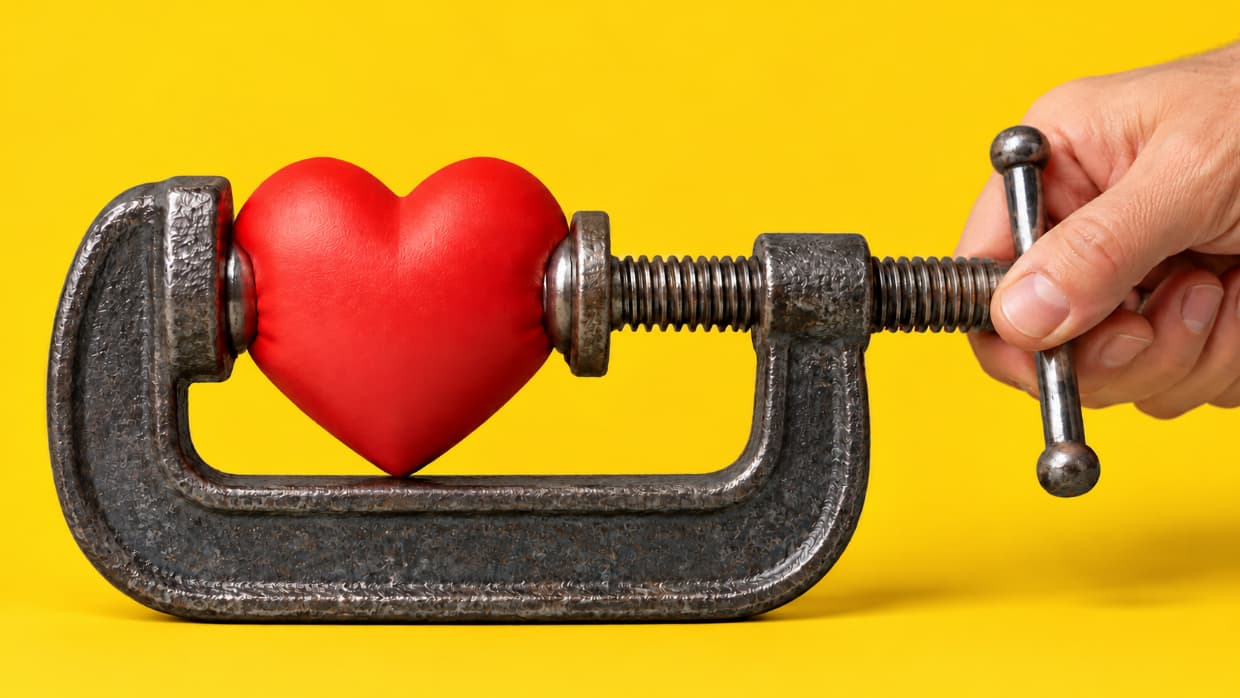
No one likes being controlled. The more control you exert, the less connection you’ll have. That’s the seesaw of control and connection.
Imagine you and your spouse are playing the trust game. You stand with your feet planted firmly on the ground, completely in control. Then you start leaning backward. As you lean farther, your toes lift off the ground. You lose your balance until, BAM! You land gloriously in your spouse’s arms.
One end of the seesaw is total control; the other is total connection. The space in between requires trust.
That’s the beautiful paradox of connection: To get close to someone, you have to be willing to give up some control.
One end of the seesaw is total control; the other is total connection. The space in between requires trust. You can’t experience full connection while insisting on controlling every detail.
If I had to sum it up in one sentence: Stay in your lane.
Don’t tell your spouse how to drive, when to declutter, or how to load the dishwasher. Biting your tongue in the moment can be hard, so try asking yourself three questions:
Is it worth what I’m going to lose?
When you criticize or control your spouse, you might get your way for a moment. But what do you lose in exchange? Intimacy, warmth, and connection. Is what you gain worth it?
Usually, the answer is no.
Where is my power?
The things that annoy us about our spouse sometimes act as a mirror, reflecting something we need to change in ourselves. We’re often quick to notice someone else’s shortcomings while staying blind to our own.
So instead of asking, “How can I get my spouse to change?” ask yourself, “Where is my power? What can I change?”
What am I afraid of?
Often, the need to control others is rooted in fear. We’re afraid things won’t get done, that something will go wrong, or that we won’t be able to handle the outcome.
Fear is usually at the core of our need for control. Once you let go of that fear, you can give your spouse the freedom to do things differently.
There’s a well-known line attributed to relationship expert Dr. Steven Snyder: “Women want to feel wanted; men want to feel welcomed.”
When we criticize, our spouse stops feeling welcomed or appreciated. Instead, they feel judged and start to withdraw: into their phone, into football, into scrolling, into anything but you.
And here’s something important: We don’t criticize only with our mouths. Body language can say it just as loudly.
Here’s the difference between control and criticism:
Your spouse walks into the room wearing a shirt you don’t like.
Control: “Why are you wearing that? That shirt should be burned!”
Criticism: You sigh, say “Ugh,” and turn away.
You didn’t even need words. Your expression said plenty!
So what’s the alternative?
Instead of criticizing, look for chances to compliment. Notice something good about your spouse and say it out loud.
Try saying:
The goal isn’t insincere flattery. It’s training yourself to notice what’s right instead of constantly focusing on what’s wrong.
One genuine compliment can do more for your connection than a dozen corrections.
Why is complaining so damaging?
It creates negative energy, breeds frustration, and can eventually make your spouse feel that nothing they do is ever good enough.
When someone hears constant complaints, they may stop trying. After all, why make an effort if it will never be appreciated?
Here’s an important distinction: Behind every complaint is a desire.
Instead of clearly saying what we want, we voice our frustration about what we don’t have.
The solution? Replace complaints with three words: “I would love…”
Imagine you’re walking outside on a hot day and say, “Ugh! I’m so hot!”
What does that tell your spouse? That you’re uncomfortable, but not what they can do about it.
Now imagine saying, “I would love to cool off!”
Suddenly, you’ve opened the door to possibilities. Your spouse might suggest a cold drink, turning on the air conditioning, or finding some shade.
Complaints shut down possibilities. Desires open them up.
There’s also a fascinating link to how our brains process language and respond to positive possibilities. When we say what we want instead of dwelling on what’s wrong, we invite a different kind of response.
Strong relationships are built by creating an environment where both people feel respected, appreciated, and free to be themselves.
Remember the three principles:
Sometimes the greatest change in a marriage doesn’t start with changing our spouse. It starts with changing ourselves.
And when we do, we make more room for the very thing we wanted all along: connection.